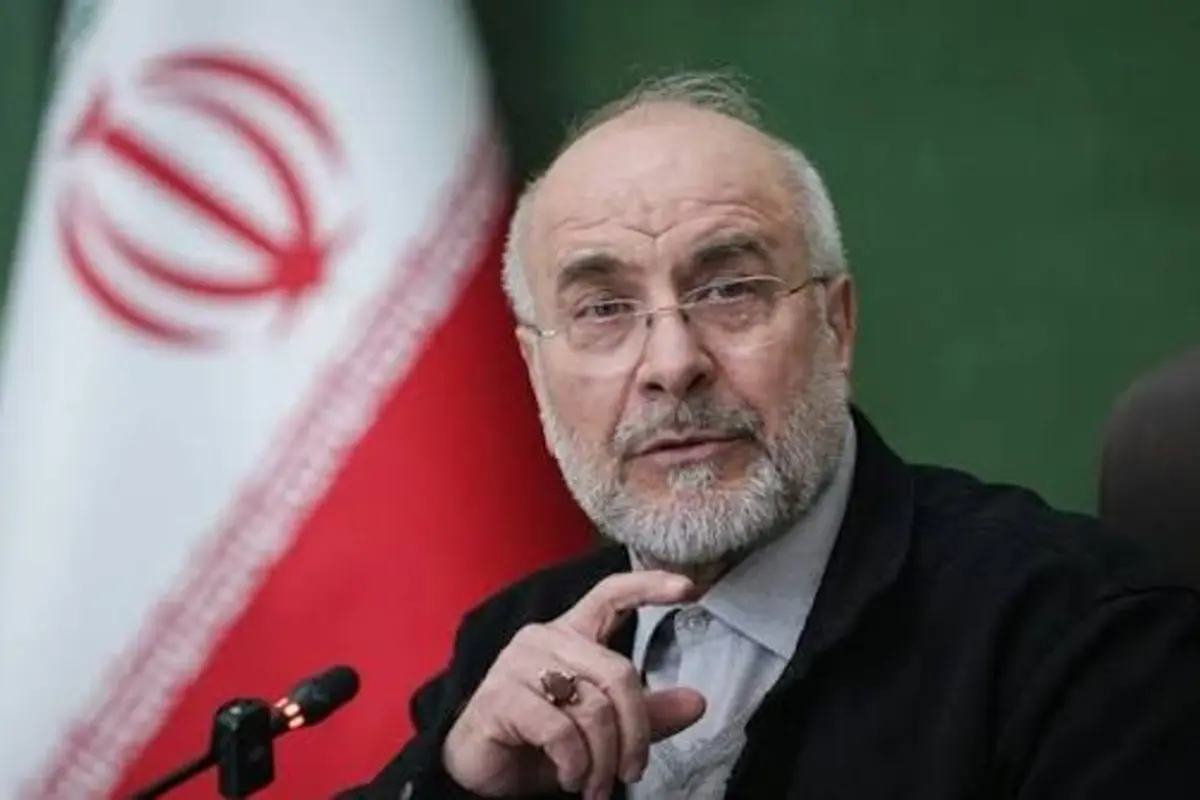
Iran says its armed forces have significantly strengthened their Iran military capabilities after gaining extensive battlefield experience during two major conflicts involving the United States and Israel over the past 15 months. Iranian Parliament Speaker Mohammad Bagher Qalibaf said the period had accelerated military development and provided lessons that would normally take years to acquire.
In video-recorded remarks published Tuesday, Qalibaf claimed that Iran had achieved military progress equivalent to roughly a decade during the period. He attributed the development to operational experience, battlefield requirements and the need to rapidly adapt to changing conditions.
Qalibaf Highlights Military Progress
According to Qalibaf, Iran’s armed forces made significant advances while dealing with equipment losses and damage caused during the conflicts.
He said Iranian forces were able to rebuild and replace damaged or lost military equipment while simultaneously improving their ability to plan and conduct operations.
The parliament speaker described improvements in both offensive and defensive capabilities. He argued that the armed forces had become more effective in carrying out their missions as a result of lessons learned during the conflicts.
The comments represent Tehran’s effort to emphasize resilience and military adaptation despite the challenges created by the fighting.
Experience Accelerates Military Development
Military organizations often learn from real-world operational experience, and Qalibaf presented Iran’s recent experience as a major factor behind the reported progress.
According to his assessment, the conflicts forced Iranian forces to identify weaknesses, adjust strategies and improve operational planning. The need to respond quickly to military pressure also encouraged the development and replacement of equipment.
Qalibaf said the experience had resulted in progress that he compared with approximately ten years of normal military development.
Such a claim is difficult to independently verify, but it reflects the Iranian leadership’s view that recent conflicts have accelerated changes within its armed forces.
The emphasis on adaptation is particularly relevant to Iran’s broader defense strategy, which relies on maintaining military capabilities despite sanctions and restrictions on access to some international markets.
Iran Rejects US Claims
Qalibaf also rejected statements from US officials, including President Donald Trump, who have claimed that military operations significantly weakened Iran’s capabilities.
The Iranian parliament speaker argued that such assessments did not accurately reflect the situation on the ground. He maintained that Iran retained the upper hand in its confrontation with Washington.
US officials have previously claimed that large numbers of Iranian missiles were destroyed during military operations. Qalibaf disputed those claims, pointing to Iran’s subsequent responses as evidence that Tehran retained significant military capacity.
According to him, Iran’s reactions became stronger despite the damage caused during the conflicts.
Missile Capabilities at the Center of Dispute
Missile forces remain an important part of the wider debate surrounding Iran military capabilities.
Tehran has developed a large missile program over several decades and considers it an essential component of its national defense strategy. The United States and its allies, however, have repeatedly raised concerns about Iran’s missile development and its potential regional implications.
Qalibaf’s comments suggest that Iran considers the continued ability to respond after attacks as evidence of the resilience of its missile forces.
The competing assessments demonstrate how difficult it can be to determine the precise condition of military capabilities during or immediately after a conflict. Governments on opposing sides often highlight different evidence to support their respective narratives.
Rebuilding After Damage
Another key point in Qalibaf’s remarks was Iran’s ability to restore equipment damaged during the conflicts.
He said the armed forces had worked to replace lost equipment while improving operational effectiveness. This suggests that Tehran views domestic production and repair capabilities as important components of its long-term defense planning.
Iran has faced international sanctions for years, limiting access to certain advanced technologies and military equipment. As a result, the country has placed significant emphasis on domestic manufacturing, maintenance and development.
The ability to restore military infrastructure after attacks could therefore remain an important element of Iran’s defense strategy.
Broader Strategic Implications
The claims about stronger Iran military capabilities come at a time of continued regional tension. The relationship between Tehran, Washington and Israel remains highly sensitive, while neighboring countries are closely monitoring developments.
For Iran, demonstrating that its armed forces can absorb damage and continue operating is also a form of strategic messaging. It can reassure domestic audiences while signaling to potential adversaries that military pressure may not produce the expected results.
At the same time, claims made by Iranian officials should be considered within the context of the country’s broader political and military messaging. Independent assessments would be required to determine the exact scale of improvements or losses.
What the Claims Mean for Iran
Qalibaf’s remarks present a clear message: Tehran believes recent conflicts have strengthened rather than fundamentally weakened its military preparedness.
Whether Iran has achieved the equivalent of a decade of military progress cannot be established solely from official statements. However, the comments highlight the importance Iranian leaders place on battlefield experience, domestic production and operational adaptation.
The debate over Iran military capabilities is likely to continue as regional tensions evolve. For Tehran, the ability to rebuild damaged equipment and maintain its military operations remains central to its security strategy.
Qalibaf’s assessment ultimately reflects Iran’s broader argument that military pressure has not eliminated its ability to defend itself or respond to attacks. Instead, Iranian officials say the conflicts have provided lessons that could shape the country’s military planning for years to come.