Iran has strongly rejected allegations connecting its dams, reservoirs and water facilities to missile bases, describing the claims as a propaganda campaign designed to justify attacks on civilian infrastructure. The controversy surrounding the Iran Water Infrastructure Attacks has raised fresh concerns about the protection of essential public services amid the ongoing conflict in the Middle East.
Iranian Foreign Ministry spokesman Esmaeil Baqaei made the remarks in a statement posted on X on Tuesday. He accused the United States and Israel of targeting several water-related facilities during their recent military actions against Iran, warning that such attacks had disrupted supplies to civilian communities.
Baqaei argued that attempts to associate civilian water infrastructure with military installations should not be used to create justifications for striking facilities that millions of people depend on for everyday life.
Iran Accuses US and Israel of Targeting Water Facilities
According to Baqaei, several dams, reservoirs and water facilities across Iran were affected by the reported attacks.
He identified reservoirs in Khomeyn, located in Markazi Province, Haftkel in Khuzestan Province and Bamani in Sirik among the sites targeted.
The Iranian spokesman also listed several desalination facilities, including installations on Qeshm Island, in Nikshahr and Tis in Sistan and Baluchestan Province, as well as a facility in Banji village in Jask.
Baqaei said the reported strikes disrupted or completely cut off water supplies to residential areas and civilian populations.
Water infrastructure plays an essential role in maintaining public health, supporting households and providing resources for agriculture and other economic activities. Damage to these facilities can therefore create serious difficulties for communities, particularly in areas where alternative water sources are limited.
Iran’s allegations have brought attention to the potential humanitarian consequences of attacks affecting essential services during armed conflicts.
Tehran Rejects Claims Linking Dams to Missile Bases
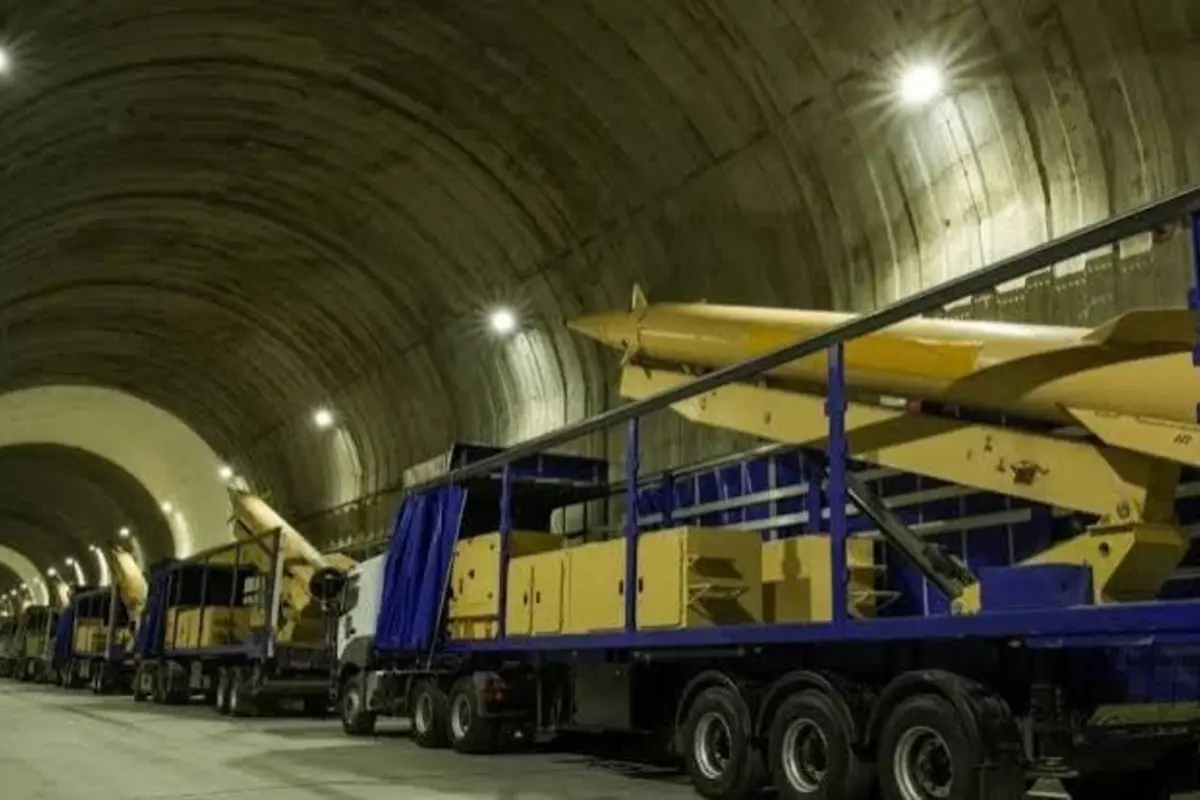
A central part of Iran’s response concerns allegations that certain dams and reservoirs are connected to missile facilities.
Baqaei rejected arguments suggesting that the geographical proximity of civilian infrastructure to military installations automatically makes those facilities legitimate military targets.
He maintained that simply identifying a civilian site as being near a military facility does not provide credible justification or sufficient evidence to attack it.
The spokesman warned against attempts to portray water infrastructure as military targets, arguing that such claims could create a pretext for attacks on facilities essential to public life.
The distinction between civilian and military infrastructure is particularly important during armed conflicts. Water supply networks, hospitals, electricity facilities and other essential services are critical to civilian survival.
Iran’s position is that these facilities should not be treated as military targets simply because of their location or proximity to other installations.
Civilian Water Supplies Face Growing Concerns
The reported damage to water facilities has raised concerns about access to clean and reliable water for affected communities.
Dams and reservoirs are important components of water management systems. They help store supplies for households, agriculture and industrial activities, while desalination plants provide freshwater in areas where natural water resources may be insufficient.
When these systems are damaged or forced to stop operating, the effects can extend beyond immediate water shortages.
Households may face difficulties obtaining drinking water, while hospitals, businesses and agricultural operations can experience additional pressure. Prolonged disruptions can also increase the risk of sanitation problems and public health challenges.
The reported incidents have therefore highlighted the importance of protecting essential civilian infrastructure during military operations.
Although Baqaei identified specific locations affected by the alleged attacks, independent verification of the full extent of the damage and the circumstances surrounding each incident remains important.
International Humanitarian Concerns
The protection of civilian infrastructure is a major concern under international humanitarian law.
Facilities providing essential services to civilian populations require particular consideration during armed conflicts. The legal assessment of any attack depends on factors such as the nature of the facility, its use, the military objective involved and the expected harm to civilians.
The mere presence of a military installation nearby does not, by itself, settle whether a separate civilian facility can lawfully be targeted.
Iran’s objections reflect these broader concerns, particularly regarding the potential consequences of attacks on water supplies and other resources necessary for civilian survival.
The allegations also underline the importance of distinguishing verified military objectives from civilian infrastructure when evaluating claims made during wartime.
Conflict Raises Fears Over Essential Infrastructure
The dispute over Iran’s water facilities comes amid wider regional instability and continuing military tensions.
As the conflict develops, attacks affecting infrastructure could create consequences extending well beyond immediate military objectives. Damage to water systems, energy networks and transportation facilities can place additional pressure on civilian populations and complicate humanitarian efforts.
The Iran Water Infrastructure Attacks controversy also highlights how essential resources can become part of the wider political and military debate during a conflict.
Baqaei has called attention to the dangers of using unverified claims to justify attacks on facilities that serve ordinary people.
Iran Calls for Protection of Civilian Facilities
Iran’s Foreign Ministry has strongly rejected the allegations linking dams and reservoirs to missile bases and accused Washington and Tel Aviv of targeting facilities vital to civilian life.
The issue has renewed attention on the need to protect water supplies and other essential services during armed conflicts.
As tensions continue, establishing the facts surrounding the reported incidents will be important for assessing their humanitarian and legal implications.
The protection of civilian populations must remain a central consideration in any military operation. Access to safe water is a basic necessity, and damage to the infrastructure that provides it can have lasting consequences for communities far beyond the immediate conflict zone.