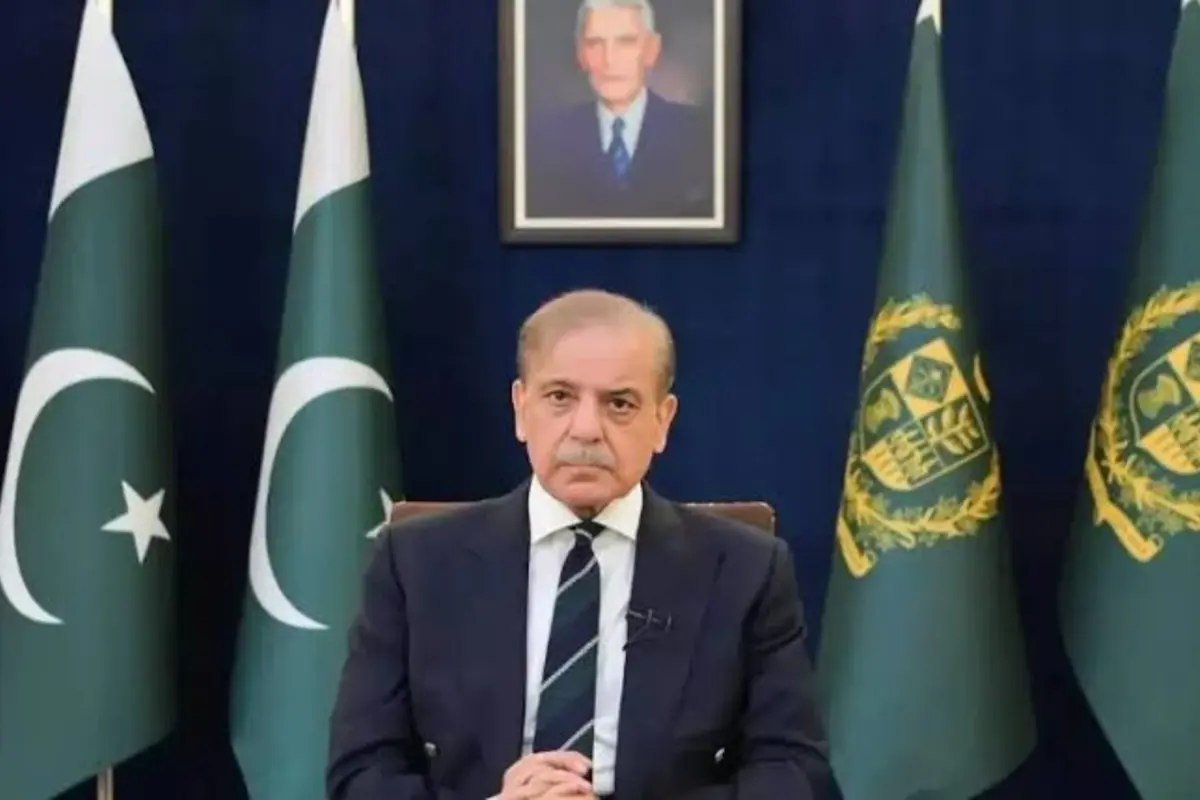
The debate over new provinces in Pakistan has gained fresh attention as Prime Minister Shehbaz Sharif holds consultations with senior party leaders and cabinet members on possible changes to the country’s administrative structure. According to sources, discussions have continued for the past three days, with the federal capital emerging as one of the main points of consideration.
Initial consultations have focused on two broad possibilities: giving Islamabad provincial status or introducing a stronger and more empowered local government system for the federal capital. Recent legislation and a relevant committee report have also been reviewed as part of the ongoing discussions.
Islamabad at the Centre of Debate
The question of new provinces in Pakistan has brought particular attention to Islamabad because of the capital’s unique administrative structure. Unlike the country’s four provinces, the federal capital is administered separately under the federal government.
According to sources, the government remains cautious about turning Islamabad into a separate province. Instead, officials are reportedly examining whether a powerful local government system could provide a more practical solution to administrative and governance challenges in the capital.
The approach would allow greater authority to be exercised at the local level without necessarily changing Islamabad’s constitutional status.
The proposal is significant because local government institutions can directly handle many issues affecting residents, including municipal services, development, infrastructure and other community-level matters. An empowered system could potentially give elected local representatives greater responsibility for managing the capital.
Local Government Bill Under Review
As part of the ongoing consultations, the federal government is also reviewing a local government bill that was approved by the National Assembly’s Standing Committee on Interior.
The legislation is being considered alongside broader discussions about how Islamabad should be governed. Rather than immediately supporting the creation of a separate province, the government appears to be examining whether changes to the existing local government structure could achieve greater administrative efficiency.
The committee’s report and recent legislation have therefore become important components of the discussions taking place among the federal leadership.
The focus on local government also reflects a wider debate about whether Pakistan’s administrative challenges should be addressed by creating additional provinces or by transferring more powers to districts and local institutions.
PML-N Yet to Set Clear Position
Despite several days of consultations, senior leadership of the Pakistan Muslim League-Nawaz (PML-N) has reportedly not reached a clear policy position on new provinces in Pakistan.
The absence of a final position suggests that the issue remains under consideration and that the government is examining different possibilities before making a formal decision.
The subject could carry significant political implications because changes to provincial boundaries or the creation of new administrative units can affect political representation, governance structures and the distribution of administrative authority.
For the PML-N-led government, reaching a consensus within the party and its coalition partners could therefore be an important step before any major proposal is formally presented.
Province or Strong Local Government?
At the heart of the current discussion is a fundamental question about how Islamabad should be governed.
Creating a new province would represent a major administrative and constitutional change. It would give Islamabad a provincial structure and potentially require the establishment of institutions associated with provincial governance.
A stronger local government model would take a different approach. Instead of creating another province, the federal capital could receive an empowered local administration with greater authority over municipal and community affairs.
The government’s reported preference for the second option indicates that officials may be looking for a way to improve governance without immediately pursuing a larger constitutional restructuring.
However, no final decision has been announced according to the information available.
Wider Debate Over Administrative Units
The discussions surrounding new provinces in Pakistan are part of a broader national conversation about administrative efficiency and political representation.
Supporters of additional provinces have argued that smaller administrative units could bring governments closer to citizens and improve service delivery. Critics, however, have raised questions about political consensus, financial costs and the potential complications of redrawing administrative boundaries.
The Islamabad debate adds another dimension because the federal capital already has a distinct administrative position.
Rather than simply expanding the number of provinces, policymakers are also considering whether stronger local institutions could provide a more effective solution.
Further Consultations Expected
For now, the federal government has not adopted a final policy on the creation of new provinces in Pakistan. Prime Minister Shehbaz Sharif and senior leaders are expected to continue consultations before reaching a conclusion.
The discussions around Islamabad could ultimately determine whether the government supports provincial status for the capital or moves toward a stronger local government framework.
With both options carrying significant administrative and political consequences, further consultations are likely before any formal decision is made. The government’s eventual position will also indicate how it views the broader question of administrative reform and the future structure of governance in Pakistan.