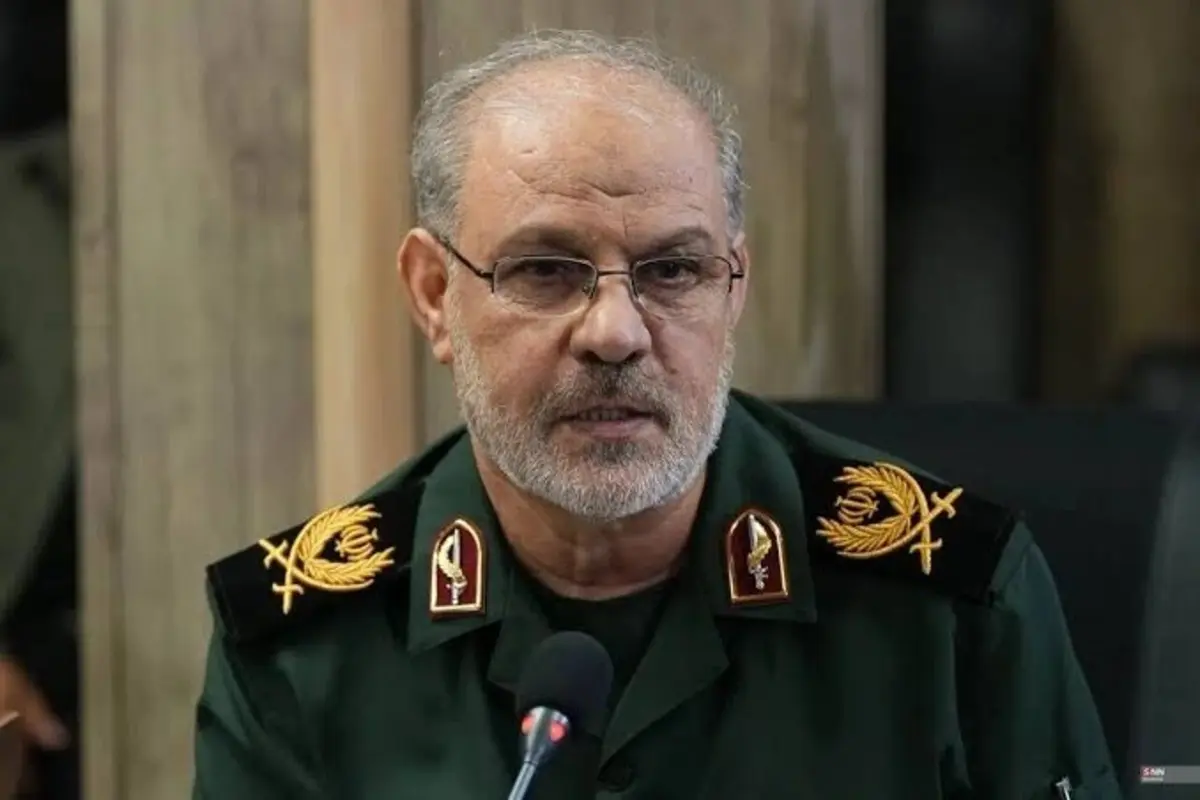
Iran has claimed that the US military presence in West Asia is becoming increasingly difficult for Washington to sustain over the long term. Islamic Revolution Guards Corps (IRGC) spokesman Brigadier General Hossein Mohebbi said American warships had moved at least 400 kilometers away from the Strait of Hormuz, which he attributed to mounting logistical, financial and morale pressures on US forces.
Speaking to reporters on Wednesday, Mohebbi argued that the United States lacks the capacity to maintain a prolonged military deployment in the region. He said the demands associated with naval operations were placing increasing pressure on American personnel, ships and support infrastructure.
Iran Claims US Warships Moved Away
According to Mohebbi, the US military presence inside the Persian Gulf has significantly changed. He claimed that before what he referred to as the Ramadan War, between 30 and 40 American warships and naval vessels were operating inside the Persian Gulf.
Mohebbi said that situation has now changed, claiming that no US warships remain in the area. He further stated that American naval vessels had moved at least 400 kilometers away from the Strait of Hormuz.
The IRGC spokesman presented the alleged movement as evidence that Washington is facing difficulties maintaining its previous regional posture. However, the claims were made by an Iranian military official and were not independently established in the information provided.
The Strait of Hormuz remains strategically important because of its location between the Persian Gulf and the Gulf of Oman. Any significant changes in military deployments around the waterway can therefore attract international attention.
Logistics Could Challenge Long-Term Deployment
Mohebbi emphasized the logistical demands involved in maintaining naval forces far from their home bases. Large-scale military deployments require fuel, food, spare parts, maintenance facilities, personnel support and regular resupply operations.
According to the IRGC spokesman, these requirements create substantial financial and operational costs for Washington. He argued that maintaining warships in the region for an extended period places pressure not only on individual vessels but also on the wider logistical network supporting them.
The comments form part of Iran’s broader argument that its military capabilities have increased the cost and risks associated with a sustained US military presence near Iranian territory.
Mohebbi particularly pointed to Iran’s asymmetric capabilities as a factor that could complicate American naval operations. Asymmetric warfare generally involves using different types of military capabilities to challenge a more powerful opponent, including missiles, drones and other systems designed to threaten high-value assets.
Iran Highlights Missile Capabilities
The IRGC spokesman also focused on Iran’s expanding missile capabilities. Mohebbi said Tehran has the ability to strike important targets at considerable distances, allowing Iranian forces to project military power beyond their immediate coastline.
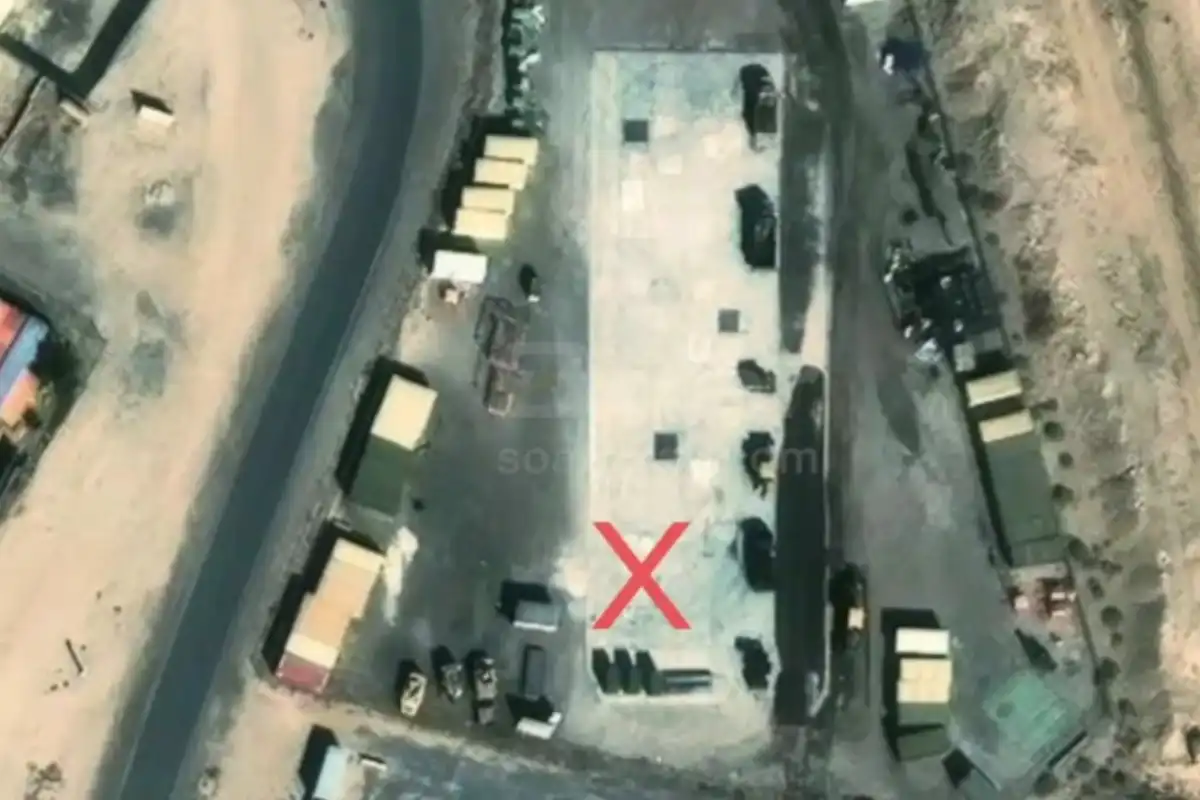
He claimed that Iranian forces had targeted an aircraft carrier approximately 500 kilometers away several days earlier. The statement was presented as an example of the reach Iran believes its missile capabilities provide.
Such claims are particularly significant in the context of naval warfare because aircraft carriers are among the most valuable and heavily protected assets operated by modern militaries. The possibility of long-range attacks against such vessels is therefore an important consideration when planning a regional deployment.
Still, the reported carrier strike remains an Iranian claim based on the information available here, rather than an independently verified event.
Pressure on US Personnel and Equipment
Mohebbi also argued that American forces were experiencing what he described as severe attrition involving both personnel and military equipment.
He suggested that prolonged operations could increase the burden on sailors, support crews and other military personnel while simultaneously placing greater demands on ships and logistical infrastructure.
For Washington, sustaining a US military presence in a strategically sensitive region requires balancing operational objectives against the resources needed to keep forces supplied and ready. Extended deployments can involve maintenance requirements, personnel rotations and significant transportation needs.
Iran’s message appears aimed at demonstrating that its deterrence strategy can impose costs even without matching the United States vessel for vessel or system for system.
Regional Military Balance
The comments from the IRGC come amid wider tensions surrounding military activity in and around the Persian Gulf. The region remains strategically important to both Iran and the United States, while the Strait of Hormuz is a particularly sensitive area for maritime security.
Mohebbi’s remarks suggest that Tehran believes American forces are increasingly constrained by the risks and costs of operating close to Iran.
At the same time, claims about the scale and location of American naval deployments should be treated cautiously unless independently confirmed. Military movements can change quickly, and public statements from opposing sides may reflect strategic messaging as well as battlefield developments.
What the Claims Could Mean
If the reported withdrawal of US warships from the Persian Gulf is confirmed, it could represent a notable change in the regional military posture. It could also influence how Iran, the United States and other regional actors assess deterrence and maritime security.
The main development is Iran’s claim that the US military presence in the region is facing growing logistical and operational pressure.
Mohebbi’s warning that Washington cannot sustain its current posture indefinitely reflects Tehran’s broader confidence in its missile and asymmetric capabilities. Whether those claims translate into a lasting change in American deployments will depend on developments in the region and independently verified information about US military movements.