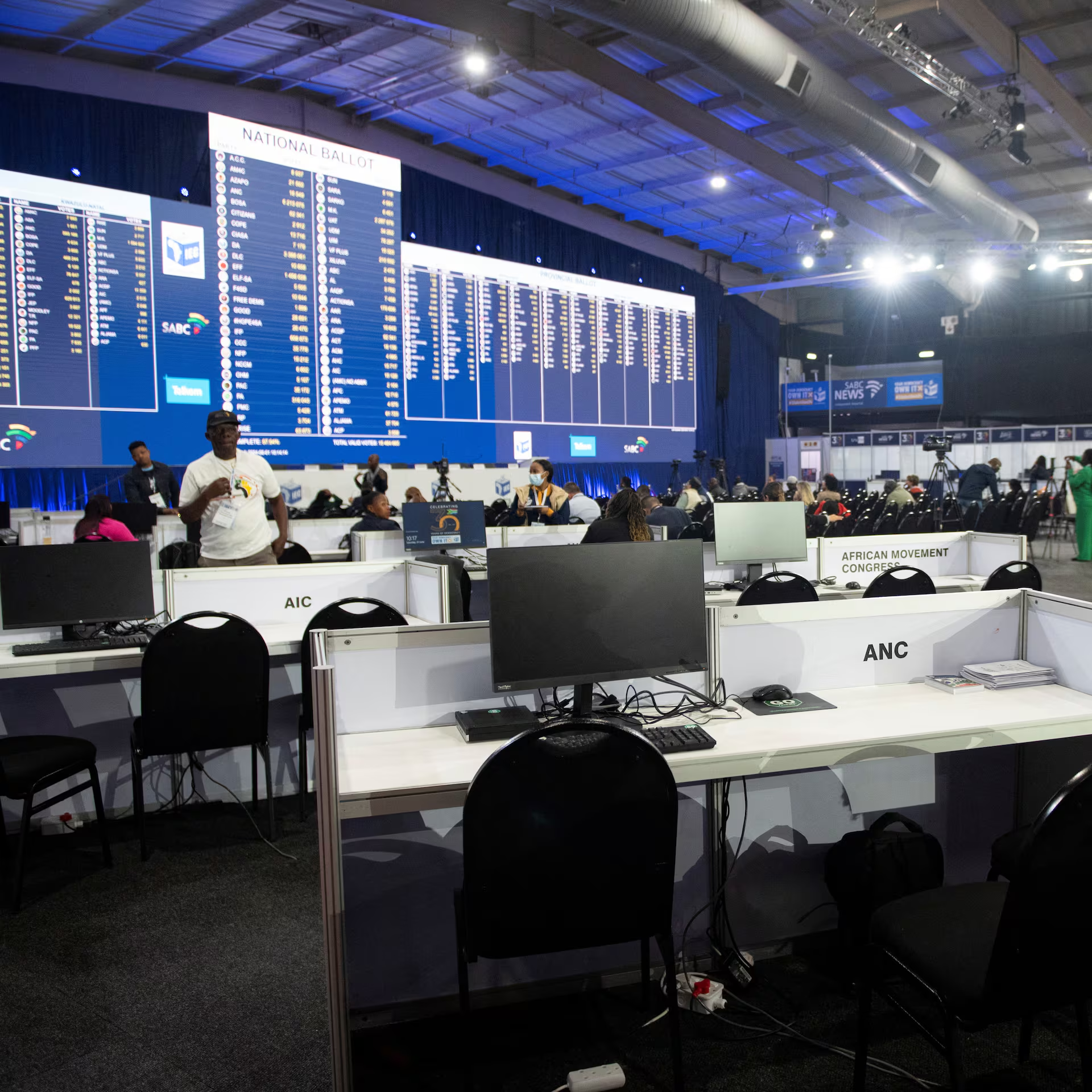

New Zealand’s 2026 election has taken place against a backdrop of growing public frustration, economic uncertainty and declining confidence in political institutions. As voters headed to polling stations on Saturday, November 7, the atmosphere reflected widespread disappointment with the country’s political and economic direction. From rising living costs to concerns about employment and future opportunities, many citizens appeared increasingly uncertain about whether a change in government could improve their circumstances.
Wellington, the country’s capital, was covered in thick fog on election day, creating a fitting backdrop for the pessimistic mood expressed by several residents. Voters described feeling exhausted, disconnected and disappointed with the political system, while some questioned whether any party could deliver meaningful improvements.
The public mood has become an important part of the discussion surrounding the New Zealand election 2026, with economic concerns emerging as a major issue for voters across the country.
Growing Public Disillusionment Across New Zealand
The dissatisfaction seen in Wellington appears to reflect a wider national trend rather than an isolated feeling within the capital.
Recent polling and studies have indicated declining confidence in the country’s future. More than half of New Zealanders reportedly no longer view their country as a land of opportunity, while a similar proportion fear that conditions could become worse in the coming years.
These findings highlight a growing gap between public expectations and people’s experiences. New Zealand has traditionally been associated with a high quality of life and opportunities for economic advancement. However, financial pressures and concerns about social mobility have increasingly challenged that perception.
Some residents expressed uncertainty about the ability of political leaders to address these problems, while others appeared disengaged from the electoral process altogether.
This loss of confidence presents a significant challenge for political parties seeking public support.
Economic Pressures Dominate Voter Concerns
Economic uncertainty has been one of the major issues influencing the New Zealand election 2026.
Rising living costs, unemployment concerns and limited employment opportunities have contributed to frustration among households. Many residents believe their financial circumstances have deteriorated, making it increasingly difficult to maintain their standard of living.
The pressure is particularly concerning for younger people entering the workforce. Limited job opportunities and uncertainty about long-term financial security have raised questions about whether the country can provide the same prospects that previous generations enjoyed.
For families, higher everyday expenses have also become a major concern. Even people with relatively stable incomes are facing difficulties managing household budgets, housing costs and other essential expenses.
These challenges have strengthened demands for practical economic policies rather than political promises that fail to produce visible improvements.
Political Confidence Faces a Serious Test
Beyond financial concerns, the election has highlighted a broader decline in confidence in political institutions.
Many voters appear dissatisfied with the progress made on major policy issues and question whether political leaders understand the difficulties facing ordinary citizens.
The public mood suggests that frustration is not necessarily limited to one political party. Instead, some residents have become disillusioned with the political system more generally.
This creates difficulties for both major political groups, as voters increasingly expect clear plans and measurable results.
The New Zealand election 2026 has therefore become more than a contest between competing parties. It also represents a test of political accountability and the ability of elected leaders to rebuild public trust.
Election Results Reveal a Closely Divided Country
The preliminary results released by New Zealand’s Electoral Commission showed a closely contested election.
The National Party received approximately 29.21% of the party vote, while the Labour Party secured around 29.36%. The Green Party, ACT New Zealand, New Zealand First and the Opportunity Party also gained parliamentary representation.
The preliminary count indicated that the governing National-led bloc had 67 seats in a 131-seat Parliament, giving it a narrow projected majority. However, approximately 399,365 special votes remained to be counted, meaning the final balance of power could change.
The Electoral Commission has scheduled the official results for November 27, 2026. Until then, the political parties face uncertainty over the final parliamentary numbers and the negotiations required to establish a government. <Cite refs={[“turn482574search0″,”turn482574news13”]} />
The close result reflects the divisions within the electorate and the significant support received by smaller political parties.
What Voters Expect From the Next Government
Regardless of which political bloc ultimately forms the next government, economic recovery and public confidence are likely to remain major priorities.
Voters want stronger employment opportunities, more affordable living conditions and policies that improve their financial security. Younger generations, in particular, need greater confidence that they can build stable careers and achieve long-term goals within the country.
The next government will also face the challenge of restoring trust in political institutions. Addressing public frustration will require more than campaign commitments; citizens will expect practical measures and visible progress.
The New Zealand election 2026 has demonstrated that economic uncertainty and declining confidence can significantly influence political outcomes.
The election has sent a clear message: many New Zealanders want meaningful change and stronger leadership. Whether the next government can meet those expectations will shape the country’s political and economic direction in the years ahead.