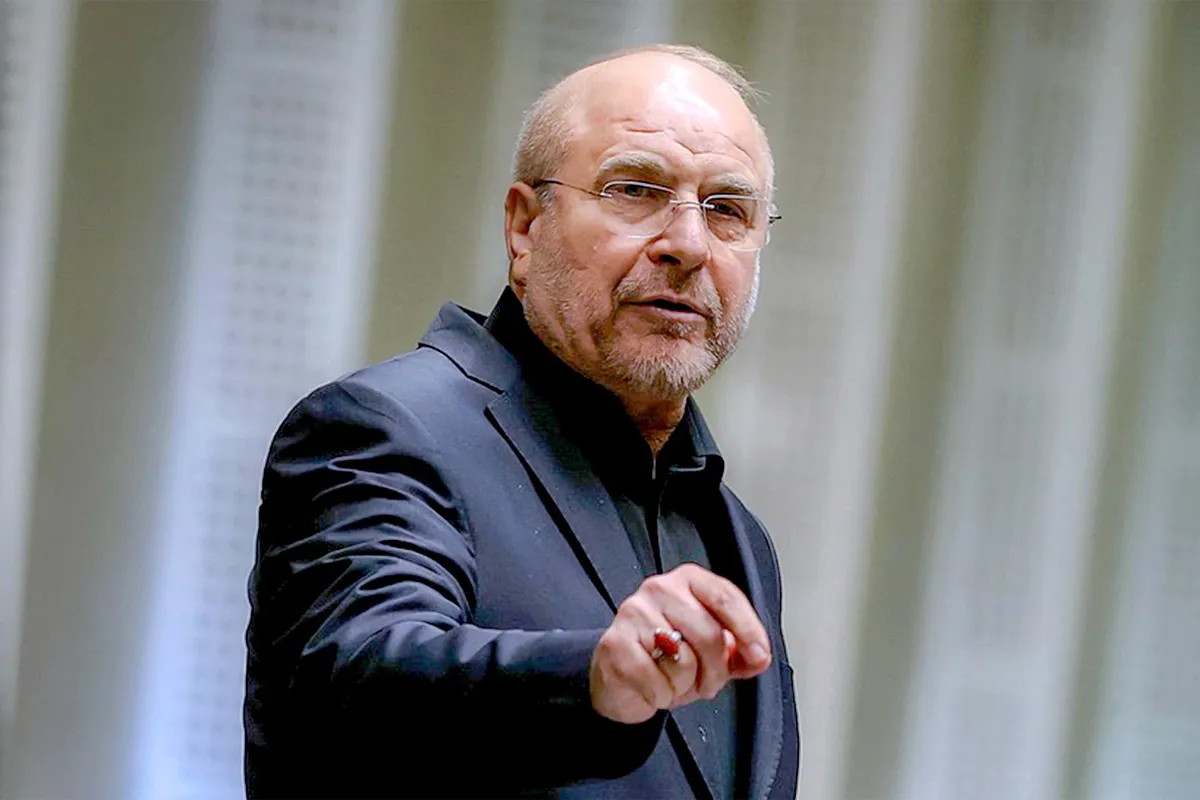
Iranian Parliament Speaker Mohammad Bagher Ghalibaf has said Tehran has received numerous messages from neighboring countries about reshaping regional security cooperation and expanding economic ties. His remarks come as tensions between Iran and the United States remain high and Washington continues to increase economic pressure on Tehran.
Calls for Greater Regional Cooperation
Ghalibaf said neighboring states have shown growing interest in developing new security arrangements and strengthening economic cooperation within the region. His comments suggest that Iran believes recent tensions have encouraged countries in the Middle East to reconsider how they approach security and economic relations.
“We’ve received numerous messages from neighboring countries about shaping new security arrangements and economic cooperation in the region,” Ghalibaf said in a post on X.
The statement comes at a sensitive time for the Gulf and wider Middle East. Several Gulf states maintain close security relationships with the United States and host American military facilities. At the same time, these countries have strong economic interests in maintaining stability and uninterrupted trade.
For Iran, increased regional security cooperation could provide an opportunity to strengthen relationships with neighboring states while reducing reliance on outside powers.
US-Iran Tensions Remain High
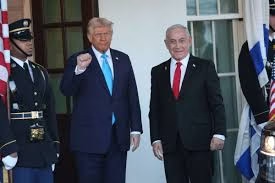
Ghalibaf’s comments follow the latest escalation in Washington’s economic pressure campaign against Tehran. US President Donald Trump has announced additional measures targeting Iran and warned countries and businesses that continue supporting economic ties with the country.
The pressure campaign has increased uncertainty for regional governments, particularly those attempting to balance relationships with both Washington and Tehran.
Iranian officials have repeatedly argued that US sanctions have failed to change Tehran’s fundamental policies. Foreign Minister Abbas Araghchi has also rejected the latest measures, maintaining that previous sanctions campaigns did not achieve their intended objectives.
The latest developments have therefore created another test for countries in the region that depend on stable economic conditions while navigating competing geopolitical interests.
Ghalibaf Criticizes US Regional Policy
Ghalibaf also criticized Washington’s approach toward its Middle Eastern allies. He argued that US policies, particularly its support for Israel, have increased security risks for countries that rely on American protection.
According to the Iranian parliament speaker, recent developments have demonstrated the risks of depending heavily on external powers for national and regional security.
He called for a “homegrown, independent order” that could provide peace and stability without excessive dependence on outside countries.
The proposal reflects Iran’s longstanding argument that regional states should take greater responsibility for their own security arrangements. Tehran has previously promoted regional dialogue and cooperation as alternatives to security systems dominated by foreign military powers.
Economic Cooperation Could Become More Important
Security is only one part of the message coming from Tehran. Ghalibaf specifically mentioned economic cooperation, suggesting that regional governments may also be looking for ways to strengthen commercial relationships despite international pressure.
The Middle East contains important energy producers, major shipping routes and rapidly expanding markets. Greater economic integration between neighboring countries could potentially improve trade, investment and infrastructure connections.
However, expanding economic relations with Iran remains complicated because US sanctions can create significant risks for foreign banks, companies and governments.
This makes the idea of regional security cooperation closely connected to economic policy. Countries seeking stronger trade relationships with Iran must also consider potential consequences from Washington.
A Changing Regional Environment
The comments from Ghalibaf indicate that Iran sees an opportunity in the current geopolitical environment. Continued tensions between Washington and Tehran, combined with wider concerns about regional security, may encourage neighboring states to explore alternative diplomatic and economic arrangements.
Whether those discussions develop into formal agreements remains uncertain. Regional governments have different political priorities, security partnerships and economic interests, meaning a single security framework could be difficult to establish.
Nevertheless, the reported messages to Tehran suggest that regional countries are actively assessing their options.
For Iran, building stronger ties with neighboring states could help reduce the impact of international isolation while creating new channels for trade and diplomacy.
The coming months will reveal whether the reported interest develops into concrete agreements. Much will depend on the evolution of US-Iran relations, the security situation across the Middle East and the willingness of regional governments to pursue independent initiatives.
Ghalibaf’s remarks nevertheless highlight a potentially important shift in the regional debate. Instead of relying entirely on external military powers, some countries may increasingly seek arrangements based on dialogue, economic interdependence and shared regional interests.
For Tehran, strengthening regional security cooperation could become a central part of its strategy for responding to US pressure. For neighboring countries, closer cooperation could offer economic opportunities, but it would also require careful diplomacy amid competing international interests.
The broader outcome could influence not only Iran’s relations with its neighbors but also the future balance of security and economic power across the Middle East.