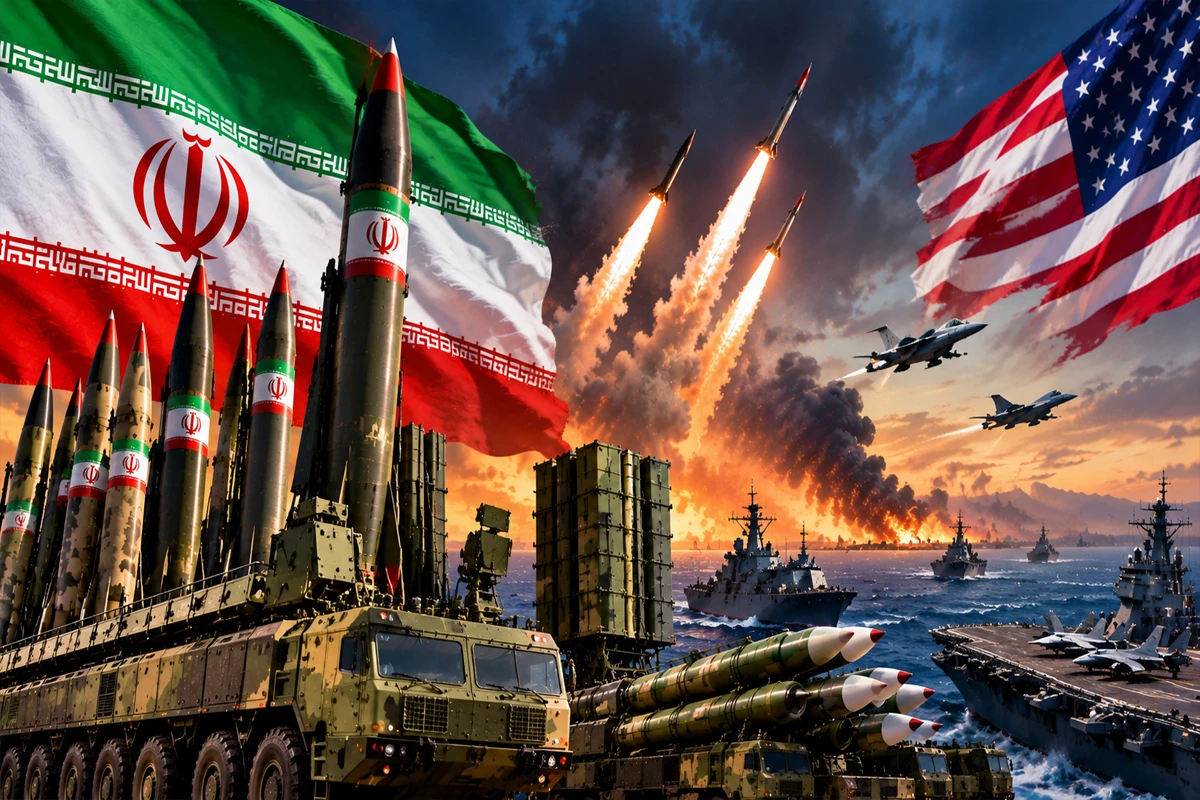
Iran has issued a strong Iran Blockade Warning to regional and international countries, cautioning that any assistance to what Tehran describes as an enemy blockade could be considered an act of war. Mohammad Mokhber, an adviser to Iran’s Supreme Leader, said countries supporting measures against Iran would face consequences regardless of their geographical location.
The warning comes amid heightened tensions surrounding possible maritime restrictions against Iran and concerns about the involvement of other countries in enforcing such measures. Mokhber’s statement also extended the potential repercussions beyond the Middle East, explicitly mentioning Europe and the United States.
His remarks signal that Tehran could view international cooperation with efforts to restrict its maritime access and commercial activities as direct hostile action.
Mohammad Mokhber Issues Warning on Social Media
Mokhber delivered the warning in a statement posted on X, formerly known as Twitter. He said countries attempting to harm Iran should expect to hear the repercussions of their actions across the region, Europe and the United States.
He also stressed that any country providing assistance to the blockade would face consequences, regardless of how far it was located from Iran.
The statement did not identify any specific countries that might become involved in supporting the restrictions. It also did not explain what form the possible consequences could take.
However, the language used by the Iranian adviser reflected Tehran’s serious concerns about international involvement in measures that could limit the country’s maritime and commercial activities.
The Iran Blockade Warning makes clear that Iranian officials are seeking to discourage other governments from participating in any operation they consider hostile to the country.
Iran Says Assistance to Blockade Could Be an Act of War
One of the most significant aspects of Mokhber’s statement was his description of assistance to the blockade as an act of war.
By using this language, the adviser indicated that Iran could interpret cooperation with such measures as more than a political disagreement or an economic restriction.
A blockade can involve efforts to restrict the movement of ships, goods and commercial vessels entering or leaving a country’s ports. Depending on how it is implemented, such restrictions can affect trade, maritime transportation and access to essential supplies.
For Iran, any attempt to restrict its maritime movement could carry major economic and strategic implications.
Mokhber said Iran would remember countries that assisted the blockade, suggesting that Tehran could respond to their involvement even if they were not directly located near Iranian territory.
His warning appeared intended to discourage governments from assuming that geographical distance would protect them from potential repercussions.
Warning Extends Beyond the Middle East
The statement was notable because it did not limit its warning to countries neighbouring Iran or those located in the wider Middle East.
Mokhber specifically referred to Europe and the United States when discussing the possible consequences of actions against Iran.
This broader reference suggests that Tehran wants international governments to consider the potential risks of becoming involved in maritime restrictions against the country.
European countries could face difficult diplomatic considerations if they are asked to support measures affecting Iran’s maritime activities. Similarly, any involvement by the United States could further complicate already sensitive relations between Washington and Tehran.
However, Mokhber did not name any European or American government as a participant in the proposed blockade. His statement also provided no specific details about possible Iranian responses.
The Iran Blockade Warning therefore represents a broad political and security message rather than an announcement of a specific retaliatory operation.
Growing Concerns Over Maritime Security
The remarks come at a time of heightened tensions over restrictions against Iran and the possibility of regional countries becoming involved in enforcing a naval blockade.
Maritime access is an important issue for Iran because shipping routes are essential for its international trade and commercial movement. Any restrictions affecting these routes could create additional pressure on the country’s economy and its ability to conduct international business.
The involvement of other countries could also increase the diplomatic complexity of the situation. Governments considering support for maritime restrictions would need to assess the possible political, economic and security consequences.
For countries in the region, the situation carries particular importance because tensions involving Iran can affect wider regional stability.
Mokhber’s remarks suggest that Tehran wants to establish a clear position before other governments decide whether to provide assistance to any blockade-related measures.
What the Warning Could Mean for Regional Relations
The latest statement adds another layer of uncertainty to the situation surrounding Iran and its international relations.
By describing assistance to a blockade as an act of war, Tehran has indicated that it may treat participation in such measures as a serious security issue.
The warning could make governments more cautious about becoming directly involved in maritime restrictions, particularly if they believe their participation could expose them to political or security consequences.
At the same time, the absence of specific threats, named countries or details about potential responses leaves uncertainty over how Iran might act if another government supports the measures.
The Iran Blockade Warning also highlights the wider risks associated with escalating tensions over maritime access. Any confrontation involving shipping restrictions could have implications beyond Iran and affect regional diplomacy and international trade.
Mokhber’s statement serves as a clear warning to countries considering support for actions against Tehran. Whether it leads to changes in international policy or further diplomatic tensions will depend on developments surrounding the proposed maritime restrictions and the responses of other governments.