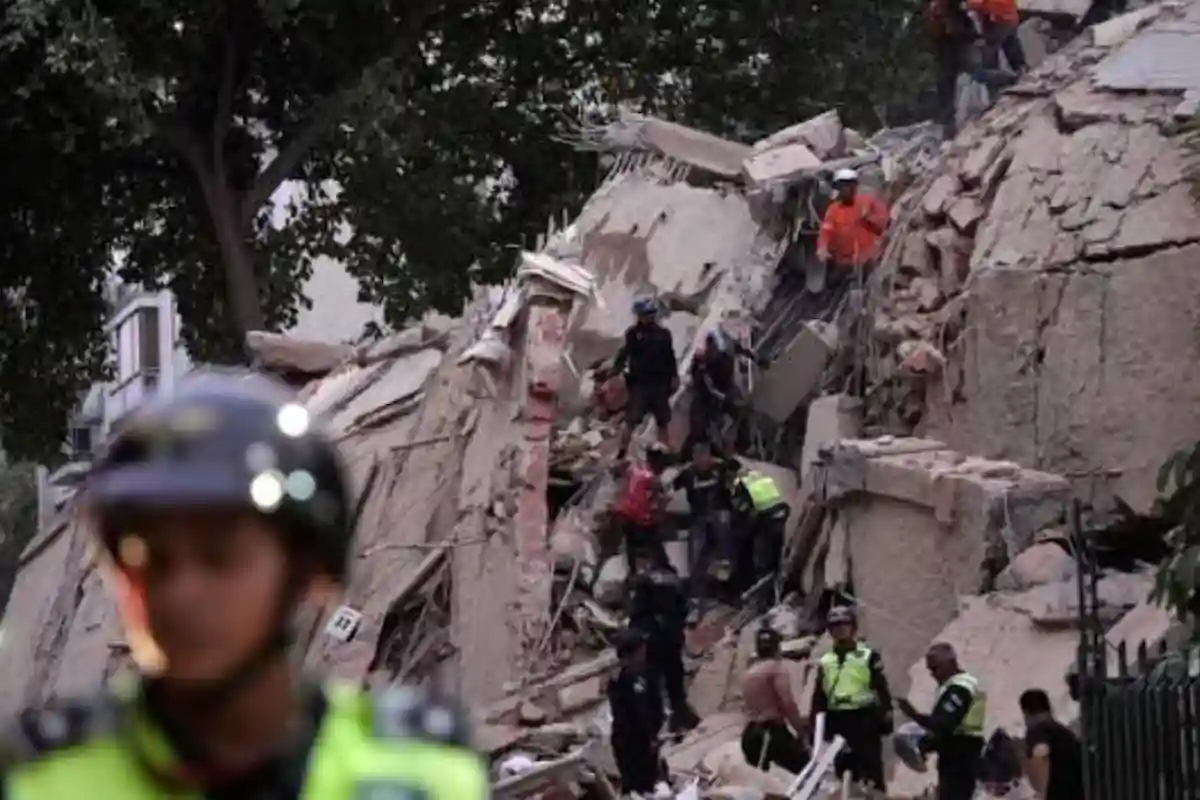
The devastating Venezuela Earthquake that struck the country on Wednesday has left a trail of destruction across Caracas and several surrounding regions. Two powerful earthquakes occurred within seconds of each other, causing widespread panic, collapsing buildings, and triggering one of the worst natural disasters Venezuela has experienced in recent years. Authorities have confirmed dozens of deaths and hundreds of injuries, while rescue teams continue searching for survivors trapped beneath the rubble.
According to seismic monitoring agencies, the first earthquake measured 7.2 in magnitude and was followed almost immediately by a stronger 7.5-magnitude tremor. The powerful shocks were felt across a large portion of the country, causing severe damage to infrastructure, homes, public buildings, and transportation networks.
A Nation Shaken by Disaster
The Venezuela Earthquake struck approximately 160 kilometers west of Caracas, but its effects extended far beyond the epicenter. Residents across the capital reported intense shaking that lasted long enough to cause widespread fear and confusion.
Emergency services were quickly deployed as reports of collapsed buildings began to emerge. Entire neighborhoods experienced significant structural damage, forcing thousands of residents to evacuate their homes and seek shelter in open spaces.
Government officials described the disaster as a national tragedy. Rescue teams worked throughout the night, attempting to locate survivors while assessing the extent of the destruction.
Casualties Expected to Rise
Initial reports confirmed at least 32 fatalities and more than 700 injuries. However, authorities warned that these figures are likely to increase as rescue operations continue.
The impact of the Venezuela Earthquake has been particularly severe in areas where buildings were unable to withstand the intense seismic activity. Several residential and commercial structures collapsed, trapping occupants beneath debris.
Officials acknowledged that some of the hardest-hit regions have not yet completed damage assessments, meaning the full scale of the disaster remains uncertain.
Emergency workers continue to search through damaged buildings while medical teams provide treatment to the injured.
Eyewitnesses Describe Scenes of Chaos
Residents who experienced the earthquake firsthand described terrifying moments as buildings shook violently around them.
Many reported hearing loud crashing sounds before structures began collapsing. Families rushed down staircases, while others sought safety in streets and public spaces.
Witnesses compared the aftermath of the Venezuela Earthquake to scenes from disaster movies, with debris scattered across roads and emergency vehicles rushing through affected neighborhoods.
For many residents, the disaster was unlike anything they had experienced before. Elderly citizens compared the event to some of Venezuela’s most destructive earthquakes in history.
The emotional impact of the tragedy is expected to remain long after the physical damage has been repaired.
Infrastructure and Transportation Disruptions
The Venezuela Earthquake also disrupted critical infrastructure throughout the country. Authorities temporarily closed major transportation facilities, including the country’s largest airport, due to concerns about structural safety.
Schools in several regions suspended operations while engineers conducted inspections of educational facilities and public buildings.
Road networks suffered damage in multiple locations, complicating rescue and relief efforts. Utility services, including electricity and communications, experienced interruptions in some affected areas.
Although initial assessments indicated that major oil infrastructure remained largely intact, officials continue monitoring strategic facilities for any signs of damage.
International Support Begins Arriving
As the scale of the disaster became clear, countries around the world began offering assistance. International rescue teams, humanitarian organizations, and emergency specialists have pledged support to help Venezuela respond to the crisis.
The government welcomed offers of aid and initiated coordination efforts with international partners. Relief supplies, medical assistance, and specialized rescue equipment are expected to play a critical role in ongoing recovery operations.
The humanitarian response to the Venezuela Earthquake will likely continue for weeks as communities work to rebuild and support affected families.
Why Venezuela Faces Earthquake Risks
Venezuela is located in a seismically active region where the Caribbean Plate interacts with the South American Plate. This geological setting makes the country vulnerable to earthquakes of varying intensity.
Throughout history, Venezuela has experienced several major seismic events. One of the most devastating occurred in 1812, causing widespread destruction and significant loss of life.
Experts note that the recent Venezuela Earthquake serves as a reminder of the ongoing risks associated with living in tectonically active areas. Proper infrastructure planning, emergency preparedness, and public awareness remain essential for reducing future losses.
Challenges Ahead for Recovery
The recovery process following the Venezuela Earthquake is expected to be lengthy and complex. Authorities must address immediate humanitarian needs while also planning long-term reconstruction efforts.
Thousands of residents may require temporary housing, medical support, and financial assistance. Damaged infrastructure will need extensive repairs, and local businesses may face significant economic challenges.
Government agencies, humanitarian organizations, and international partners will need to work together to restore affected communities and help families rebuild their lives.
The recent Venezuela Earthquake has created a humanitarian emergency that has captured global attention. With lives lost, hundreds injured, and widespread destruction reported across Caracas and surrounding regions, the disaster represents one of the country’s most serious challenges in recent years.
As rescue operations continue and international assistance arrives, the focus remains on saving lives, supporting affected families, and rebuilding damaged communities. While recovery will take time, the resilience of the Venezuelan people and the support of the international community will be crucial in overcoming this tragedy.