The Punjab government has formed new healthcare technical working groups to review the use, consumption and availability of essential medicines in public-sector hospitals. The initiative focuses initially on General Medicine and Surgery and Cardiology, with experts from leading medical institutions tasked with preparing recommendations for teaching and tertiary care hospitals across the province.
New Groups for Medicine Review
The Specialized Healthcare and Medical Education Department has established two separate technical working groups as part of the initiative.
The Vice Chancellor of King Edward Medical University has been appointed convener of the General Medicine and Surgery Technical Working Group. The group includes Professor Tayyaba Waseem, Professor Tapu Sultan, Professor Zahra Nazish, Professor Shahzad Anwar, Professor Muhammad Hanif, Professor Sheikh Atiqur Rehman, Professor Taimur Latif Malik, Professor Muhammad Ilyas and Professor Zahida Rani.
A separate Cardiology Technical Working Group will be headed by Dr. Farqad Alamgir as convener. Its members include Professor Syed Imranul Hassan, Professor Muhammad Hamid Saeed, Professor Musafra Siddiqa, Professor Abdul Sattar, Professor Muhammad Mujtaba Ali Siddiqui, Professor Iftikhar Paras and Professor Muhammad Akhtar.
The formation of these groups brings experienced medical professionals together to examine medicine requirements from a clinical and practical perspective.
Focus on Essential OPD Medicines
A major responsibility of the healthcare technical working groups will be reviewing the current use and consumption of medicines in hospital outpatient departments, commonly known as OPDs.
Based on their assessment, the groups will prepare a list of essential OPD medicines required at teaching and tertiary care hospitals throughout Punjab.
The objective is to establish a more coordinated approach to medicine procurement and availability. Rather than relying solely on existing purchasing patterns, the proposed lists will consider the actual needs of patients and hospitals.
Essential medicine lists can also help health authorities prioritize medicines that are frequently required for common and serious medical conditions.
Disease Burden and Treatment Practices
The working groups will consider several factors while preparing their recommendations. These include the burden of diseases, prevailing medical practices, availability of medicines and their cost.
This approach could help the health department develop medicine requirements that are more closely aligned with conditions being treated in Punjab’s public hospitals.
Cost will also be an important consideration. Public hospitals serve large numbers of patients, meaning medicine procurement decisions can have significant financial implications. At the same time, reducing costs cannot come at the expense of access to medicines that doctors consider necessary.
The healthcare technical working groups will therefore be expected to balance clinical requirements with affordability and availability.
Improving Availability Across Hospitals
Another key objective is to ensure that essential medicines remain available at relevant hospitals.
Medicine shortages can create difficulties for both healthcare professionals and patients. When commonly required medicines are unavailable, patients may have to purchase them privately or seek alternatives, potentially increasing their financial burden.
By developing a standardized list based on expert recommendations, the Punjab government hopes to create a clearer framework for ensuring the availability of essential medicines.
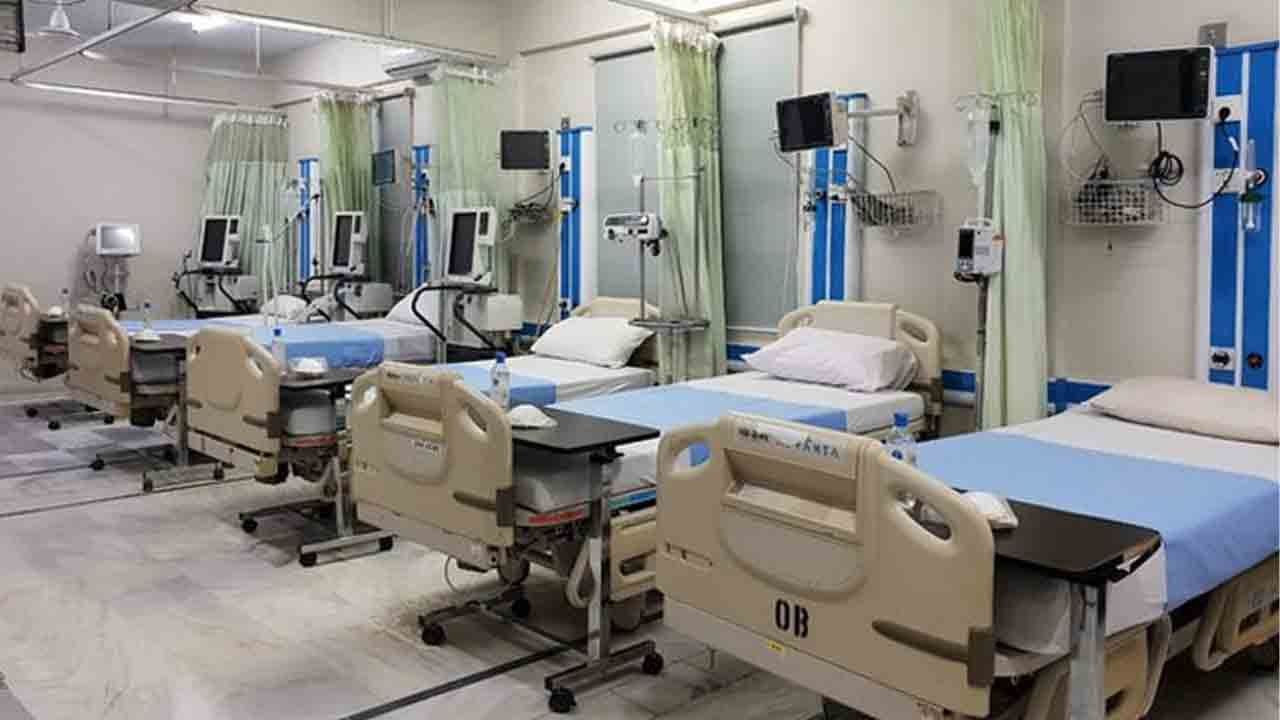
The initiative covers teaching and tertiary care hospitals, which handle a wide range of complicated and specialized cases in addition to routine outpatient treatment.
Recommendations to Be Submitted Within Two Weeks
The groups have been directed to prepare detailed recommendations along with justifications for the final medicine lists.
The conveners will submit the recommendations to the Special Secretary Operations within two weeks. The timeline indicates that the health department intends to move quickly from expert consultation toward practical policy decisions.
The recommendations are expected to provide the government with a professional basis for deciding which medicines should receive priority in hospital OPDs.
The role of the healthcare technical working groups will therefore extend beyond simply identifying medicines. Their assessment could also influence future procurement, distribution and availability policies within Punjab’s public healthcare system.
A Step Toward Better Medicine Management
The Punjab government’s decision reflects an effort to make medicine management more organized and evidence-based.
Public hospitals require reliable supplies of medicines to provide effective treatment, particularly in busy OPDs where large numbers of patients are treated every day. A carefully prepared essential medicine list can help health authorities understand demand and plan procurement more efficiently.
The inclusion of senior doctors and medical professors in the process is intended to ensure that clinical considerations remain central to the recommendations.
If implemented effectively, the work of the healthcare technical working groups could contribute to more consistent medicine availability across hospitals while helping the government manage healthcare resources responsibly.
The immediate task is for the newly established groups to complete their reviews and submit their recommendations within the specified two-week period. Their findings could become an important foundation for improving the availability and effective use of essential medicines across Punjab’s public healthcare system.