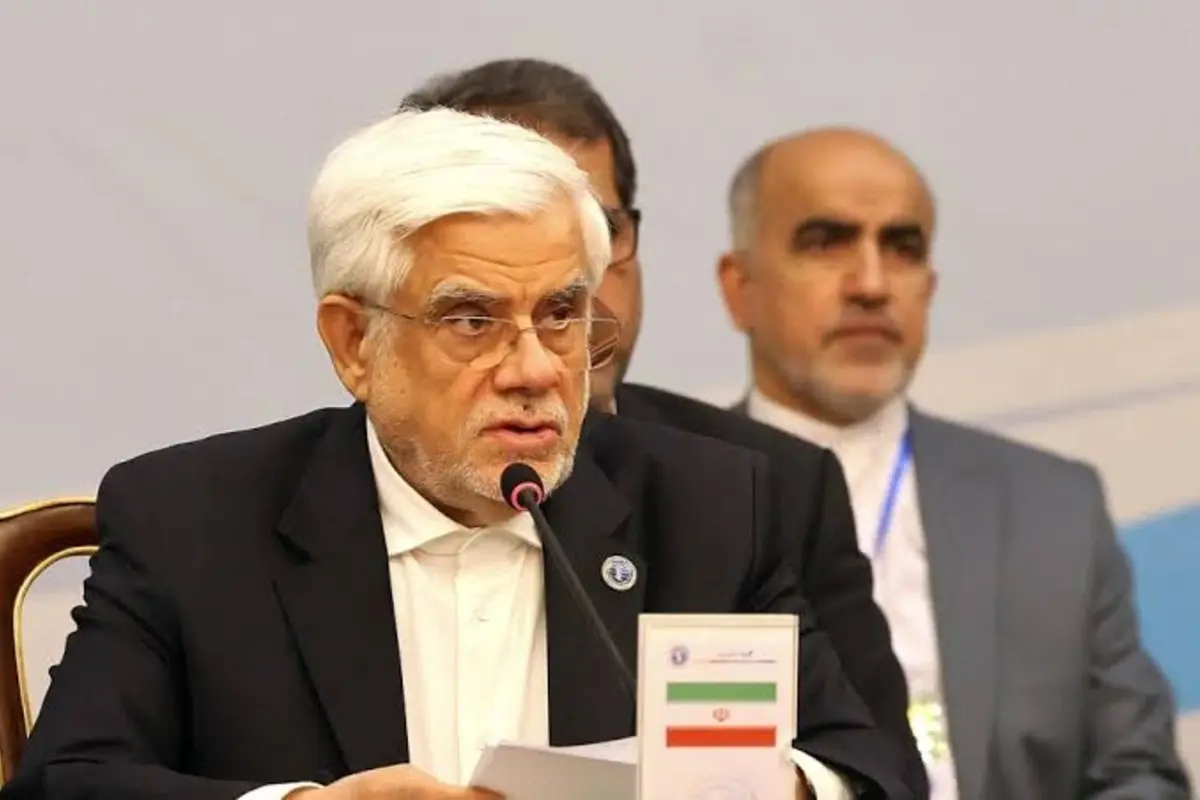
Ayatollah Khamenei Funeral in Iraq became a major event as millions of mourners gathered in the holy cities of Najaf and Karbala to pay tribute to the late Iranian leader. The large-scale ceremonies drew religious scholars, community leaders, government representatives, and pilgrims, reflecting the significance of the occasion for many participants. Iranian First Vice President Mohammad Reza Aref described the events as a powerful symbol of the longstanding relationship between Iran and Iraq, emphasizing the shared religious, cultural, and historical bonds between the neighboring countries.
The funeral ceremonies attracted widespread attention across the region and underscored the close connections that have developed between the two nations over decades.
Iran Appreciates Iraq’s Hospitality
Speaking after the commemorative events, Mohammad Reza Aref thanked Iraqi authorities and the people of Iraq for organizing the funeral ceremonies.
He praised the hospitality shown by Iraqi religious leaders, scholars, tribal representatives, public organizations, and government officials who helped facilitate the gatherings.
According to Aref, the Ayatollah Khamenei Funeral in Iraq demonstrated the respect many Iraqis expressed toward the late Iranian leader while also highlighting the strength of bilateral relations.
His remarks reflected Iran’s appreciation for the efforts made to host millions of visitors during the ceremonies.
Millions Gathered in Najaf and Karbala
The funeral events witnessed an enormous turnout in the holy cities of Najaf and Karbala.
The official procession began in Najaf following prayers held at the shrine of Imam Ali (AS), one of the holiest sites in Shia Islam. Large crowds then accompanied the procession through key streets and religious landmarks before additional ceremonies continued in Karbala.
Participants included religious scholars, political figures, pilgrims, and members of the public who traveled from different regions to pay their respects.
The scale of attendance made the Ayatollah Khamenei Funeral in Iraq one of the most closely watched religious gatherings in recent months.
Symbol of Shared Religious Heritage
Iranian officials emphasized that the ceremonies represented more than a funeral procession.
According to Aref, the gatherings reflected the deep religious heritage shared by Iran and Iraq, particularly through the importance of Najaf and Karbala within Shia Islamic history.
Both cities have long served as major centers of religious scholarship, pilgrimage, and spiritual learning for Muslims from around the world.
The participation of large numbers of mourners reinforced the cultural connections that continue to unite communities across both countries.
Strengthening Iran-Iraq Relations
The funeral ceremonies also highlighted the diplomatic relationship between Tehran and Baghdad.
Over recent years, Iran and Iraq have expanded cooperation in various areas, including trade, religious tourism, border management, and regional dialogue.
Officials from both countries have frequently described their relationship as one built upon common history, shared religious traditions, and mutual interests.
According to Iranian representatives, the Ayatollah Khamenei Funeral in Iraq further strengthened these ties by bringing together religious institutions, government officials, and ordinary citizens.
Role of Iraqi Religious Authorities
Aref specifically acknowledged the role played by Iraq’s senior religious authorities during the commemorative events.
He thanked scholars, seminaries, tribal leaders, and community organizations for supporting the arrangements and welcoming visitors arriving from different regions.
Their participation contributed to the peaceful organization of ceremonies attended by exceptionally large crowds.
Religious institutions in Najaf and Karbala have historically played an important role in promoting dialogue and preserving Islamic scholarship, making their involvement especially significant.
Security and Organization
Managing millions of participants required extensive planning by Iraqi authorities.
Security personnel coordinated crowd management, transportation, emergency services, and logistical support throughout the events to ensure the safety of pilgrims and visitors.
Government agencies also worked alongside religious organizations to accommodate participants arriving from various provinces and neighboring countries.
The successful organization of the Ayatollah Khamenei Funeral in Iraq demonstrated Iraq’s ability to host major religious gatherings involving millions of attendees.
Regional Importance of the Ceremonies
Observers noted that the funeral attracted attention beyond Iran and Iraq.
Regional leaders, scholars, and political organizations closely followed the events, viewing them as an important moment in Middle Eastern political and religious affairs.
For many participants, the ceremonies represented an opportunity to honor Ayatollah Khamenei’s leadership while expressing solidarity with Iran during a significant period in its modern history.
Others viewed the gatherings primarily as major religious commemorations reflecting the importance of shared traditions between neighboring nations.
Continuing Historical Connections
Iran and Iraq have maintained centuries-old cultural and religious links centered around the holy cities of Najaf and Karbala.
Millions of Iranian pilgrims visit these sites annually, particularly during major Islamic occasions such as Arbaeen.
Likewise, Iraqi scholars and students have long maintained educational and religious connections with institutions across Iran.
Supporters believe the Ayatollah Khamenei Funeral in Iraq reinforced these historical relationships by bringing together people from diverse backgrounds through a shared moment of remembrance.
The Ayatollah Khamenei Funeral in Iraq became a significant event that highlighted the close religious, cultural, and diplomatic ties between Iran and Iraq. With millions gathering in Najaf and Karbala, the ceremonies reflected both the importance of the late Iranian leader to his supporters and the enduring relationship between the two neighboring countries.
Iranian First Vice President Mohammad Reza Aref’s appreciation for Iraq’s hospitality underscored the positive cooperation between the two governments and religious communities. As the region continues to observe the legacy of Ayatollah Seyyed Ali Khamenei, these large-scale commemorative events will remain an important chapter in the history of Iran-Iraq relations and their shared religious heritage.