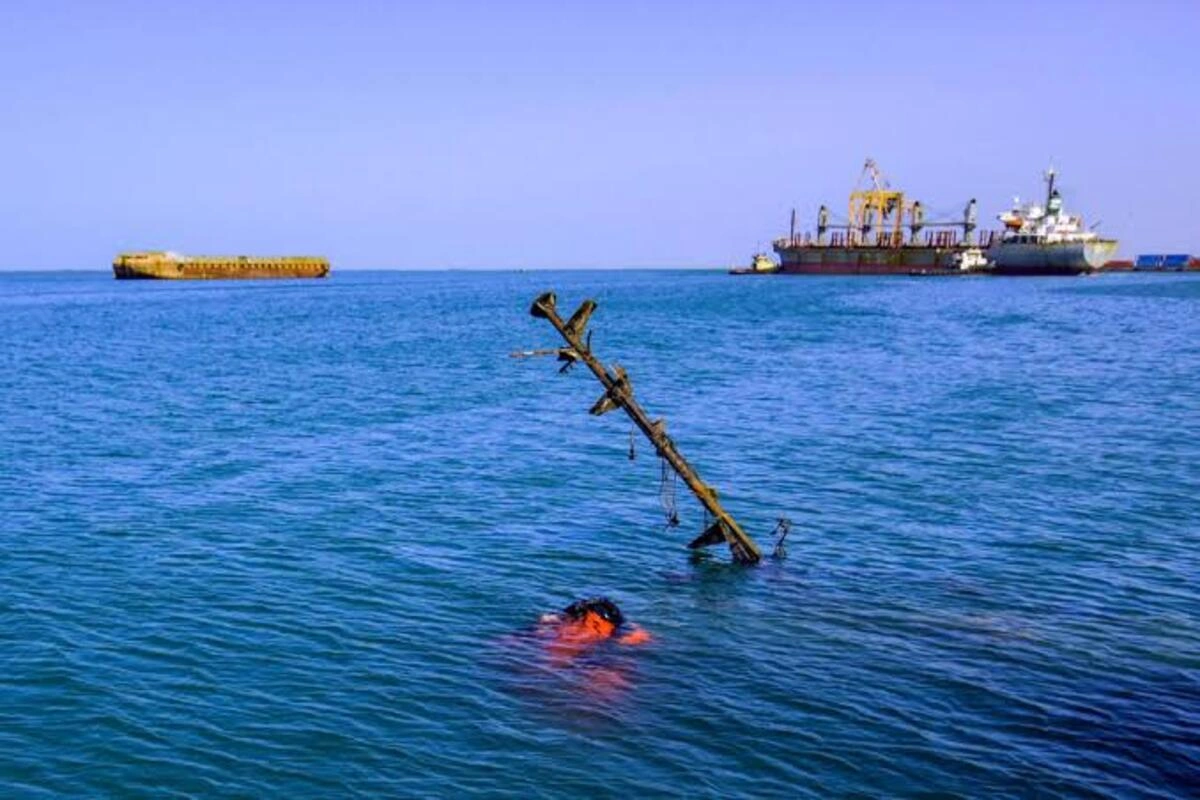
A Yemen missile strike against Saudi military vessels in the Red Sea has intensified tensions surrounding the conflict, with Yemeni forces claiming responsibility for an attack near the coast of Port of Mokha. The operation was described by Yemen’s armed forces as retaliation for Saudi Arabia’s military campaign and blockade.
Saudi Vessels Targeted
Yemeni armed forces spokesman Brigadier General Yahya Saree said on Monday that Yemeni forces launched the operation using several ballistic missiles.
According to Saree, the attack took place off the coast of Port of Mokha and targeted a Saudi landing ship accompanied by several escort boats.
He claimed that the Saudi landing ship was directly hit and completely destroyed. Saree also said several other vessels were sunk, while the remaining boats caught fire following the attack.
The claims could not be independently verified, but the reported operation represents a significant escalation in the ongoing confrontation involving Yemen and Saudi Arabia.
The Yemen missile strike was presented by the Yemeni side as part of a broader strategy aimed at responding to Saudi military deployments and preventing further pressure on areas under the control of Yemeni forces.
Warning Over Saudi Military Movements
Saree said Yemeni forces were closely monitoring Saudi military activities both on land and at sea.
He warned that military buildups and deployments would remain potential targets.
The spokesman described the strategy as a “siege for siege” policy, suggesting that Yemeni forces would respond to military or economic pressure with attacks against what they consider Saudi military targets.
Such statements underline the continuing importance of the Red Sea and surrounding coastal areas in the wider conflict.
The waterway is one of the world’s major maritime routes, connecting the Mediterranean region and the Indian Ocean through the Suez Canal and Gulf of Aden. Any escalation involving military vessels in the area could therefore raise concerns about maritime security and commercial shipping.
Strike on Arms Depot
The reported operation was not limited to the Red Sea.
Yemeni forces also claimed to have targeted an arms depot belonging to Saudi-backed forces at the Sahn al-Jin military camp in southwestern Ma’rib province.
Saree said the facility was struck accurately and that the attack caused a large fire.
The reported attack demonstrates the two-sided nature of the current military confrontation, with operations taking place both along Yemen’s coastline and inside the country.
According to the Yemeni spokesman, his forces would continue monitoring military movements and responding to activities linked to Saudi-backed forces.
Wider Conflict Remains Unresolved
The Yemen missile strike comes against the backdrop of a conflict that has continued to create significant political, humanitarian and security challenges.
Saudi Arabia has played a major role in Yemen’s conflict, while various Yemeni factions have received support from different regional actors.
For years, military operations, airstrikes, missile attacks and economic restrictions have contributed to instability in the country.
Although diplomatic initiatives have periodically raised hopes for de-escalation, military developments continue to threaten those efforts.
The latest reports involving Saudi vessels could further complicate attempts to maintain calm along Yemen’s coastline and in the wider Red Sea region.
Red Sea Security Concerns
The Red Sea has become increasingly important in discussions about global maritime security.
Commercial vessels travelling through the region face potential risks from military confrontations, missile attacks and other security threats.
A sustained escalation could increase shipping costs and insurance premiums while forcing some companies to consider alternative routes.
For regional countries, maintaining freedom of navigation is also a major concern because the Red Sea provides an important link between Europe, Asia and the Middle East.
The reported Yemen missile strike therefore has implications beyond the immediate military confrontation. Any disruption involving naval vessels or commercial routes could potentially affect international trade.
Claims Require Independent Verification
Details of the reported operation have so far come primarily from Yemen’s armed forces spokesman.
Claims regarding the destruction or sinking of military vessels require independent confirmation, particularly during an active conflict where both sides may present different accounts of battlefield events.
Nevertheless, the announcement itself demonstrates the level of tension surrounding the Red Sea and Yemen’s coastal areas.
The use of ballistic missiles against naval targets, if confirmed, would represent a serious development because it highlights the risks faced by military and commercial vessels operating near conflict zones.
The latest Yemen missile strike could increase pressure on Saudi Arabia and its allies while raising concerns about further military escalation.
Yemeni forces have warned that Saudi military movements will continue to be monitored and potentially targeted, while Saudi Arabia and its partners are likely to assess the security implications of the reported attack.
For the region, the key challenge will be preventing further escalation while maintaining the safety of maritime routes.
Until diplomatic efforts produce a durable settlement, military incidents such as this one are likely to remain a significant threat to stability in Yemen and the wider Red Sea region.