The possibility of a major Petrol Price Reduction in Pakistan has generated excitement among consumers, businesses, and economic analysts. Following a significant decline in global crude oil prices, reports suggest that the government is considering a substantial cut in fuel prices that could provide much-needed relief to millions of Pakistanis struggling with inflation and rising living costs.
If approved, the proposed reduction could become one of the largest fuel price cuts in the country’s history, offering direct benefits to households and businesses alike.
Why Fuel Prices May Drop
The expected Petrol Price Reduction is largely linked to developments in international energy markets. Global crude oil prices have fallen sharply after reports emerged of progress toward an agreement between the United States and Iran.
Reduced geopolitical tensions often lead to lower oil prices because markets anticipate a more stable supply of crude oil. As uncertainty decreases, energy traders adjust prices accordingly.
Pakistan, being a major importer of petroleum products, is highly sensitive to fluctuations in global oil markets. Any sustained decline in crude prices usually creates room for domestic fuel price adjustments.
Government’s Plan for Consumer Relief
According to reports, Prime Minister Shehbaz Sharif has directed relevant authorities to ensure that the benefits of lower international oil prices are passed on to the public. This instruction has increased expectations of a significant Petrol Price Reduction during the upcoming fuel price review.
Officials from the Petroleum Division, Pakistan State Oil (PSO), and the Oil and Gas Regulatory Authority (OGRA) have reportedly prepared various pricing proposals. These working papers examine different scenarios based on current global oil trends and local market conditions.
The government’s focus appears to be on providing maximum relief while maintaining market stability.
Impact of Falling Crude Oil Prices
One of the primary reasons behind the expected Petrol Price Reduction is the decline in Arab Light crude oil, which serves as an important benchmark for Pakistan’s fuel pricing calculations.
Within a short period, crude oil prices have fallen significantly from previous highs. This drop has created an opportunity for policymakers to reconsider domestic fuel rates.
Energy experts note that lower crude oil costs reduce import expenses, which can eventually translate into cheaper petrol and diesel prices for consumers. The extent of the reduction depends on factors such as taxes, exchange rates, and government policy decisions.
Benefits for Pakistani Consumers
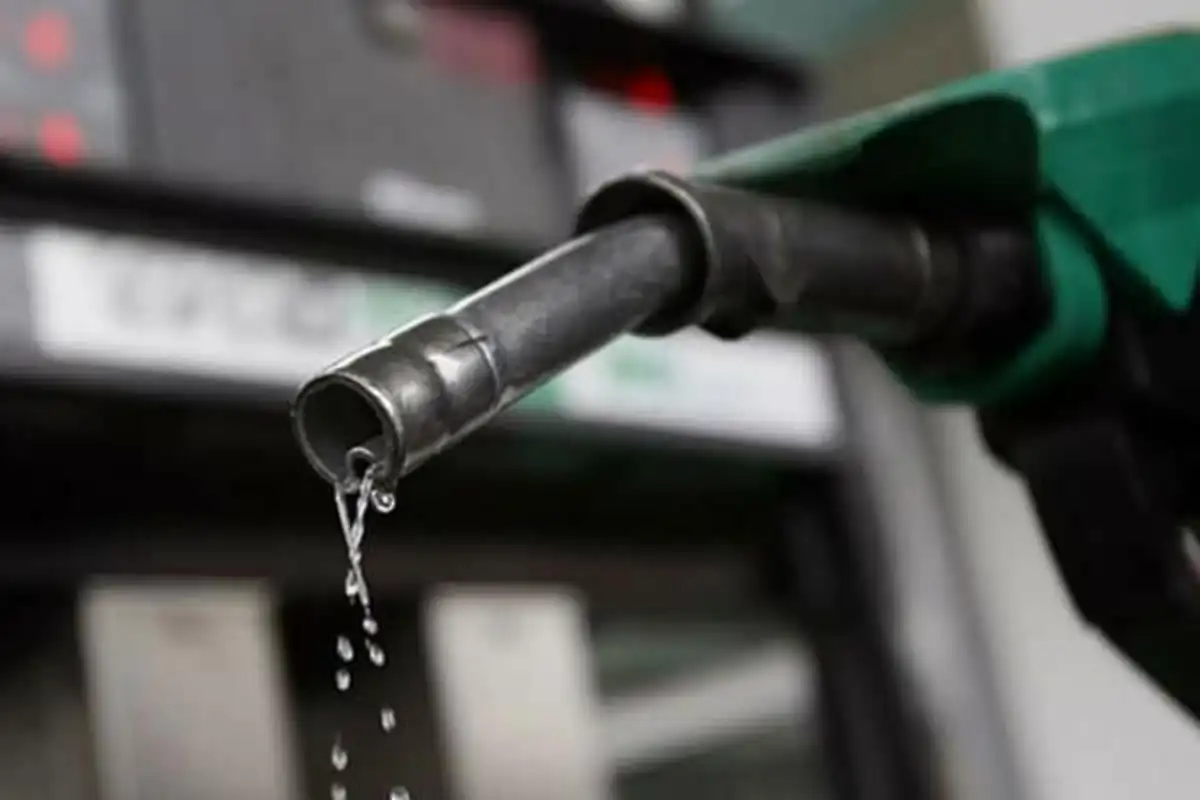
A major Petrol Price Reduction would provide immediate financial relief to consumers across the country. Fuel costs affect nearly every aspect of daily life, from transportation expenses to the prices of goods and services.
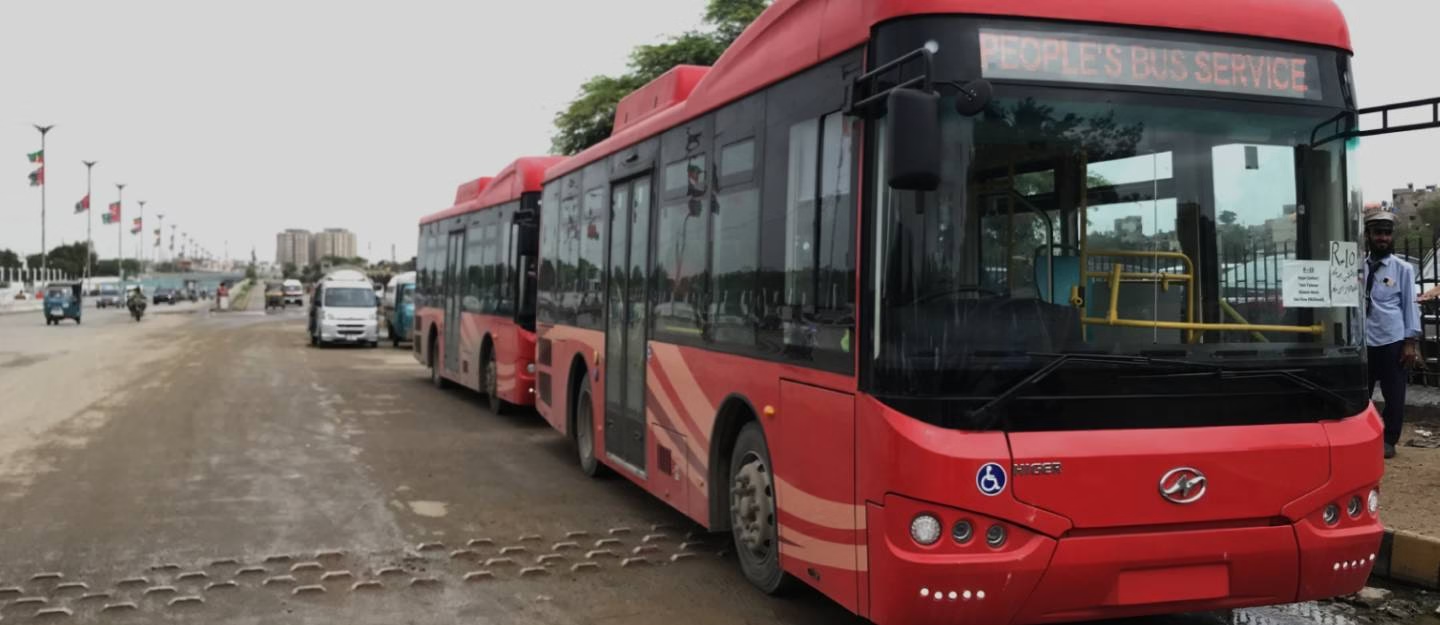
Lower petrol prices can reduce commuting costs for workers, students, and families. Businesses that rely on transportation may also experience lower operating expenses, potentially helping to control inflationary pressures.
For many households already managing tight budgets, a noticeable decrease in fuel prices could ease financial stress and improve purchasing power.
Wider Economic Effects
The impact of a Petrol Price Reduction extends far beyond filling stations. Fuel is a critical component of the broader economy, influencing transportation, logistics, agriculture, manufacturing, and retail sectors.
When fuel prices decline, transportation costs often decrease as well. This can help lower the cost of moving goods across the country, which may contribute to slower price increases for consumer products.
Economic analysts believe that lower fuel prices can also support business activity by reducing operational expenses and improving market confidence.
Challenges Facing Oil Marketing Companies
Despite public enthusiasm, not everyone in the industry supports a large and immediate reduction. Some oil marketing companies have reportedly expressed concerns about the potential financial impact of a sharp Petrol Price Reduction.
These companies argue that they currently hold fuel inventories purchased at higher prices. A sudden decrease in retail rates could result in inventory-related losses, affecting profitability.
As a result, some industry stakeholders are advocating for a phased approach that gradually adjusts fuel prices over time rather than implementing a single large reduction.
What Happens Next?
The final decision regarding the Petrol Price Reduction will depend on government approval and the outcome of ongoing reviews by relevant authorities.
Officials are expected to evaluate current international market conditions, domestic supply requirements, and economic considerations before announcing revised fuel rates.
Consumers across Pakistan are closely watching developments, hoping that the government will provide meaningful relief amid ongoing economic challenges.
Inflation Relief and Public Expectations
Inflation has remained a major concern for Pakistani households in recent years. Rising food prices, utility bills, and transportation costs have placed significant pressure on family budgets.
A substantial Petrol Price Reduction could help ease some of these concerns by lowering transportation expenses and reducing the cost of goods that depend on fuel-intensive supply chains.
While fuel prices alone cannot solve all economic challenges, they play an important role in shaping overall consumer confidence and financial well-being.
The expected Petrol Price Reduction represents a potentially positive development for Pakistan’s economy and its citizens. Falling global oil prices have created an opportunity for the government to deliver meaningful relief to consumers while supporting broader economic stability.
If approved, the reduction could lower transportation costs, ease inflationary pressure, and improve purchasing power for millions of people. As the government prepares its final decision, Pakistanis remain hopeful that the benefits of lower international crude oil prices will soon be reflected at local fuel stations.