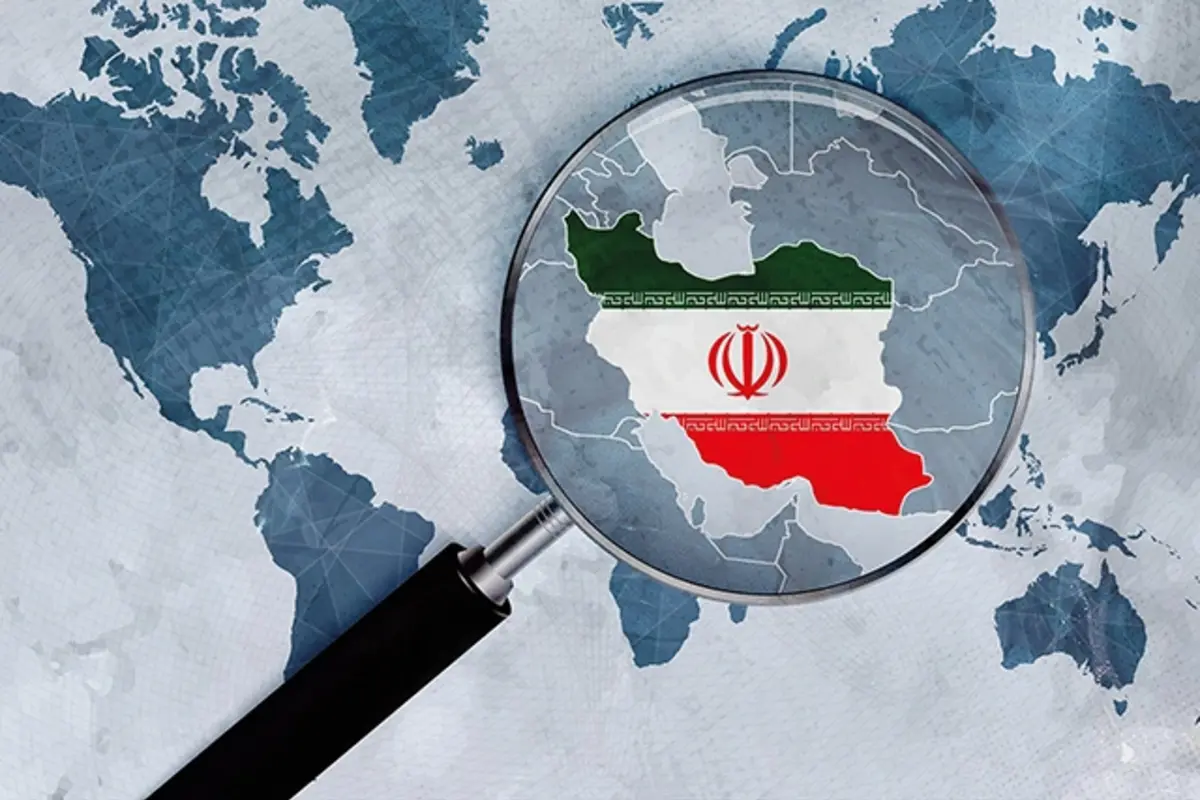
The US Iran Agreement has sparked intense debate among political analysts, diplomats, and global observers, with many viewing it as a significant development in international relations. The recently signed memorandum of understanding (MoU) between the United States and Iran has attracted worldwide attention, particularly after prominent American commentator Tucker Carlson described it as a historic geopolitical turning point.
According to Carlson, the agreement represents more than just a diplomatic arrangement between two longtime rivals. He argues that it reflects a broader recognition of Iran’s position as a major regional power and signals important changes in the global balance of influence.
A New Chapter in US-Iran Relations
For decades, relations between Washington and Tehran have been marked by tensions, sanctions, diplomatic disputes, and periods of heightened conflict. The US Iran Agreement appears to introduce a new phase in this complicated relationship.
While the details of the memorandum continue to be analyzed, the symbolic importance of both sides reaching an understanding cannot be ignored. The agreement suggests a willingness to pursue diplomatic engagement rather than relying solely on confrontation and pressure.
Political experts believe that even a preliminary agreement between the two countries could reduce uncertainty in the region and create opportunities for future dialogue.
Tucker Carlson’s Perspective
Tucker Carlson’s comments on the US Iran Agreement have generated considerable attention. He described the development as a moment that could reshape how the world views power dynamics in the Middle East.
Carlson argued that the agreement effectively acknowledges Iran as a significant player in regional affairs. According to his interpretation, the inability of military pressure alone to achieve strategic objectives has encouraged a more diplomatic approach.
His remarks focused on the broader implications of the deal rather than its immediate political outcomes. He suggested that the agreement demonstrates changing realities in international politics where emerging powers are increasingly difficult to isolate or ignore.
Historical Comparisons and Global Influence
One of the most discussed aspects of Carlson’s analysis was his comparison to the 1956 Suez Crisis. Historians often view that event as a moment when Britain’s declining global influence became visible to the world.
Carlson argued that the US Iran Agreement may serve as a similar symbolic moment in modern geopolitics. In his view, the agreement does not indicate weakness but rather highlights the evolving nature of international power structures.
Many analysts agree that today’s global environment is far more complex than in previous decades. Multiple regional powers now play influential roles in shaping international events, making diplomacy increasingly important.
Impact on the Middle East
The Middle East remains one of the world’s most strategically important regions. Any major diplomatic breakthrough involving Iran and the United States naturally attracts global attention.
Supporters of the US Iran Agreement believe it could contribute to greater regional stability by reducing tensions and encouraging dialogue among neighboring countries. Improved diplomatic relations may also lower the risk of military escalation in sensitive areas.
At the same time, critics remain cautious. They argue that long-standing disagreements and competing interests could still create obstacles in the implementation of any agreement.
The success of the arrangement will likely depend on both sides honoring their commitments and maintaining constructive engagement over time.
Economic Implications
Beyond politics, the US Iran Agreement could have economic consequences as well. Financial markets often react positively to signs of reduced geopolitical tensions, particularly in regions that influence global energy supplies.
Investors generally view diplomatic stability as beneficial for economic growth and market confidence. If tensions continue to ease, there could be positive effects on trade, investment, and energy markets.
For countries that depend heavily on imported energy resources, greater stability in the region may also help reduce uncertainty related to oil prices and supply chains.
Changing International Order
The discussion surrounding the US Iran Agreement also reflects a broader debate about the future of global leadership. International relations experts increasingly point to the emergence of a more multipolar world, where influence is distributed among several major powers rather than concentrated in a single center.
This shift does not necessarily mean the decline of any one country. Instead, it highlights the growing importance of cooperation, negotiation, and strategic partnerships in addressing international challenges.
Diplomatic agreements between influential nations often serve as indicators of these changing realities.
Challenges Ahead
Despite the optimism surrounding the agreement, significant challenges remain. Building trust between countries with decades of political differences is never a simple process.
The US Iran Agreement will likely face scrutiny from political groups, policymakers, and international stakeholders. Questions regarding implementation, compliance, and long-term objectives will continue to shape discussions in the months ahead.
Both governments will need to balance domestic political considerations with their broader diplomatic goals, making the path forward both important and complex.
The US Iran Agreement has emerged as one of the most significant diplomatic developments in recent years. Whether viewed as a breakthrough in relations, a strategic necessity, or a reflection of changing global realities, its importance extends beyond Washington and Tehran.
As international observers continue to assess its implications, the agreement serves as a reminder that diplomacy remains a powerful tool in shaping the future of global politics. If successfully implemented, it could influence regional stability, economic confidence, and international relations for years to come.