Iranian Armed Forces Chief of Staff Major General Ali Abdollahi has strongly condemned the Minab school attack, describing the strike on Shajareh Tayyebeh Elementary School as an unjustifiable crime against children. He vowed that those responsible would not escape accountability, stressing that attacks on educational institutions and innocent students could never be justified.
Abdollahi made the remarks on Thursday during a visit to the school in the southern Iranian city of Minab. The educational facility was struck on February 28, the first day of the US-Israeli military aggression against Iran.
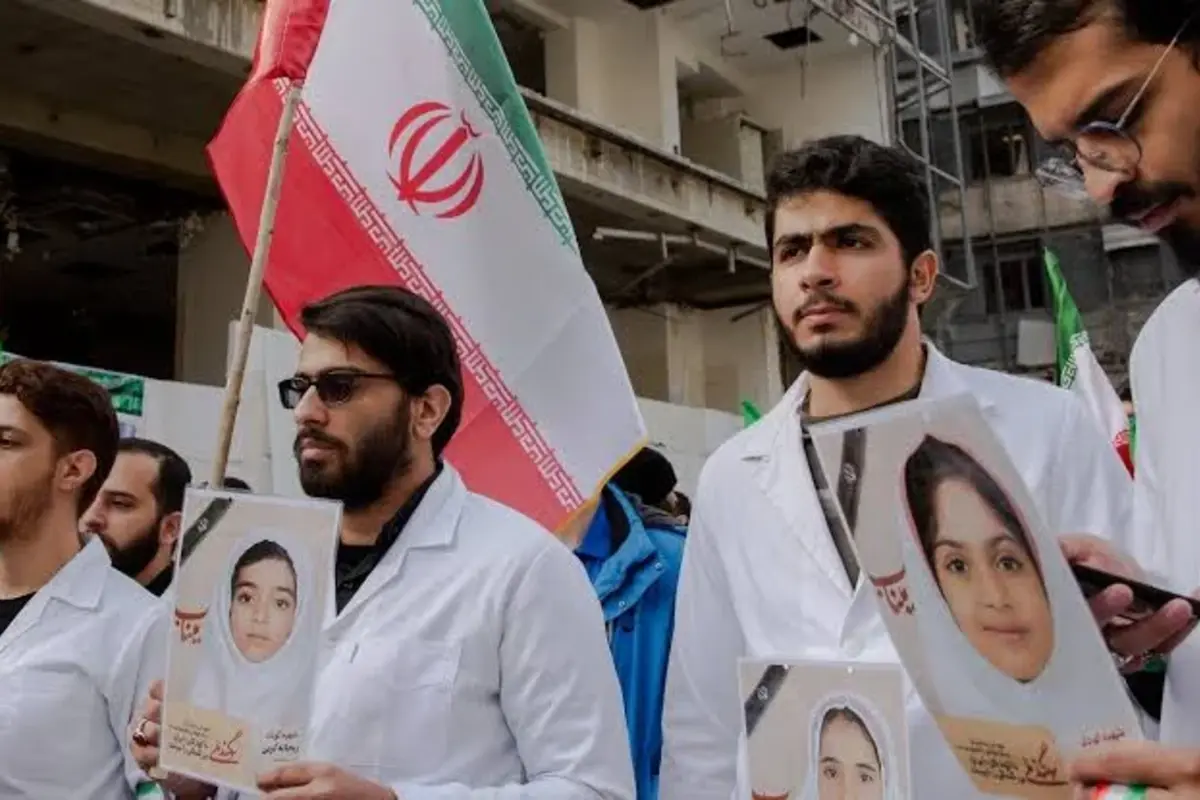
According to the account provided by Iranian officials, the attack killed 175 people, including numerous children aged between seven and 12 and 26 female teachers. The incident has become a major point of criticism in Iran’s response to the military campaign.
Iranian Military Chief Visits Shajareh Tayyebeh School
During his visit, Abdollahi described the damaged school as documented evidence of what he called American crimes against Iranian civilians.
He expressed strong condemnation of the strike, highlighting the presence of young students and teachers at the educational facility when it was hit.
The senior military commander said that targeting children and schools was unacceptable under any circumstances. He argued that educational institutions should remain protected spaces, particularly because they serve young people who have no role in military confrontations.
The visit also provided an opportunity for Abdollahi to publicly reiterate Iran’s position on the incident and its demand for accountability.
He stressed that the deaths of children and teachers could not be treated as an ordinary consequence of military operations.
Attack Reportedly Killed 175 People
The reported death toll from the Minab school attack stands at 175 people, according to the information provided by Iranian officials.
Among those killed were children between the ages of seven and 12, along with 26 female teachers.
The scale of the reported casualties has made the incident particularly significant in discussions surrounding civilian safety during the conflict.
Schools are generally regarded as civilian institutions that must be protected during armed conflicts. An attack resulting in such a high number of casualties raises serious questions about the protection of children, the assessment of military targets and the precautions taken before carrying out strikes.
The presence of students and teachers makes the incident especially sensitive, as educational facilities are intended to provide a safe environment for learning rather than become part of military confrontations.
Iranian authorities have repeatedly highlighted the reported casualties as evidence of the human cost of the attacks on the country.
Abdollahi Questions Washington’s Claims About Freedom
In his remarks, Abdollahi criticised what he described as a contradiction between Washington’s public commitment to freedom and its military actions.
He argued that the attack demonstrated the difference between the values promoted by the United States in its international statements and the consequences of its military operations.
The Iranian commander further alleged that US forces were fully aware of the school’s location and the presence of students when the strike occurred.
His statement placed particular emphasis on the responsibility of military forces to distinguish between civilian and military targets.
Abdollahi maintained that the targeting of an educational institution could not be defended through military justifications, particularly when children were among those reportedly killed.
The allegations form part of Iran’s broader criticism of the US role in the military campaign and its consequences for civilians.
Iran Vows Accountability for Those Responsible
One of the strongest messages from Abdollahi’s visit was his warning that those responsible for the school strike would face accountability.
He described the attack as an unacceptable crime and said the deaths of the children would not go unavenged.
The statement reflects the anger among Iranian officials over the reported civilian casualties and signals that Tehran intends to continue raising the incident in its political and military response.
Abdollahi’s remarks also underline Iran’s position that attacks on civilian facilities must not go unanswered.
However, questions surrounding the circumstances of the strike, including responsibility and the circumstances in which the school was targeted, remain central to the wider dispute.
Civilian Protection Remains a Major Concern
The Minab school attack has brought renewed attention to the vulnerability of children and educational institutions during armed conflicts.
Schools are essential civilian facilities, and their protection is an important part of international humanitarian principles governing warfare.
When educational institutions are struck, the consequences extend beyond immediate casualties. Families lose children, teachers and communities suffer lasting trauma, and the wider education system faces disruption.
The reported deaths in Minab have therefore become a major issue in Iran’s criticism of the military campaign.
Abdollahi’s visit and public condemnation were intended to highlight the human consequences of the strike and reinforce calls for those responsible to be held accountable.
Minab School Attack Adds to Regional Tensions
The condemnation of the Minab school attack comes amid continuing tensions between Iran, the United States and Israel.
Iranian officials have repeatedly criticised the military campaign, pointing to civilian casualties and damage to public infrastructure.
Abdollahi’s remarks add to those accusations, with the military leadership emphasising that attacks involving children and educational facilities cannot be accepted.
The incident is likely to remain an important part of Iran’s diplomatic and political response to the conflict. For now, the Iranian leadership continues to demand accountability while highlighting the reported deaths of 175 people at the Shajareh Tayyebeh Elementary School.
The tragedy has also renewed attention to the need to protect civilians, particularly children, from the consequences of military operations.