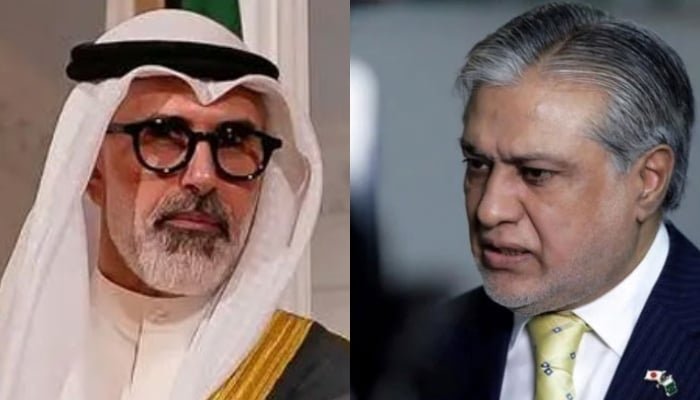
The Islamabad MoU remains at the center of Pakistan’s diplomatic efforts to reduce tensions in the Middle East. Deputy Prime Minister and Foreign Minister Senator Ishaq Dar has reiterated the importance of fully implementing the agreement and respecting the ceasefire commitments outlined in it. His remarks came during a telephone conversation with Kuwait’s Foreign Minister Sheikh Jarrah Jaber Al-Ahmad Al-Sabah, as both countries expressed concern over the worsening security situation in the region.
Pakistan has consistently advocated dialogue, diplomacy, and peaceful conflict resolution, emphasizing that lasting regional stability can only be achieved through restraint and mutual respect.
Pakistan Urges Full Implementation of the Islamabad MoU
During the high-level phone call, Senator Ishaq Dar stressed the urgent need for all parties to honor the commitments made under the Islamabad MoU. According to Pakistan’s Foreign Office, he emphasized that respecting ceasefire arrangements is essential to preventing further escalation across the Middle East.
Dar also highlighted the importance of safeguarding the sovereignty and territorial integrity of all countries. He stated that maintaining peace should remain the top priority, especially during a period of increasing geopolitical uncertainty.
The discussion reflected Pakistan’s continued commitment to supporting diplomatic initiatives rather than military confrontation.
Kuwait Expresses Security Concerns
Kuwait also shared its concerns regarding recent attacks on its territory and critical infrastructure.
According to Kuwaiti officials, several civilian facilities, including an oil installation and a power and water plant, were reportedly targeted. Kuwait described these incidents as serious threats to civilian safety and national infrastructure.
During the conversation, Kuwait’s foreign minister expressed hope that all parties would exercise maximum restraint and avoid actions that could further destabilize the region. He also acknowledged Pakistan’s constructive role in promoting dialogue and supporting regional peace efforts.
Pakistan’s Diplomatic Role Gains Recognition
Over recent months, Pakistan has increasingly positioned itself as a mediator capable of encouraging dialogue between regional stakeholders.
Its balanced diplomatic approach has earned appreciation from several countries seeking peaceful solutions to ongoing disputes. By advocating communication instead of confrontation, Islamabad aims to reduce tensions that could otherwise affect the broader Middle East.
Pakistan’s leadership continues to maintain that diplomacy remains the most effective path toward sustainable peace and long-term regional cooperation.
Growing Regional Security Challenges
The Middle East continues to experience heightened geopolitical uncertainty, with multiple security issues affecting regional stability.
Conflicts involving state and non-state actors, concerns over maritime security, and rising military activity have increased pressure on neighboring countries. These developments have also affected global energy markets, international shipping routes, and investor confidence.
In such an environment, agreements like the Islamabad MoU are viewed as important diplomatic mechanisms for encouraging restraint and preventing further escalation.
Defence Cooperation Between Pakistan and Kuwait
Alongside diplomatic discussions, reports indicate that Pakistan and Kuwait are exploring opportunities to strengthen defence cooperation.
According to various reports, discussions remain at an early stage and cover areas such as military training, defence procurement, joint exercises, and broader security collaboration.
While speculation has emerged regarding expanded military cooperation, officials have indicated that negotiations are still ongoing and that no final agreement has been announced.
Pakistan and Kuwait have maintained defence ties for several years, particularly in training and professional military exchanges.
Regional Partnerships Continue to Evolve
The Gulf region has increasingly explored new security partnerships in response to evolving geopolitical realities.
Pakistan’s strong defence capabilities, experienced armed forces, and established military-industrial base have positioned the country as a valuable strategic partner for several Gulf states.
In recent years, Pakistan has expanded defence cooperation with regional allies through joint exercises, training programs, defence technology collaboration, and security consultations.
Observers believe these partnerships are intended to strengthen regional stability rather than contribute to further conflict.
Balancing Diplomacy and Security
Pakistan faces the challenge of balancing its longstanding relationships with multiple countries across the Middle East.
While maintaining close ties with Gulf Cooperation Council (GCC) states, Pakistan has also emphasized the importance of avoiding actions that could increase regional tensions.
Its foreign policy continues to prioritize dialogue, peaceful dispute resolution, and respect for international law.
This balanced approach allows Pakistan to contribute constructively to diplomatic efforts while protecting its own strategic interests.
Importance of Regional Stability
Peace in the Middle East remains critically important for the global economy.
The region is home to major energy producers and vital international shipping routes. Any prolonged instability can affect oil prices, global supply chains, transportation costs, and international trade.
Countries around the world therefore closely monitor diplomatic developments involving Gulf nations, recognizing that regional security has significant international consequences.
Pakistan’s repeated calls for restraint reflect growing international concern over the need to prevent further escalation.
The future success of the Islamabad MoU will depend on continued diplomatic engagement and the willingness of all parties to honor their commitments.
Confidence-building measures, open communication, and respect for sovereignty remain essential ingredients for preserving regional peace. While security challenges persist, sustained diplomatic efforts provide an opportunity to reduce misunderstandings and encourage constructive dialogue.
Pakistan has indicated that it will continue supporting initiatives that promote stability, cooperation, and peaceful conflict resolution throughout the region.
The Islamabad MoU continues to play a significant role in Pakistan’s efforts to encourage peace and reduce tensions across the Middle East. Deputy Prime Minister Ishaq Dar’s recent discussions with Kuwait underscore Islamabad’s commitment to diplomacy, ceasefire implementation, and respect for national sovereignty.
As regional security challenges evolve, Pakistan’s emphasis on dialogue rather than confrontation positions it as an important diplomatic voice advocating stability. While defence cooperation among regional partners continues to develop, the long-term objective remains clear: preserving peace, protecting civilians, and ensuring that diplomacy remains the preferred path toward lasting regional security.