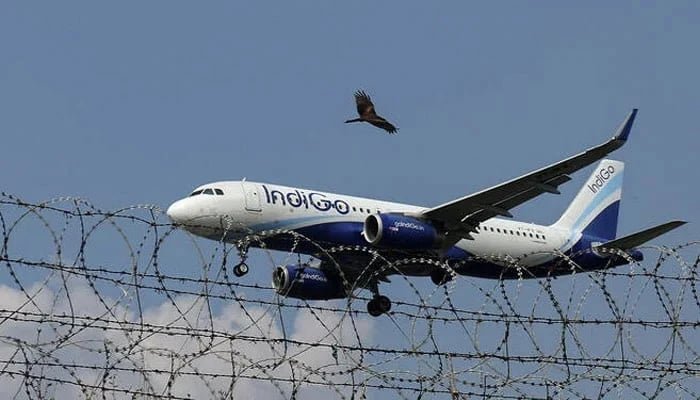
The Pakistan airspace ban on Indian aircraft has been officially extended until August 24, 2026, according to the Pakistan Airports Authority (PAA). The decision continues restrictions that have been in place since April 2025 and affects all Indian-registered aircraft, Indian airlines, and aircraft leased or operated by Indian carriers. The extension reflects the ongoing diplomatic and security tensions between the two neighboring countries and continues to impact regional aviation operations.
Pakistan Extends Airspace Restrictions
The Pakistan Airports Authority issued a fresh Notice to Airmen (NOTAM), confirming that the restrictions will remain effective for another month. The previous deadline was set to expire on July 24, 2026, but the government decided to prolong the ban in line with existing security and foreign policy measures.
Under the latest notification, Indian commercial airlines, privately registered Indian aircraft, and leased aircraft operated by Indian companies remain prohibited from entering Pakistani airspace.
The move ensures that the existing aviation restrictions continue without interruption.
Background Behind the Decision
The Pakistan airspace ban was first introduced in April 2025 following a sharp deterioration in relations between Islamabad and New Delhi.
The diplomatic dispute intensified after India suspended the Indus Waters Treaty in the aftermath of the deadly Pahalgam attack in Indian Illegally Occupied Jammu and Kashmir (IIOJK). India accused Pakistan of involvement in the incident, an allegation Pakistan strongly rejected while calling for an independent and transparent international investigation.
As bilateral relations worsened, Pakistan closed its airspace to Indian airlines, while India later imposed similar restrictions on Pakistani carriers.
Since then, aviation links between the two countries have remained heavily restricted.
Impact on Indian Airlines
The continued closure of Pakistani airspace has created operational challenges for Indian airlines.
Many international flights that previously crossed Pakistani territory now have to take longer alternative routes. These diversions increase flight durations, fuel consumption, crew costs, and overall operating expenses.
Industry observers note that the additional costs can significantly affect airline profitability, especially on long-haul routes connecting India with Europe, the Middle East, and North America.
According to various reports, Indian airlines have suffered substantial financial losses since the restrictions were first introduced.
Longer flight paths also reduce scheduling flexibility and place additional pressure on airline operations.
Limited Impact on Pakistan
While both countries have imposed reciprocal restrictions, the operational impact has been considerably smaller for Pakistan’s aviation sector.
Pakistani airlines operate fewer long-haul international routes compared to their Indian counterparts. As a result, the closure of Indian airspace has had relatively limited consequences for Pakistan’s commercial aviation industry.
This difference in route networks explains why the economic burden has largely been greater for Indian carriers.
Military Tensions Shaped Aviation Policy
The aviation restrictions cannot be viewed separately from the broader security environment between the two countries.
In May 2025, military tensions escalated after cross-border strikes and retaliatory operations significantly increased the risk of conflict. Both sides experienced a period of heightened military activity before agreeing to a ceasefire through international diplomatic efforts.
Although the ceasefire helped reduce immediate military tensions, political disagreements and security concerns have continued to influence bilateral relations.
The extension of aviation restrictions reflects the cautious approach both countries continue to maintain.
Airspace Closures and International Aviation
Airspace restrictions between neighboring countries are not uncommon during periods of diplomatic or military tension.
When one country’s airspace becomes unavailable, airlines are required to reroute flights through alternative corridors. While these adjustments maintain passenger safety, they often increase operational complexity.
Longer routes can lead to:
- Increased fuel consumption.
- Higher operating costs.
- Extended travel times.
- Additional crew scheduling requirements.
- Reduced fleet efficiency.
These factors directly affect airline profitability and, in some cases, may influence ticket prices.
Historical Precedents
This is not the first time Pakistan has imposed restrictions on Indian aircraft.
Similar airspace closures occurred during the 1999 Kargil conflict and again following the Pulwama crisis in 2019. On both occasions, Indian airlines experienced significant operational disruptions due to longer international flight routes.
Those historical examples demonstrate how aviation often becomes one of the sectors most immediately affected during periods of strained diplomatic relations.
The current restrictions follow a similar pattern, although they have lasted considerably longer than previous closures.
Broader Diplomatic Context
The extension of the Pakistan airspace ban highlights the continued absence of meaningful diplomatic progress between Islamabad and New Delhi.
While both governments have maintained communication through limited official channels, several longstanding issues remain unresolved.
Observers believe that improvements in bilateral relations would likely be necessary before normal aviation cooperation can resume.
International aviation organizations generally encourage countries to maintain open air routes whenever security conditions permit, given their importance for trade, tourism, and regional connectivity.
What Happens Next?
The latest NOTAM keeps the restrictions in place until August 24, 2026.
Whether the ban will be lifted after that date depends largely on future diplomatic and security developments between the two countries. If tensions remain unresolved, further extensions remain possible.
Airlines are expected to continue operating alternative routes while monitoring official announcements from aviation authorities in both Pakistan and India.
Passengers traveling on affected international routes should expect airlines to maintain existing schedules based on current routing arrangements.
The extension of the Pakistan airspace ban until August 2026 reinforces the continuing impact of political and security tensions on regional aviation. While the restrictions primarily affect Indian airlines through longer flight paths and increased operating costs, they also highlight the broader challenges facing relations between the two neighboring countries.
Until diplomatic conditions improve, aviation is likely to remain one of the sectors most directly influenced by bilateral disputes. For now, airlines will continue adapting to alternative routes while both governments determine the future course of their relationship.