Iran-US talks have entered a new period of uncertainty after Iran announced the suspension of negotiations with the United States, citing what it described as Washington’s failure to uphold commitments under the Islamabad Memorandum of Understanding (MoU). The development marks another setback in diplomatic efforts aimed at easing tensions between the two countries and has raised fresh concerns about regional stability and the future of dialogue.
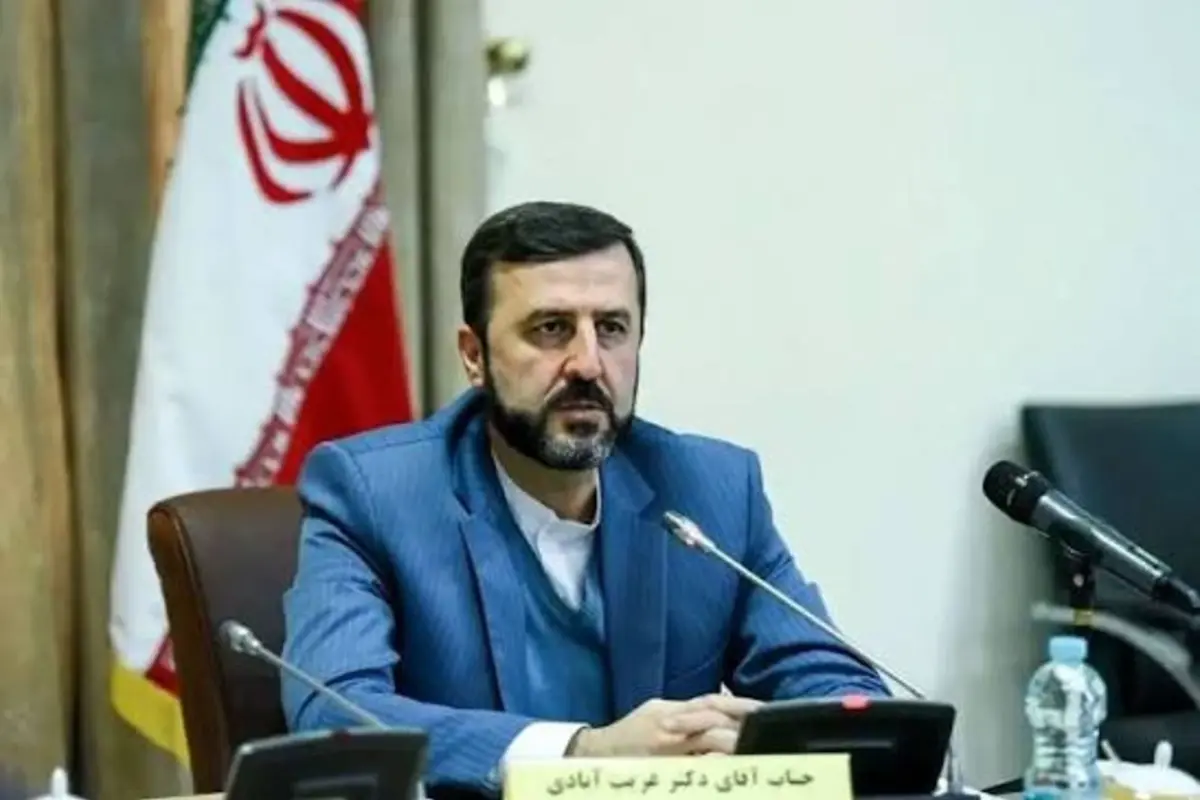
Iran’s Deputy Foreign Minister Kazem Gharibabadi said Tehran had decided to halt discussions with Washington following what he characterized as violations of the agreement. According to the Iranian official, the government has also suspended its own commitments under the memorandum until further notice.
Iran Announces Suspension of Negotiations
Speaking about the latest developments, Gharibabadi stated that diplomatic engagement with the United States has been paused because Iran believes the agreement was not respected.
According to his remarks, Tehran considers the alleged actions by Washington inconsistent with the commitments outlined in the Islamabad MoU. He claimed that instead of implementing the agreement, the United States carried out actions that Iran views as hostile.
As a result, Iranian authorities say negotiations will remain suspended while the country focuses on protecting its national interests and security priorities.
What Is the Islamabad Memorandum of Understanding?
The Islamabad Memorandum of Understanding was introduced as a diplomatic framework intended to reduce tensions and encourage dialogue between the two countries.
Its reported objective was to establish confidence-building measures and create conditions for peaceful engagement rather than confrontation. Although the agreement generated optimism when first announced, recent statements from Iranian officials suggest that implementation has become increasingly difficult.
The latest dispute indicates that disagreements over the interpretation and execution of the memorandum have significantly affected diplomatic relations.
National Security Takes Priority
Iranian officials have emphasized that national security remains their government’s immediate priority.
Gharibabadi said Iran is currently focused on strengthening its defense capabilities and ensuring the country’s security in response to what officials describe as growing external pressure.
According to his statement, diplomatic discussions cannot continue under circumstances where Tehran believes its security concerns are not being adequately addressed.
This position reflects Iran’s longstanding emphasis on linking diplomatic engagement with broader national security considerations.
Impact on Regional Stability
The suspension of Iran-US talks could have wider implications for the Middle East.
Relations between Tehran and Washington influence several regional issues, including maritime security, energy markets, counterterrorism efforts, and broader geopolitical stability.
When communication channels between major powers become limited, the possibility of misunderstandings or increased tensions often grows. Analysts frequently note that continuous diplomatic engagement, even during periods of disagreement, can help reduce the risk of unintended escalation.
The latest announcement therefore adds another layer of uncertainty to an already complex regional environment.
Diplomatic Challenges Ahead
Negotiations between Iran and the United States have experienced repeated interruptions over the years.
Political differences, security concerns, sanctions, and regional conflicts have often complicated diplomatic efforts. Even when agreements have been reached, implementation has frequently proven challenging due to differing interpretations and changing political circumstances.
The latest suspension highlights the fragile nature of diplomatic progress between the two countries and demonstrates how quickly negotiations can stall when trust begins to erode.
Iran’s Position on Self-Defense
During his remarks, Gharibabadi reaffirmed Iran’s position regarding national defense.
He stated that Iran reserves what it considers its right to take necessary measures for self-defense if it believes its security is threatened.
Iranian officials have consistently maintained that protecting national sovereignty remains one of the government’s highest priorities.
While such statements reflect Tehran’s official position, international observers continue encouraging restraint and dialogue to prevent further escalation.
International Attention
The announcement has attracted significant attention from governments and policy experts around the world.
Global powers continue monitoring developments because any deterioration in US-Iran relations can affect international energy markets, regional diplomacy, and commercial shipping.
The Middle East remains strategically important due to its energy resources and key maritime routes. Consequently, diplomatic developments involving Iran and the United States often carry global economic and political significance.
International organizations have repeatedly emphasized the importance of maintaining open communication channels even during periods of heightened tension.
Importance of Continued Dialogue
History has shown that sustained diplomacy often provides opportunities to resolve disputes peacefully.
Although negotiations have currently been suspended, diplomatic channels are rarely considered permanently closed. Governments frequently pause discussions during periods of disagreement before eventually returning to the negotiating table when conditions become more favorable.
Constructive dialogue remains one of the most effective tools for addressing complex international disputes and reducing the likelihood of prolonged confrontation.
Many observers believe that future negotiations will depend on rebuilding confidence and addressing the concerns raised by both sides.
The future of Iran-US talks remains uncertain following Tehran’s latest announcement.
Whether negotiations resume will likely depend on future diplomatic developments, political decisions, and the willingness of both countries to engage in confidence-building measures. Any progress toward restoring dialogue could help reduce tensions and contribute to greater regional stability.
At the same time, prolonged suspension of diplomatic engagement may create additional challenges for resolving broader issues affecting the Middle East.
The suspension of Iran-US talks represents another significant development in the evolving relationship between Tehran and Washington. Iran’s decision to pause negotiations and halt implementation of its commitments under the Islamabad Memorandum of Understanding reflects the deep disagreements that continue to shape bilateral relations.
While both countries remain divided over recent events, the importance of diplomacy cannot be overlooked. Peaceful engagement, transparent communication, and mutual efforts to rebuild trust will remain essential if future negotiations are to resume successfully. As regional and global stakeholders continue monitoring the situation, the coming weeks may prove critical in determining whether diplomacy can regain momentum or whether tensions will continue to rise.