The latest developments in the Middle East have once again brought Iran regional diplomacy into focus as Tehran continues diplomatic engagement with regional and international leaders amid ongoing tensions and indirect negotiations with the United States.
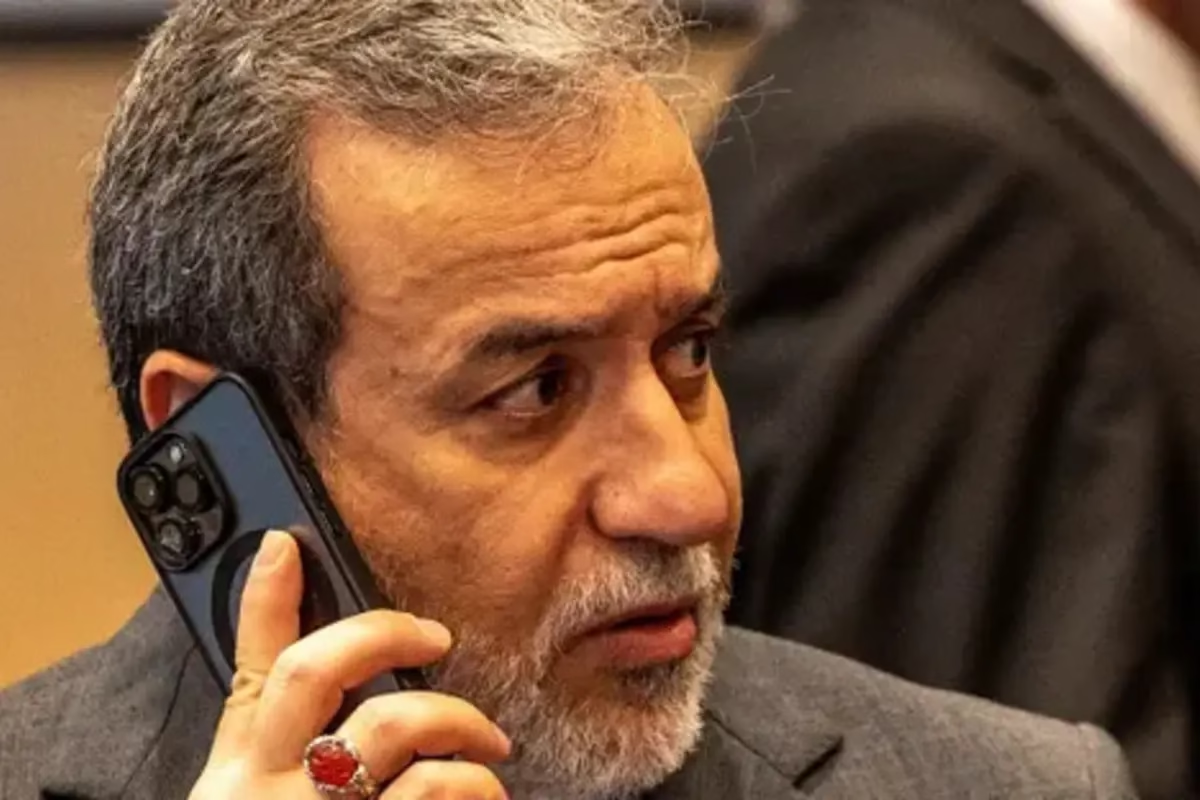
According to Iranian media reports, Abbas Araghchi recently held a series of important phone conversations with Sheikh Mohammed bin Abdulrahman Al Thani and António Guterres. The discussions reportedly focused on reducing regional tensions, promoting diplomatic dialogue, and supporting peace efforts in the Middle East.
The growing attention surrounding Iran regional diplomacy comes at a time when the region continues facing political uncertainty, security concerns, and shifting alliances. Diplomatic efforts involving Gulf countries, the United Nations, and neighboring states have intensified as leaders seek ways to avoid further escalation.
According to reports, the discussions between Iranian and Qatari officials emphasized the importance of dialogue and peaceful engagement. Qatar has often played a mediatory role in regional affairs and has maintained communication channels with multiple stakeholders across the Middle East.
At the same time, the involvement of the United Nations highlights the international dimension of current regional tensions. António Guterres has repeatedly called for restraint, diplomatic engagement, and peaceful conflict resolution in the Middle East.
The ongoing focus on Iran regional diplomacy is also linked to indirect negotiations between Tehran and Washington. Although official details remain limited, diplomatic contacts continue through mediators and international partners in an effort to reduce tensions and maintain regional stability.
Observers believe these negotiations are important because relations between Iran and the United States continue to influence security, trade, and political developments across the region. Any progress in dialogue could help ease uncertainty in international energy markets and regional politics.
Reports also indicate that Hezbollah leader Naim Qassem received a message from high-level officials reaffirming Iran’s continued support for movements it considers aligned with justice and resistance.
According to Hezbollah sources, the message stressed that Iran would not withdraw support for allied groups in the region. This statement has further highlighted the strategic and ideological aspects of Iran regional diplomacy and its broader regional alliances.
Iran has consistently maintained that its regional policies are aimed at protecting national interests, supporting regional stability, and resisting external pressure. Iranian officials frequently argue that dialogue and diplomacy are essential for achieving long-term peace in the Middle East.
The latest diplomatic activity also drew attention to Pakistan’s role in regional mediation efforts. Reports suggested that Pakistani officials have supported efforts aimed at reducing tensions and encouraging peaceful dialogue between regional powers.
The role of Pakistan in Iran regional diplomacy reflects Islamabad’s broader interest in maintaining stability within the region. Pakistan shares borders and strategic ties with Iran and has historically encouraged peaceful engagement among Muslim countries facing political tensions.
Regional analysts believe diplomatic engagement is becoming increasingly important as conflicts and geopolitical rivalries continue affecting multiple Middle Eastern countries. Rising tensions often impact global oil prices, trade routes, and international security concerns.
The discussions involving Iran, Qatar, and the United Nations therefore represent more than routine diplomatic communication. They reflect wider international efforts to prevent further instability and encourage political solutions through negotiation rather than confrontation.
The growing focus on Iran regional diplomacy also comes amid broader shifts in global politics. Countries across the Middle East are increasingly balancing security concerns with economic priorities, energy cooperation, and regional partnerships.
For Iran, diplomatic engagement provides an opportunity to strengthen relations with neighboring countries while presenting itself as an active participant in regional peace efforts. Tehran has repeatedly stated that dialogue and cooperation are necessary to address ongoing challenges facing the region.
At the same time, international observers continue monitoring how these diplomatic efforts may influence future negotiations between Iran and Western countries. Any reduction in tensions could have significant effects on regional security, economic activity, and global energy markets.
The current phase of Iran regional diplomacy highlights the complex nature of Middle Eastern politics, where diplomatic dialogue, security concerns, and strategic alliances remain deeply interconnected. Regional powers are increasingly relying on negotiations and communication channels to manage crises and avoid wider conflict.
While many challenges remain unresolved, recent diplomatic contacts indicate that multiple stakeholders are still seeking peaceful pathways forward. Whether these efforts produce long-term breakthroughs remains uncertain, but continued engagement may help reduce tensions and encourage stability.
As the situation develops, the international community will continue closely watching diplomatic initiatives involving Iran, regional governments, and global institutions working to maintain peace and prevent further escalation in the Middle East.