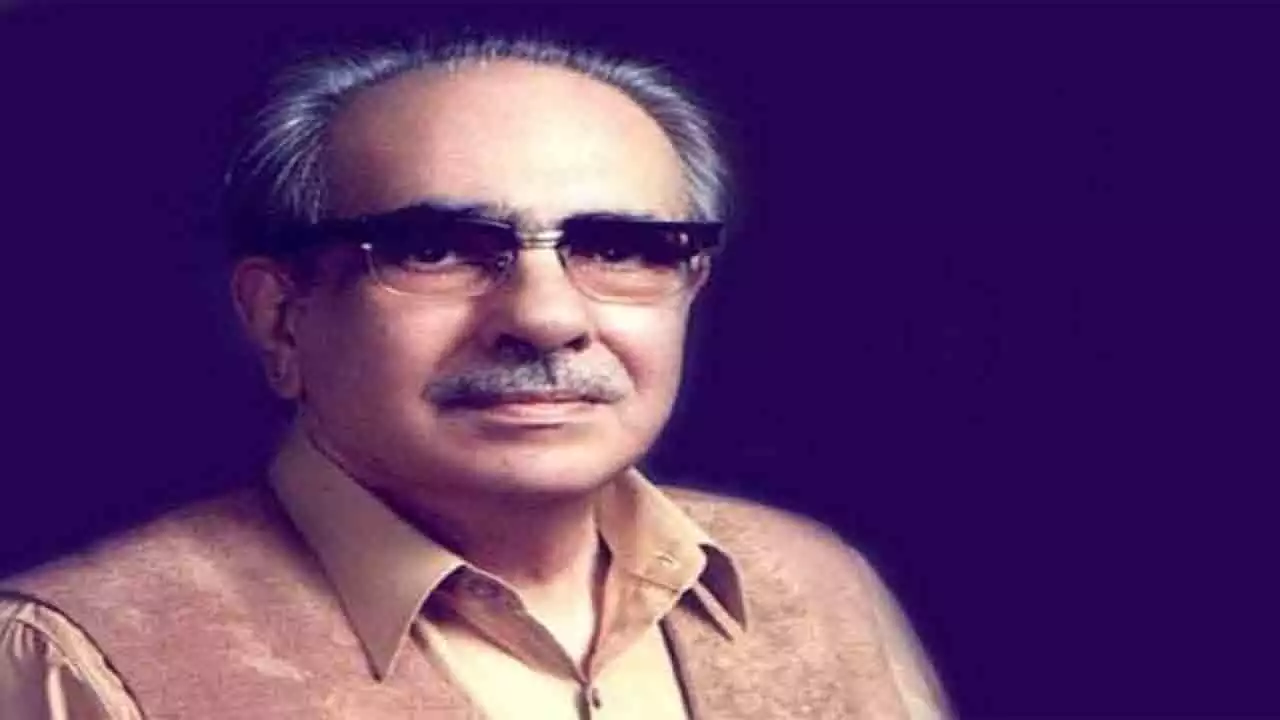
Jamiluddin Aali remains one of the distinguished names in Urdu literature, remembered for his poetry, couplets, songs, travel writing and columns. Born in Delhi in January 1925, Nawabzada Mirza Jamiluddin Aali made a significant contribution to Urdu literary traditions and earned recognition for his distinctive writing style. His work helped bring greater appreciation to the genre of Urdu couplets, while his broader literary contributions established him as a respected poet and writer.
Over the years, Aali developed a reputation as a versatile literary personality. He was not limited to poetry alone but also explored travel writing and journalism, creating a body of work that reflected his interest in language, culture and society. His writings continue to hold an important place in discussions about modern Urdu literature.
Early Life and Literary Journey
Born in Delhi during January 1925, Jamiluddin Aali grew up in an environment shaped by the rich literary and cultural traditions of the subcontinent. Urdu poetry had a long-established place in the region’s cultural life, with poets using the language to express emotions, social experiences and philosophical ideas.
Aali became part of this literary tradition and developed his own identity through poetry and prose. His writing demonstrated an interest in different forms of Urdu expression, allowing him to reach readers through several literary genres.
His contribution to couplets was particularly notable. The concise nature of a couplet requires a writer to communicate an idea, feeling or observation through carefully chosen words. Aali’s work helped bring renewed recognition to this form and demonstrated how short poetic expressions could carry depth and meaning.
His literary journey also extended beyond traditional poetry, making him a multifaceted contributor to Urdu literature.
Contributions to Poetry and Urdu Couplets
Poetry was among the most important parts of Jamiluddin Aali’s literary identity. He wrote ghazals, couplets and songs, demonstrating his ability to work across different poetic forms.
The ghazal, one of the most recognised forms of Urdu poetry, traditionally explores themes such as love, separation, beauty, human emotions and philosophical reflection. Aali’s involvement in this tradition connected his work with a literary form that has remained popular among Urdu readers for generations.
His couplets also helped strengthen appreciation for shorter poetic expressions. A well-written couplet can communicate a complete thought or emotional experience in just two lines. This makes the form both challenging for poets and memorable for audiences.
Aali’s contribution to Urdu couplets gave him a distinctive position in the literary world. His work demonstrated that poetry does not always require lengthy compositions to leave a lasting impression. Carefully structured language and meaningful expression can make even a brief piece of writing memorable.
Books, Songs and Literary Works
Alongside his poetry, Jamiluddin Aali produced several literary works that became recognised contributions to Urdu writing.
Among the titles associated with his work are Dunya Muray Aaye and Tamasha Muray Aaye. These works reflect his broader engagement with Urdu literature and his ability to explore different subjects through writing.
His songs also formed an important part of his literary contribution. Writing songs requires a different approach from composing traditional poetry, as the words must work with rhythm, melody and the emotions of the listener.
Aali’s involvement in this area further demonstrated his versatility. He was able to contribute to literary expression through written poetry as well as compositions intended to be experienced through music.
His range of work helped him connect with different audiences, including readers who appreciated traditional Urdu poetry and those interested in songs and prose.
A Poet, Travel Writer and Columnist
Jamiluddin Aali was not only recognised as a poet but also earned respect as a travel writer and columnist.
Travel writing allows authors to describe places, cultures and experiences while sharing personal observations with readers. Aali’s work in this genre added another dimension to his literary identity.
As a columnist, he also participated in written discussions on subjects beyond poetry. Column writing requires clarity, observation and the ability to communicate ideas in an engaging manner.
These different forms of writing showed that Aali’s literary interests extended beyond verse. His contributions reflected a broad understanding of language and the ways it could be used to inform, entertain and communicate ideas.
National Recognition and Literary Awards
The Government of Pakistan recognised Jamiluddin Aali’s valuable services to literature by awarding him the Tamgha Hasan-e-Darani and Hilal-e-Imtiaz.
These honours acknowledged his contribution to Urdu literature and his standing as an important literary personality.
For writers and poets, national recognition represents an acknowledgment of the cultural value of their work. In Aali’s case, the awards reflected the importance of his contributions across poetry, songs, travel writing and columns.
His recognition also highlighted the role of Urdu writers in preserving and developing Pakistan’s literary heritage.
Death and Lasting Legacy
Jamiluddin Aali passed away in Karachi on November 23, 2015, bringing an end to a remarkable literary journey that had spanned several decades.
Although he is no longer alive, his writings remain part of the Urdu literary landscape. His poetry, couplets, songs and prose continue to represent the diversity of his creative work.
Jamiluddin Aali is remembered not simply for the number of literary forms he explored but also for the recognition he brought to Urdu expression. His contribution to couplets, in particular, remains an important part of his literary identity.
His life and work serve as a reminder of the lasting influence writers can have on language and culture. Through his literary achievements and national honours, Aali secured a respected place among the notable figures of Urdu literature.