The PPP new provinces referendum debate in Pakistan could take an unexpected turn, as influential government circles believe the Pakistan Peoples Party (PPP) may eventually agree to participate in a referendum on creating additional provinces. Despite its publicly stated opposition to the proposal, the party could reconsider its position if voters support administrative restructuring, according to a senior government official.
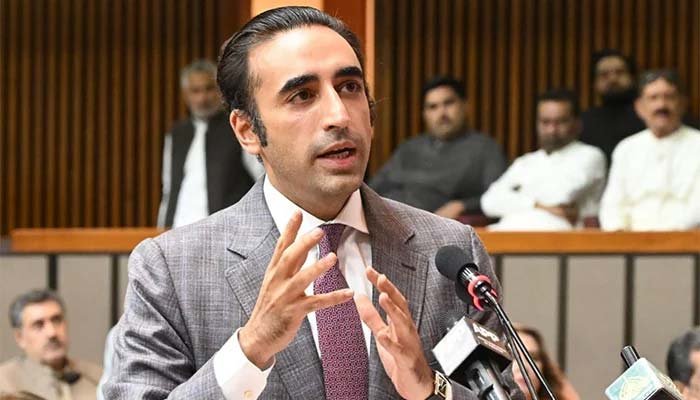
The official, speaking on condition of anonymity, suggested that the PPP’s current stance, including opposition expressed by party chairman Bilawal Bhutto-Zardari, may not lead to a prolonged political confrontation with the government.
Government circles reportedly expect the party to eventually accept the idea of holding a referendum and potentially support the broader proposal to increase the number of provinces.
However, this remains an assessment within government circles rather than a confirmed change in the PPP’s official position.
Government Expects PPP to Reconsider Its Position
According to the senior official, authorities believe the PPP may find it difficult to maintain its opposition if a referendum produces a clear public mandate in favour of creating more provinces.
The government’s apparent calculation is based on a distinction between the positions of political parties and the preferences of ordinary voters.
While political parties may consider the electoral and constitutional consequences of dividing existing provinces, supporters of administrative restructuring believe voters could be more receptive to the idea.
A referendum could therefore become a central part of the government’s efforts to build public support for the proposal.
The PPP new provinces referendum issue is particularly important because the party’s participation could influence the political acceptance of any future restructuring plan.
Nevertheless, the government has yet to secure a confirmed commitment from the PPP, and its current opposition remains a significant obstacle.
Why the Proposal for Smaller Provinces Is Gaining Attention
Supporters of creating additional provinces argue that smaller administrative units could improve governance and make government services more accessible to citizens.
Pakistan’s existing provincial structure has faced longstanding debates over administrative efficiency, regional representation and the distribution of resources.
Advocates of restructuring believe smaller provinces could bring government institutions closer to local populations, improve public service delivery and allow regional concerns to receive greater attention.
They also argue that administrative decentralisation could help address grievances in areas where residents feel disconnected from provincial decision-making centres.
The proposal has gained attention as political leaders discuss whether Pakistan should consider creating 12 or more provinces instead of maintaining its current four-province structure.
However, critics and political opponents may raise concerns about the financial costs, political consequences and administrative difficulties associated with such a major change.
Why the PPP Is Cautious About Dividing Provinces
For the PPP, the issue carries particular political sensitivity because of Sindh’s historical, political and constitutional importance to the party.
Bilawal Bhutto-Zardari has already expressed strong opposition to any attempt to divide Sindh through what he considers a forced process.
His position reflects the party’s concerns about the political implications of changing existing provincial boundaries.
The possibility of creating additional provinces could affect political representation, administrative authority and electoral arrangements. These issues make the debate especially sensitive for parties with strong regional political support.
The government’s expectation that the PPP may eventually support a referendum suggests that political calculations could change if the proposal receives widespread public backing.
However, there is currently no confirmed indication that Bilawal or the party leadership has agreed to change its position.
The PPP new provinces referendum debate will therefore depend partly on whether the government can address the party’s concerns and build consensus around the proposed process.
Possible Link With the 28th Constitutional Amendment
The proposed restructuring has also featured in discussions surrounding a possible 28th Constitutional Amendment.
The broader proposal reportedly envisages creating 12 or more provinces across Pakistan, although the final number and boundaries would require further political and constitutional consideration.
Any such restructuring would involve major changes to the country’s existing administrative framework.
Creating new provinces would require decisions about provincial boundaries, representation, government institutions and the transfer of administrative responsibilities.
The process would also need to address the constitutional requirements for altering provincial boundaries and establishing new administrative units.
A referendum alone would not necessarily complete the legal process. Constitutional amendments and other formal measures would still be required to implement any approved restructuring plan.
Financial and Constitutional Challenges Remain
Beyond political disagreements, the proposal faces considerable financial and administrative challenges.
One major question concerns the distribution of national resources under the National Finance Commission (NFC) Award.
The creation of additional provinces could require reconsideration of how financial resources are distributed between the federal government and provincial administrations.
New provincial governments would also require administrative infrastructure, government departments, public institutions and funding for essential services.
Political leaders would need to agree on how existing assets, employees, responsibilities and financial resources would be divided.
These questions could make negotiations difficult even if political parties agree in principle with the idea of smaller provinces.
The government would therefore need to develop a detailed framework explaining how the proposed changes would work in practice.
The PPP new provinces referendum debate remains at an early political stage, with the party’s public opposition continuing to present a challenge for supporters of administrative restructuring.
Government circles appear optimistic that a public vote could eventually encourage the PPP to reconsider its position. However, the party has not officially endorsed the proposed referendum or agreed to support the creation of additional provinces.
Whether the initiative moves forward will depend on political negotiations, public opinion and the ability of the government to address constitutional and financial concerns.
The possibility of PPP support remains an expectation rather than a confirmed political development. The coming discussions could determine whether the proposal develops into a broader national consensus or remains a source of disagreement among Pakistan’s political parties.