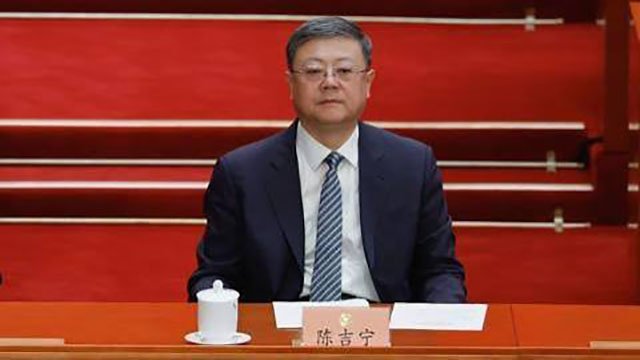
Myanmar’s leader Min Aung Hlaing has announced that the country will not comply with parts of the International Court of Justice (ICJ) genocide ruling that it considers inappropriate. His remarks mark the first public response from Myanmar’s leadership since the landmark decision, which found the country responsible for violating the 1948 Genocide Convention over its treatment of the Rohingya Muslim minority.
The statement has raised fresh concerns about Myanmar’s willingness to follow international legal obligations and implement the court’s decision. The ruling relates to the military crackdown launched in Rakhine State in 2017, which resulted in thousands of deaths and forced hundreds of thousands of Rohingya to leave their homes.
Speaking at a meeting on Wednesday, Min Aung Hlaing said Myanmar would take measures expected of a responsible country but would not accept requirements it viewed as inappropriate.
According to state media, he also argued that the use of the term genocide had seriously damaged Myanmar’s international reputation. However, he did not explain which specific parts of the court’s decision his government intended to reject.
ICJ Finds Myanmar Responsible for Genocide
The International Court of Justice delivered its landmark decision after examining allegations surrounding the 2017 military operations against the Rohingya population.
The case was filed by The Gambia in 2019 under the 1948 Genocide Convention. The country argued that Myanmar’s military operations against the Rohingya amounted to genocide and violated international law.
The proceedings focused on so-called clearance operations conducted by Myanmar’s military in Rakhine State, where a large proportion of the country’s Rohingya Muslim population lived.
The court determined that approximately 10,000 Rohingya people were violently killed during the military campaign. It also found that around 815,000 people had been targeted in some way during the operations.
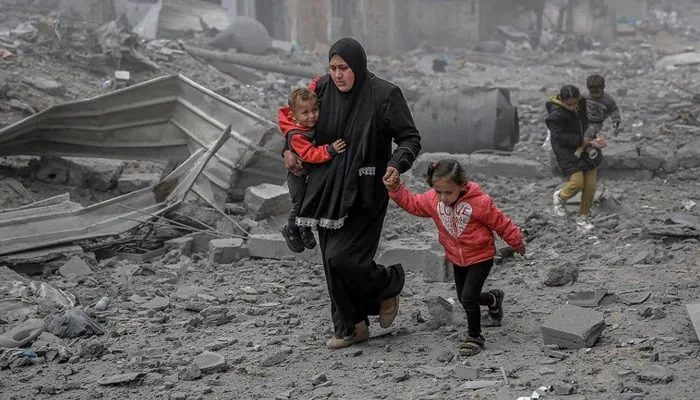
The violence forced more than 700,000 Rohingya to escape Myanmar, with many crossing into neighbouring Bangladesh on foot or by sea.
The findings highlighted the scale of the violence and the humanitarian consequences faced by the Rohingya community. Many displaced families have remained outside Myanmar since the 2017 crackdown.
Myanmar Continues to Deny Genocide Allegations
Myanmar has repeatedly rejected accusations that its military committed genocide against the Rohingya population.
Authorities have maintained that the 2017 operations were conducted in response to attacks by armed groups operating in Rakhine State. Myanmar has argued that its security forces were responding to threats rather than deliberately targeting civilians because of their ethnic or religious identity.
However, these arguments did not prevent the ICJ from finding violations of the Genocide Convention.
Min Aung Hlaing’s latest comments suggest that Myanmar’s leadership remains unwilling to accept every aspect of the court’s decision. His statement also indicates that the government may attempt to distinguish between measures it considers acceptable and those it believes are unjustified.
The absence of specific details has left questions about how Myanmar intends to respond to the ruling and whether it will fulfil its international responsibilities.
What the Ruling Means for Myanmar
The ICJ is the United Nations’ principal judicial body and handles legal disputes between countries. Its decisions carry significant international legal importance, particularly in cases involving serious violations of international conventions.
The Myanmar genocide ruling represents a major development in international efforts to establish accountability for the treatment of the Rohingya population.
The decision also places renewed attention on the country’s obligations under the Genocide Convention. Rejecting parts of the ruling could create further tensions between Myanmar and the international community.
For Rohingya survivors and displaced families, the court’s findings represent an important step towards recognition of the suffering they experienced. However, a legal decision alone cannot resolve the challenges facing hundreds of thousands of people who were forced to leave their homes.
Many Rohingya continue to face uncertainty about their future, including questions surrounding safe return, citizenship, security and basic rights.
International Attention Remains on the Rohingya Crisis
Min Aung Hlaing’s response is likely to keep international attention focused on Myanmar’s treatment of the Rohingya minority and its willingness to cooperate with international institutions.
The case has become one of the most significant international legal proceedings concerning alleged genocide in recent years. It also highlights the role of international courts in addressing allegations of mass atrocities and protecting vulnerable communities.
Although Myanmar says it will act as a responsible country, its refusal to comply with requirements it considers inappropriate raises concerns about the implementation of the court’s decision.
The coming months will be important in determining how Myanmar responds to its international legal obligations and whether meaningful steps are taken to address the consequences of the 2017 military crackdown.
The future of the Rohingya community remains uncertain, while the international community continues to watch how Myanmar handles one of the most serious legal challenges in its modern history.