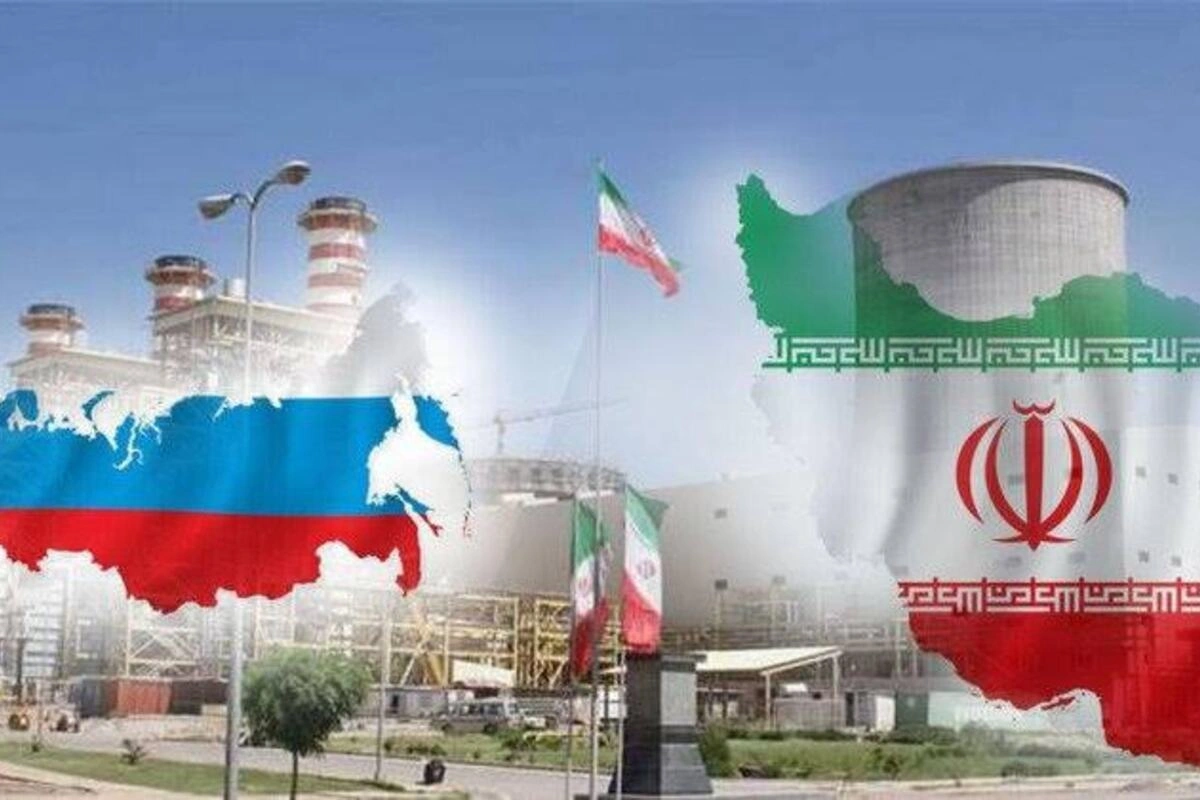
Iranian Foreign Minister Abbas Araghchi has called for stronger Iran Russia energy cooperation, arguing that closer coordination between major gas-producing countries is essential to protecting global energy security. His appeal comes amid heightened regional tensions, disruptions to energy supplies and growing concerns about the future of international fuel markets.
In an article published in the Russian newspaper Vedomosti, Araghchi linked the challenges facing global energy and food security to what he described as coercive US measures in the region. He also criticised recent US and Israeli military actions against Iran, which Tehran describes as unprovoked.
According to Araghchi, military operations and continued threats have contributed to the closure of the strategically important Strait of Hormuz, disrupting energy flows and creating particular concerns for Asian markets.
His remarks underline Tehran’s interest in strengthening its relationship with Moscow as both countries seek to expand cooperation in the energy sector amid uncertainty across international markets.
Strait of Hormuz Disruption Raises Energy Concerns
The Strait of Hormuz is one of the world’s most important maritime routes for transporting energy resources. Located between Iran and Oman, the waterway connects the Persian Gulf with the Gulf of Oman and international shipping routes beyond it.
Oil and liquefied natural gas shipments moving through the region are important to many countries, particularly major energy importers in Asia. Any prolonged disruption can create uncertainty over supply availability, shipping costs and international fuel prices.
Araghchi said the closure of the strait had affected global gas supplies and added pressure to energy markets already facing geopolitical uncertainty.
The consequences of disruptions depend on the duration of the closure, the volume of shipments affected and the ability of importers to secure supplies through alternative routes or other suppliers.
For countries heavily dependent on imported energy, prolonged instability can increase the cost of electricity generation, transportation and industrial production. Higher energy costs may also contribute to inflation and put pressure on household budgets.
These risks help explain why energy security remains central to diplomatic discussions involving Iran, Russia and other major producers.
Tehran Highlights Disputes With Washington
Araghchi also addressed diplomatic efforts between Tehran and Washington, referring to a Pakistan-mediated memorandum of understanding that he said included an agreement to reopen the Strait of Hormuz for a 60-day period.
According to the Iranian foreign minister, alleged US violations of the arrangement forced Tehran to reimpose the closure.
These claims reflect Iran’s position on the dispute. The account provided does not independently establish the circumstances surrounding the agreement, the alleged violations or the full sequence of decisions concerning the waterway.
The disagreement illustrates the difficulties involved in maintaining diplomatic arrangements during a military confrontation. Even when parties reach an understanding, disagreements over compliance and security guarantees can threaten its implementation.
The status of the Strait of Hormuz therefore remains closely linked to wider diplomatic and military developments. Any lasting improvement in shipping conditions would depend on the situation on the ground and the willingness of the parties involved to sustain an agreement.
Why Iran Wants Closer Energy Ties With Russia
Iran’s appeal for greater cooperation with Russia reflects the strategic importance of energy to both countries.
Both have significant natural gas resources and experience operating under Western sanctions, although their energy industries, export routes and commercial circumstances differ.
Closer coordination could involve discussions on energy policy, infrastructure, investment, technical cooperation and approaches to managing international market volatility. However, Araghchi’s call does not establish that a specific new agreement or joint project has been finalised.
For Tehran, stronger ties with Moscow could provide an additional channel for diplomatic coordination and energy-sector collaboration. Russia, meanwhile, has its own interests in maintaining international energy partnerships and adapting to changing trade patterns.
Nevertheless, cooperation between major producers does not automatically guarantee stable global supplies. Export capacity, infrastructure limitations, financing, political risks and demand from importing countries all influence how much energy can reach international markets.
Potential Impact on Asian Energy Markets
Asian economies are particularly sensitive to disruptions affecting major energy shipping routes because several rely heavily on imported oil and gas.
If supplies through the Strait of Hormuz remain restricted, importers may need to seek alternative suppliers, use available reserves or adjust purchasing strategies. Such responses can help reduce shortages, but they may also increase costs and intensify competition for available cargoes.
Businesses that depend on reliable energy supplies, including manufacturers, transport operators and power producers, could face additional financial pressure if prices rise.
However, the overall impact would depend on the duration and extent of the disruption, along with the availability of alternative supplies. Not every country or market would experience the same effects.
Araghchi’s appeal for Iran Russia energy cooperation highlights Tehran’s effort to strengthen ties with Moscow amid regional tensions and uncertainty over international energy supplies.
The immediate concern remains the security of the Strait of Hormuz and the implications of any prolonged disruption for global trade. Diplomatic developments, shipping conditions and energy-market responses will be important factors in determining the wider consequences.
Although closer coordination between Iran and Russia could create opportunities for cooperation, the effectiveness of such efforts will depend on practical agreements and broader market conditions.
The situation demonstrates how regional conflict can extend beyond military operations, affecting energy security, international trade and the economic stability of countries far from the immediate confrontation.