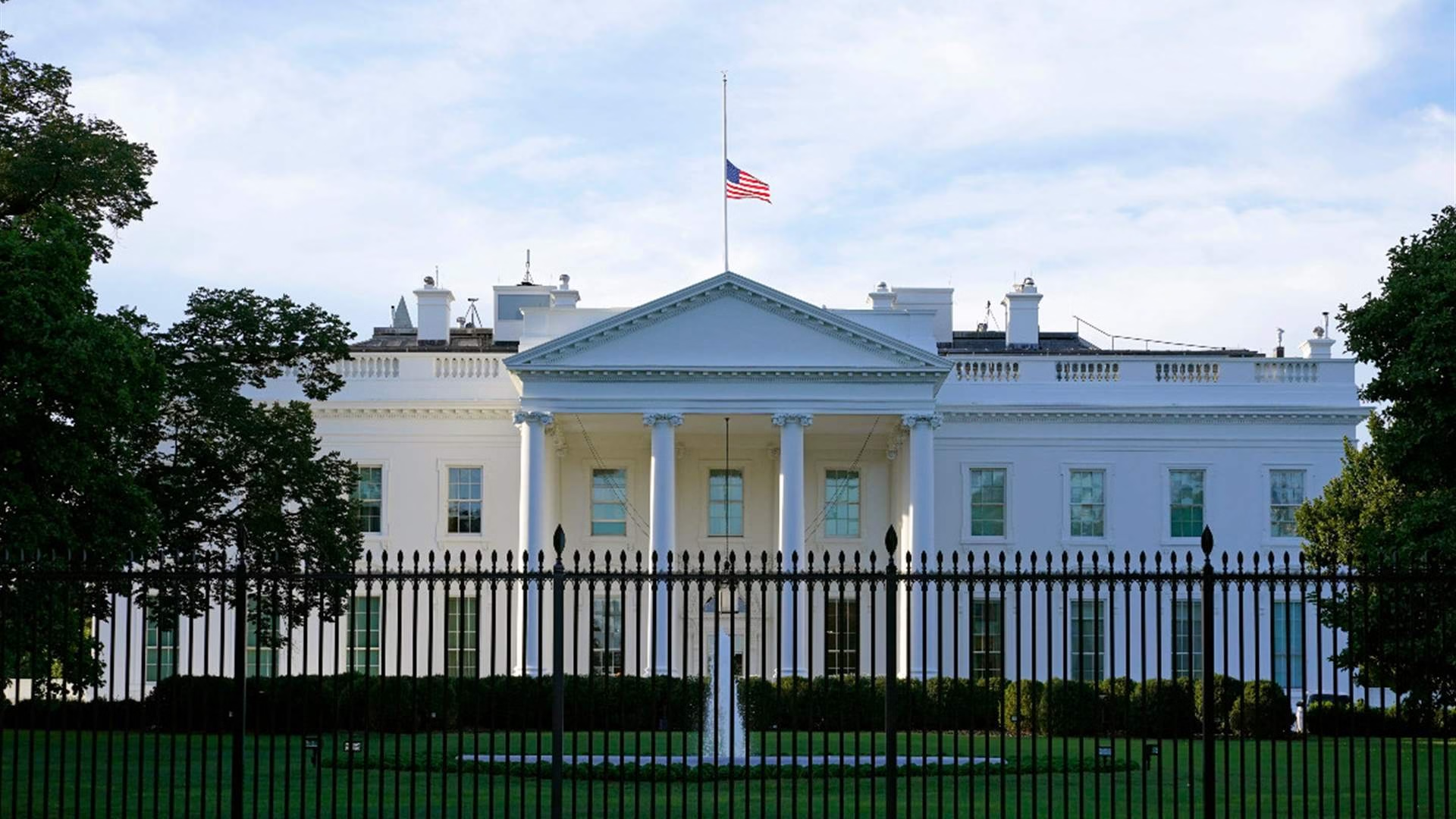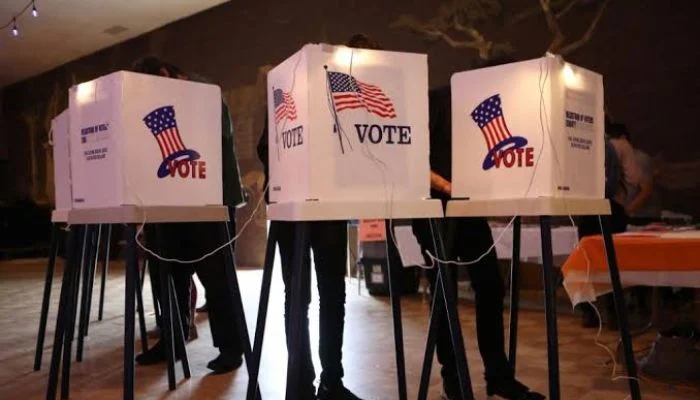
A federal noncitizen voting ruling in Miami has drawn national attention after U.S. District Judge David Leibowitz dismissed a criminal case against a Jamaican national accused of voting in the 2020 presidential election. In his October 1 decision, Leibowitz concluded that the federal statute used to prosecute the defendant was unconstitutional because, in his interpretation of the Constitution, Congress does not have the authority to establish voter qualifications.
The decision comes as the Trump administration has increased federal enforcement against alleged noncitizen voting ahead of the November midterm elections. The ruling does not establish a nationwide final resolution, and its legal implications could be affected by an appeal.
Miami Judge Dismisses Case
The case involved Chelsea Cox, who was charged in October 2025 with illegally voting in the 2020 presidential election. According to court filings, Cox entered the United States as a tourist in 1999 and later overstayed her visa.
Prosecutors alleged that she used a fraudulent U.S. Virgin Islands birth certificate to obtain a Florida driver’s license and register to vote in 2012. The federal prosecution focused on her alleged participation in the 2020 election.
Judge Leibowitz issued a 31-page order dismissing the case. His ruling focused primarily on the constitutional question of whether Congress has the power to determine voter qualifications for federal elections.
The noncitizen voting ruling therefore centered on federal authority rather than simply the facts surrounding Cox’s alleged ballot.
What the Judge Said About the Constitution
Leibowitz’s interpretation was based on the text and structure of the U.S. Constitution. He concluded that the authority to establish voter qualifications belongs to the states rather than Congress.
That distinction is important because the federal government has relied on a federal statute to prosecute people accused of voting in federal elections while not being U.S. citizens.
The ruling does not mean that noncitizens have generally been granted a federal right to vote. Instead, it challenges the constitutional authority behind the particular federal criminal statute used in Cox’s prosecution.
The noncitizen voting ruling could therefore lead to further legal arguments over the respective roles of Congress and the states in regulating federal elections.
Federal Enforcement Campaign
The case comes amid an expanded federal focus on election-related offenses involving noncitizens. The Justice Department has announced several prosecutions in recent months involving allegations of unlawful voting, fraudulent voter registration and false claims of U.S. citizenship.
For example, the Justice Department announced in September that several noncitizens had been charged in different states. Those cases involve allegations that remain subject to the criminal justice process, meaning defendants are presumed innocent unless proven guilty.
The continued prosecutions show that the Miami decision does not end federal enforcement efforts elsewhere. Other cases involve different facts, statutes and courts, and may proceed independently.
Debate Over Frequency of Noncitizen Voting
Noncitizen voting has become a major issue in the U.S. political debate, particularly during the Trump administration’s broader focus on election security.
Trump has repeatedly claimed that noncitizen voting contributed significantly to the outcome of the 2020 presidential election. However, election experts and available investigations have generally found illegal noncitizen voting to be rare. Reuters previously examined federal cases involving alleged noncitizen voting and reported that many defendants were lawful permanent residents who had registered mistakenly or received incorrect guidance.
At the same time, federal prosecutors continue to bring individual cases involving alleged violations. Recent Justice Department announcements show that such prosecutions remain an active part of federal election enforcement.
What Happens Next?
The noncitizen voting ruling is significant because it addresses the constitutional foundation of a federal criminal law rather than simply resolving one defendant’s case.
The ruling is also not automatically binding on courts across the United States. An appeal could bring the issue before a higher court, potentially creating further legal analysis of Congress’s authority over federal elections.
Cox’s attorney, Bruce Udolf, welcomed the decision and also urged authorities not to pursue deportation proceedings against his client, citing her declining health. The immigration consequences of the case are separate from the constitutional question decided by the judge.
Meanwhile, the federal government continues to prosecute other alleged election offenses under existing laws. The Justice Department recently announced additional cases involving noncitizens accused of voting illegally in federal elections.
A Case With Wider Legal Implications
The Miami decision has placed the question of federal authority over voter qualifications at the centre of a growing election-law debate. While the case concerns one defendant and one federal statute, the constitutional reasoning could influence future litigation if other courts are asked to consider the same issue.
For now, the noncitizen voting ruling represents a significant development in the legal dispute over how federal and state governments regulate participation in elections. Its longer-term impact will depend on any appeal and how other courts interpret the Constitution and relevant election laws.
As the November midterm elections approach, the issue is likely to remain part of the broader national discussion surrounding election administration, voter eligibility and the division of authority between federal and state governments.