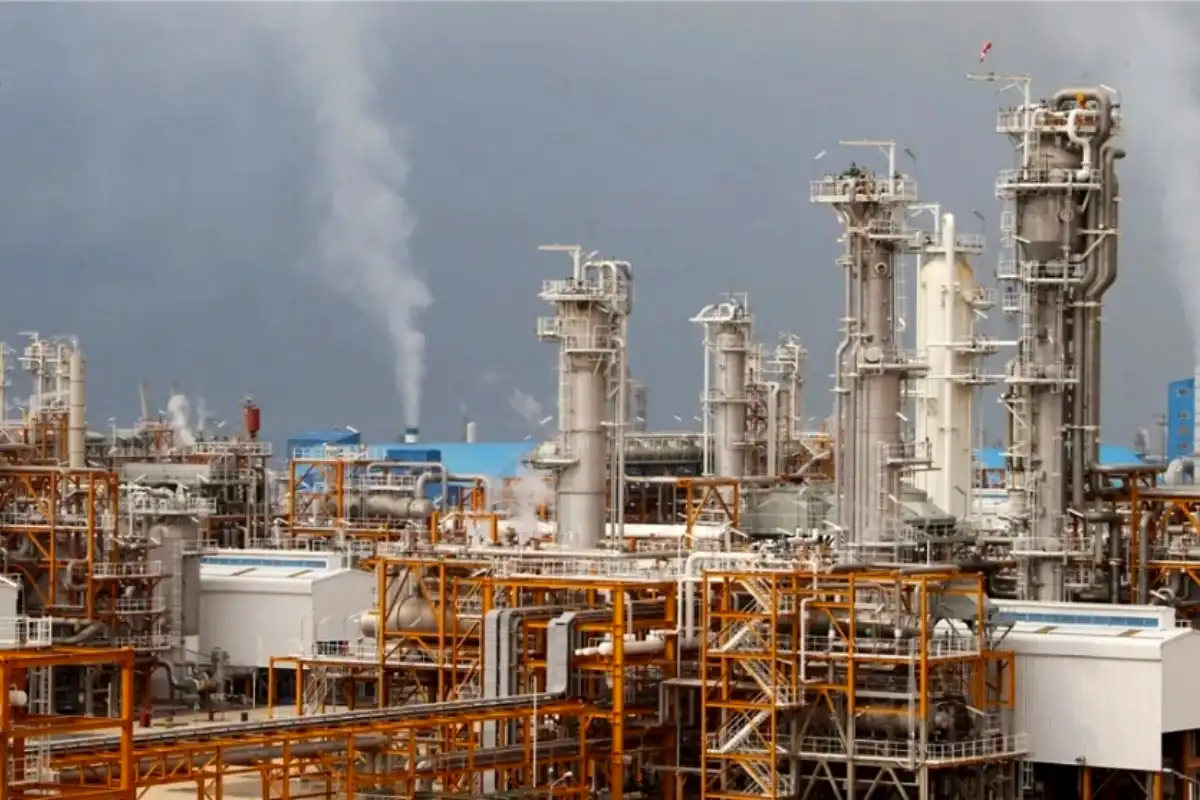
Iran has restored around 40% of the production capacity damaged at the South Pars gas field following US-Israeli attacks, according to Deputy Oil Minister for Planning Ahmad Zeraatkar. The South Pars gas field remains central to Iran’s energy system, and the early recovery highlights the efforts of Iranian engineers to restore critical infrastructure using domestic expertise and resources.
40% of Damaged Capacity Restored
Zeraatkar said approximately 40% of the damaged production capacity had already returned to service. Several affected units were repaired and brought back online earlier than initially expected, helping Iran maintain gas production despite the scale of the damage.
The official said the recovery demonstrated the ability of Iranian energy workers to respond quickly when vital facilities are damaged. Specialized teams worked continuously to remove debris, repair equipment and restore safe operating conditions.
However, the recovery does not mean the entire facility has returned to its previous condition. Zeraatkar estimated that complete reconstruction of the damaged sites would require at least two years because of the extent of the destruction.
Reconstruction Moves Forward
According to officials, debris removal has been completed at several affected facilities, allowing reconstruction activities to enter a new phase. Four domestic financing projects have also been established to support the work.
Gholamabbas Hosseini, managing director of the South Pars Gas Complex, said specialized teams completed debris removal at four damaged refineries through round-the-clock operations. Reconstruction is now being carried out using domestic capabilities.
Maintenance and equipment upgrades are also being undertaken to improve refinery readiness. Officials say particular attention is being given to maintaining stable production during the colder months, when demand for natural gas typically rises.
A significant development came with an agreement between Pars Oil and Gas Company and a consortium led by Shahr Bank to rebuild refineries serving phases 9 and 10.
Ebrahim Soleimani, acting project manager for the project, said debris removal and safety operations in the affected areas were completed in less than two months. Reconstruction subsequently moved into its implementation stage.
Why South Pars Matters
The South Pars gas field is located in Iran’s Persian Gulf waters and forms part of a massive shared gas reservoir with Qatar’s North Field. Its importance extends far beyond the energy industry because natural gas plays a major role in powering homes, businesses, factories and industrial facilities across Iran.
Damage to production and processing infrastructure can therefore create wider economic consequences. Maintaining output is particularly important ahead of winter, when household and industrial demand for gas increases.
Iranian officials have said the attacks were aimed at vital infrastructure and intended to place pressure on the wider population. Despite the damage, the government says the country managed to maintain its essential energy networks during the summer and is preparing for the upcoming winter season.
Repairs Show Domestic Capacity
Iran has already demonstrated that some facilities can be restored rapidly when damage is limited. At the Phase 14 refinery, three gas-sweetening trains reportedly suffered limited damage and were repaired and returned to production in less than 10 days.
Such repairs have helped reduce the immediate impact on gas supplies while longer-term reconstruction continues.
The recovery at the South Pars gas field also illustrates the importance of having domestic engineering and maintenance capabilities. Instead of waiting for extensive foreign assistance, Iranian companies and technical teams are handling significant parts of the restoration process themselves.
Iran Also Expands Fuel Production
Alongside repairing damaged gas infrastructure, Iran is working to increase its domestic gasoline production.
Mohammad-Sadegh Azimifar, managing director of the National Iranian Oil Products Refining and Distribution Company, said two new refineries — Adish Southern and Mehr Persian Gulf — are expected to begin operations by the end of the year.
Together, the projects are expected to increase gasoline production by approximately 12 million liters per day. Officials estimate that this would represent about 9% of Iran’s current gasoline consumption and could strengthen domestic fuel supplies.
The Adish Southern refinery is already receiving feedstock and undergoing commissioning, while the Mehr Persian Gulf project is also moving toward operation.
Pressure From Sanctions Continues
The reconstruction programme comes as Washington continues applying economic pressure on Tehran through sanctions and measures targeting Iran’s energy revenues and international trade.
Despite these restrictions, Iran continues to export crude oil, with China remaining a major customer. Chinese purchases of Iranian oil have reportedly remained relatively resilient despite US efforts to restrict Tehran’s energy income.
China has also criticized US sanctions affecting trade with Iran, describing such measures as unlawful.
Meanwhile, Tehran is seeking to make its energy system more resilient by focusing on energy efficiency, demand management and alternative sources of power. Iran is developing solar and nuclear energy while also examining alternative routes for energy exports.
A Long Road to Full Recovery
The restoration of 40% of damaged capacity represents an important step, but Iranian officials acknowledge that rebuilding the affected infrastructure will take considerably longer.
For now, the priority is to keep production stable while reconstruction proceeds. The South Pars gas field will remain particularly important as Iran prepares for higher winter demand and attempts to protect its energy system from further disruption.
The combination of rapid repairs, domestic financing, new refining projects and broader energy diversification suggests that Iran is pursuing a strategy focused not only on restoring damaged facilities but also on strengthening its energy resilience. Full reconstruction may take years, but the early return of production provides Tehran with some breathing room as it faces continuing economic and geopolitical pressure.