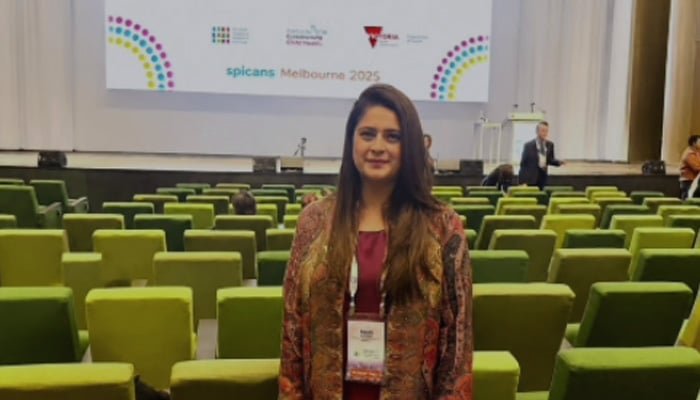
Pakistan has explored global child protection practices at the ISPCAN 2026 World Congress in Melbourne, seeking international experience that could help strengthen the country’s child protection system. The three-day event, held from August 24 to 26, brought together experts, policymakers, researchers, advocates and young people to discuss new approaches to child safety, prevention and healing.
Pakistan Joins Global Child Protection Discussions
The International Society for the Prevention of Child Abuse and Neglect (ISPCAN) World Congress provides an important international platform for countries to exchange knowledge and examine practical approaches to protecting children.
The 2026 congress was held under the theme “Transforming approaches to safety and healing.” Discussions focused on how governments, institutions and communities can develop stronger systems that respond effectively to risks faced by children.
The Pakistani delegation included Child Protection and Welfare Bureau Chairperson Sarah Ahmad, Human Rights Secretary Abdul Khaliq Sheikh and Human Rights Director Dr Arif.
Their participation allowed Pakistan to examine global child protection practices and consider how successful international approaches could be adapted to local circumstances.
Learning From International Experience
Child protection challenges differ from one country to another, but many nations face common issues involving abuse, neglect, exploitation, juvenile justice and online safety. International forums such as ISPCAN allow policymakers to compare different approaches and identify solutions that have produced positive results elsewhere.
During the congress, the Pakistani delegation held meetings with international experts and exchanged views on effective child protection mechanisms. The discussions provided an opportunity to understand how other countries have developed systems designed to identify risks early and provide appropriate support to vulnerable children.
Sarah Ahmad said the participation reflected Pakistan’s efforts to improve its child protection system through stronger legislation, institutional development and practical measures.
She emphasized that the government was working to ensure more effective protection of children’s rights. Learning from global child protection practices, she said, could help Pakistan improve the way its institutions respond to children and families.
Key Issues Discussed at the Congress
The ISPCAN 2026 agenda covered a wide range of issues connected with child safety and welfare. These included out-of-home care, youth justice, community-based prevention and digital safety.
Digital safety has become increasingly important as children spend more time online. Social media, online platforms and digital communication can create opportunities for education and connection, but they can also expose children to exploitation, harassment and other risks.
The congress also examined culture and diversity, recognizing that child protection policies need to consider different social and cultural environments.
Public health approaches were another important area of discussion. This reflects a broader understanding that child protection is not limited to law enforcement or emergency intervention. Health, education, social services and community institutions can all play a role in preventing harm.
Strengthening Pakistan’s Child Protection System
For Pakistan, adopting global child protection practices could provide useful guidance in several areas. A stronger system can help authorities identify vulnerable children earlier, improve reporting mechanisms and ensure that cases receive appropriate attention.
Effective legislation is an important foundation, but laws alone cannot protect children. Institutions need trained professionals, sufficient resources, clear procedures and coordination between government departments.
Child protection agencies also need to work closely with schools, healthcare providers, law enforcement agencies and communities. Such cooperation can help ensure that warning signs are recognized and that children receive support without unnecessary delays.
Pakistan’s participation in international discussions can therefore contribute to a broader review of existing mechanisms and highlight areas where further improvements may be needed.
Turning Knowledge Into Action
The value of international conferences ultimately depends on what happens after participants return home. The Pakistani delegation’s review of global child protection practices could be particularly useful if relevant ideas are translated into practical policies and programs.
Not every international model can be directly applied to Pakistan. Differences in population, resources, institutions, culture and legal structures must be considered. However, successful approaches can provide a starting point for developing solutions suited to local needs.
The exchange of expertise can also help Pakistani officials understand emerging challenges, particularly those connected with technology and changing social environments.
A Continued Focus on Children’s Rights
Pakistan’s participation in ISPCAN 2026 highlights the growing importance of building comprehensive systems for children’s safety and welfare. The focus should remain on creating environments where children can grow without fear of abuse, neglect or exploitation.
By studying global child protection practices, strengthening legislation and improving institutional coordination, Pakistan can work toward a more responsive and effective protection framework.
The Melbourne congress offered an opportunity to learn from international experience and establish connections with experts working on similar challenges around the world. The real measure of its success, however, will be whether the knowledge gained leads to stronger policies and better services for children in Pakistan.
A child protection system must ultimately be judged by how effectively it protects vulnerable children. Continued learning, institutional reform and practical action can help Pakistan move closer to that goal.