Trade Bodies Elections 2026 are set to introduce a new era of transparency, accountability, and digital governance for Pakistan’s business community. The Ministry of Commerce has announced a series of reforms aimed at ensuring that elections for chambers of commerce and trade associations are conducted in a fair, credible, and well-organized manner. With improved monitoring systems, digital tools, and stronger institutional oversight, the government hopes to strengthen confidence in the electoral process and improve the overall functioning of trade organizations across the country.
Government Pushes for Transparent Elections
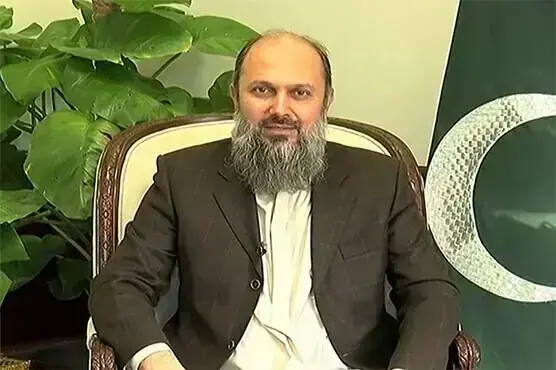
Federal Minister for Commerce Jam Kamal Khan has directed the Director General Trade Organisations (DGTO) to ensure that elections are held according to the highest standards of transparency and fairness.
The minister emphasized that trade organizations play an important role in representing Pakistan’s business community. Therefore, their leadership must be elected through a process that is impartial, well-documented, and free from unnecessary disputes.
To achieve this objective, the Ministry of Commerce is working closely with the DGTO to modernize election management and improve regulatory oversight.
Digital Transformation Takes Center Stage
One of the most significant features of Trade Bodies Elections 2026 is the introduction of digital election management.
The Ministry has instructed the DGTO to establish a dedicated online election portal where stakeholders can easily access important election-related information. The portal will include election schedules, legal guidelines, voter lists, official notifications, polling updates, and election results.
This digital platform is expected to make the election process more transparent by allowing candidates, voters, and trade organizations to access information in real time.
In addition, a digital monitoring dashboard will help authorities supervise election activities taking place across Pakistan.
Improved Documentation and Monitoring
The government has also introduced stricter documentation requirements for trade organizations.
All chambers of commerce and trade associations have been instructed to submit election schedules, voter lists, and final election results in digital format. This will improve record management while making it easier to monitor compliance with election rules.
Comprehensive Standard Operating Procedures (SOPs) are also being introduced to ensure that every trade organization follows the same election process.
Uniform procedures will help reduce confusion, improve consistency, and minimize the possibility of post-election disputes.
Independent Observers to Strengthen Credibility
To enhance public confidence, the DGTO has been provided with additional human resources for election monitoring.
Officials from the Ministry of Commerce, the Trade Development Authority of Pakistan (TDAP), the State Life Insurance Corporation, and other government institutions will serve as independent observers during the elections.
Their role will be to monitor polling activities, witness vote counting, and ensure that election procedures are followed properly.
Independent monitoring is expected to improve transparency while providing credible documentation if complaints or appeals arise after the elections.
Security and Administrative Support
The Ministry of Commerce is coordinating with provincial authorities to ensure smooth election operations, particularly in locations where large numbers of voters are expected.
Appropriate administrative arrangements and security measures will be implemented at major polling venues to maintain law and order.
A peaceful election environment is considered essential for ensuring that voters can participate freely and confidently.
These measures also demonstrate the government’s commitment to conducting elections without unnecessary disruptions.
Election Timeline for 2026
According to the DGTO, the election process for chambers of commerce and trade associations has already begun and will continue until September 30, 2026.
Following this phase, elections for the Federation of Pakistan Chambers of Commerce and Industry (FPCCI) will commence on October 1 and conclude by the end of December.
Approximately 380 registered trade organizations operate under the DGTO’s regulatory framework, with nearly 320 organizations scheduled to hold elections during this cycle.
This makes Trade Bodies Elections 2026 one of the country’s largest coordinated electoral exercises within the business sector.
Strengthening Pakistan’s Business Institutions
The latest reforms are not limited to election management alone.
Recent amendments to the Trade Organisations Act have introduced improvements designed to strengthen governance, accountability, and operational efficiency within Pakistan’s trade organizations.
The Ministry believes that modern regulations, combined with digital transformation, will enable chambers of commerce to better serve businesses, investors, and exporters.
Transparent leadership elections can also contribute to stronger institutional credibility, helping business organizations represent their members more effectively.
Benefits for the Business Community
Fair and transparent elections benefit both elected representatives and the businesses they serve.
When leadership is chosen through a credible process, members are more likely to trust organizational decisions and actively participate in chamber activities.
Digital systems also reduce paperwork, improve efficiency, and provide quick access to important election information.
Over time, these improvements can strengthen collaboration between the government and the private sector while supporting Pakistan’s broader economic development goals.
The success of Trade Bodies Elections 2026 will depend on the cooperation of trade organizations, election officials, candidates, and voters.
The Ministry of Commerce has emphasized the importance of neutrality, strict compliance with election laws, and equal treatment for all participants.
If implemented effectively, the new digital tools, independent monitoring, and standardized procedures could become a model for future organizational elections in Pakistan.
Modern governance practices within trade organizations can also encourage greater transparency across other sectors of the economy.
The upcoming Trade Bodies Elections 2026 represent an important milestone in Pakistan’s efforts to modernize the governance of chambers of commerce and trade associations. Through digital election management, stronger monitoring systems, independent observers, and improved regulatory oversight, the Ministry of Commerce aims to create a fair, transparent, and efficient electoral process.
These reforms have the potential to strengthen business institutions, increase confidence among stakeholders, and promote better representation for Pakistan’s commercial sector. As the election process continues throughout 2026, successful implementation of these initiatives could help build a more accountable and digitally connected business environment for years to come.