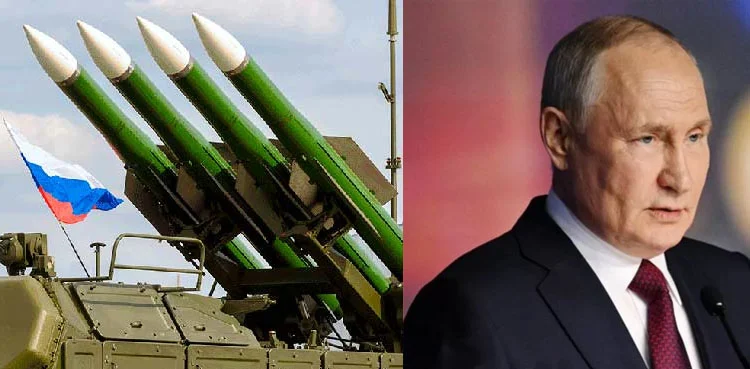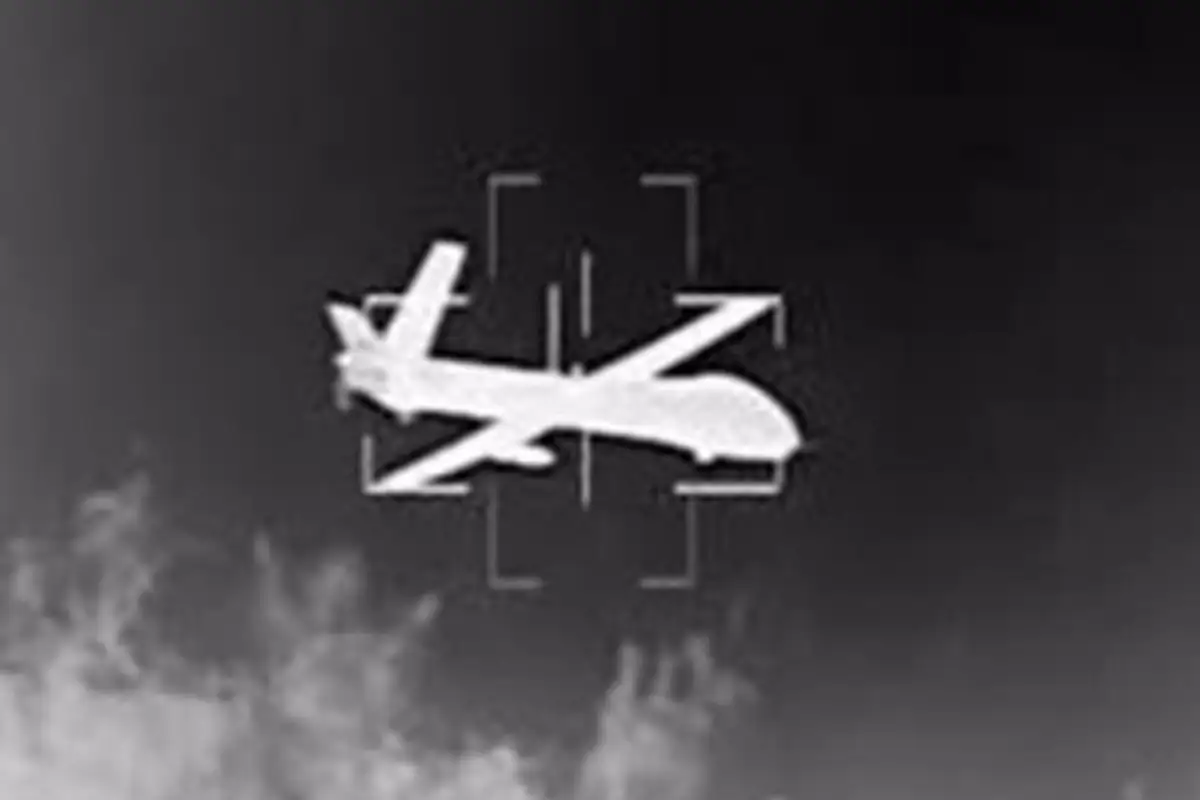
The MQ-9 Reaper Drone has once again become the center of regional security discussions after Iran’s Islamic Revolutionary Guard Corps (IRGC) claimed it had shot down a US-operated drone over the Strait of Hormuz using an advanced air defense system. While the claim has not been independently verified, it has drawn renewed attention to the role of unmanned aerial vehicles in modern warfare and the growing challenges they face in heavily defended airspace. The incident also highlights the broader military tensions between Iran and the United States in one of the world’s most strategically important regions.
IRGC Claims Successful Interception
According to the IRGC, its aerospace force intercepted an American MQ-9 Reaper Drone during an operation over the Strait of Hormuz. The organization stated that a modern air defense system was used to bring down the aircraft and indicated that additional information would be released later.
The Strait of Hormuz remains one of the world’s busiest maritime routes, making any military activity in the area a matter of international interest. Increased surveillance and military deployments have made the region particularly sensitive amid ongoing geopolitical tensions.
Why the MQ-9 Reaper Is Important
The MQ-9 Reaper is one of the United States’ most recognizable unmanned aerial systems. Developed by General Atomics, it is widely used for intelligence gathering, surveillance, reconnaissance, and precision strike missions.
Unlike earlier generations of drones, the Reaper can remain airborne for extended periods, monitor large areas, and support military operations with advanced sensors and communication systems.
Because of these capabilities, the aircraft has become a key component of US military operations in several regions around the world.
Reported Losses Raise Questions
Recent reports have suggested that the United States has experienced a growing number of MQ-9 losses during regional conflicts. According to publicly cited analyses, multiple drones have reportedly been destroyed during military operations over recent months.
If confirmed, these losses would represent a significant financial and operational challenge, as each MQ-9 Reaper carries a price tag of roughly $30 million.
Military planners must balance the aircraft’s advanced capabilities against the increasing sophistication of modern air defense systems.
Challenges in High-Threat Environments
One reason the MQ-9 Reaper Drone has received increased attention is its performance in contested airspace.
Originally designed for operations where enemy air defenses were relatively limited, the aircraft now faces more advanced radar systems, missile technology, and electronic warfare capabilities.
Countries investing heavily in integrated air defense networks have made drone operations considerably more difficult than in previous decades.
Military analysts believe that future unmanned systems may require improved stealth features, faster speeds, and stronger defensive technologies to remain effective in high-risk environments.
Strategic Importance of the Strait of Hormuz
The reported interception took place over the Strait of Hormuz, a narrow waterway connecting the Persian Gulf with the Gulf of Oman and the Arabian Sea.
A significant portion of the world’s oil exports passes through this strategic route every day. As a result, any military developments in the area attract global attention due to their potential impact on regional stability, energy markets, and international shipping.
The presence of naval forces and surveillance aircraft from multiple countries has made the region one of the world’s most closely monitored waterways.
Drone Warfare Continues to Evolve
Unmanned aerial systems have transformed modern military operations over the past two decades.
They provide intelligence, conduct surveillance, support targeting missions, and reduce risks to pilots during dangerous operations. However, as air defense technologies continue to improve, drones are facing increasing operational challenges.
Military organizations around the world are now investing in next-generation autonomous systems, artificial intelligence, electronic warfare protection, and improved communication technologies to maintain battlefield effectiveness.
The ongoing evolution of drone warfare is expected to influence future defense planning across many countries.
Impact on Military Planning
The reported incident underscores the growing importance of adapting military technology to changing battlefield conditions.
Defense experts believe future procurement decisions will increasingly focus on survivability rather than simply expanding fleet sizes.
Advanced counter-drone technologies, integrated missile defense systems, and electronic warfare capabilities are becoming central components of modern defense strategies.
Manufacturers are also expected to accelerate research into more resilient unmanned aircraft capable of operating in highly contested environments.
Regional Security Remains Sensitive
Although claims surrounding the latest incident have not been independently confirmed, they illustrate the continuing volatility in the region.
Military activity involving surveillance aircraft, naval deployments, and missile systems has increased significantly in recent years, contributing to heightened tensions.
Regional security developments are closely monitored because they have implications not only for neighboring countries but also for global trade routes and international energy supplies.
Diplomatic engagement remains an important factor in reducing the risk of further escalation.
The reported downing of a MQ-9 Reaper Drone has once again highlighted the growing role of unmanned systems in modern military operations and the evolving challenges they face against advanced air defense networks. Whether or not all operational claims are ultimately verified, the incident reflects the rapidly changing nature of aerial warfare and the increasing importance of technological innovation.
As nations continue investing in both offensive drone capabilities and defensive countermeasures, future conflicts are likely to place even greater emphasis on autonomous systems, electronic warfare, and integrated air defense. The developments surrounding the MQ-9 Reaper also demonstrate how military technology continues to shape strategic competition and regional security dynamics.