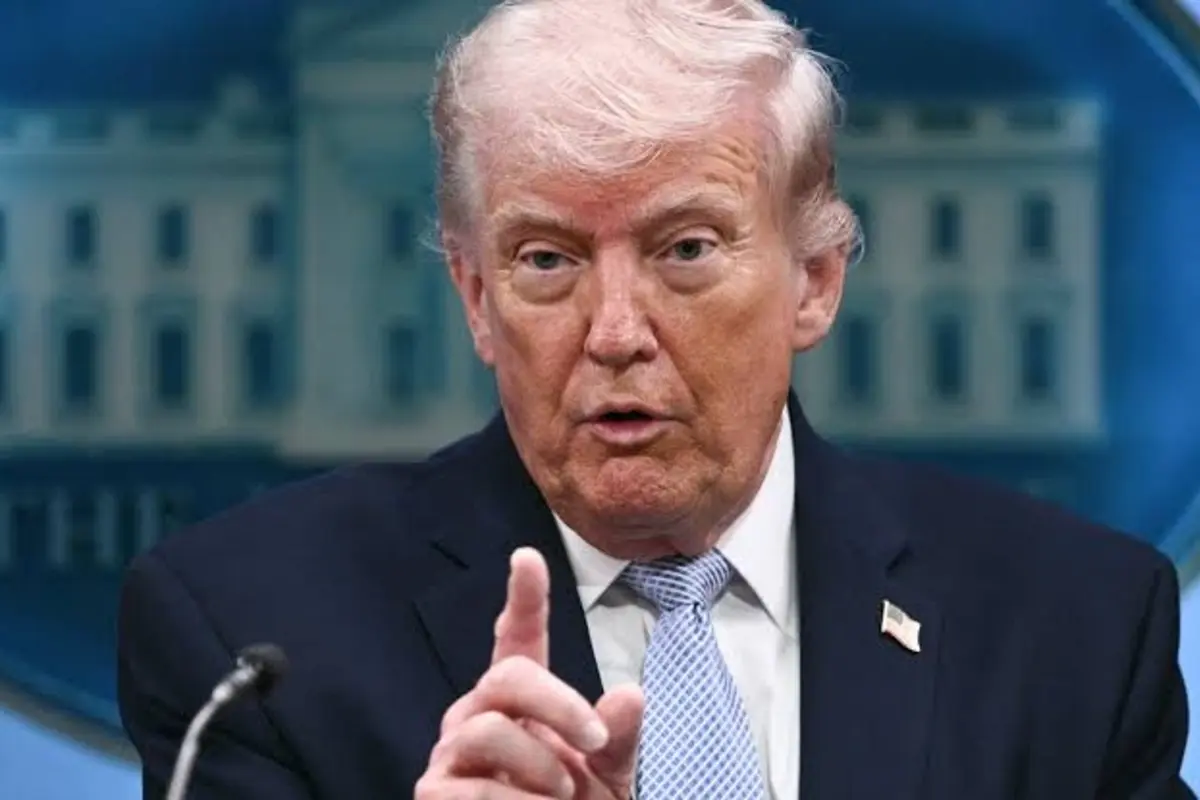
Trump on Iran has once again become a major topic in international politics after U.S. President Donald Trump reaffirmed his administration’s hardline position toward Tehran. Speaking in a telephone interview with a mainstream media outlet, Trump warned that the United States would not allow Iran to violate any future agreement. While emphasizing that diplomacy remains the preferred path, he also stated that the U.S. is prepared to take further action if negotiations fail.
The remarks come at a time when tensions surrounding Iran’s nuclear program continue to influence regional security and global diplomatic efforts. Trump’s latest comments signal that Washington intends to maintain strict oversight of any future agreement involving Tehran.
A Firm Message to Tehran
During the interview, President Trump stressed that the United States would closely monitor Iran’s compliance with any future agreement. He warned that if Tehran failed to honor its commitments, Washington would be ready to “complete the mission.”
Although Trump did not explain what specific actions that phrase referred to, his comments reinforced the administration’s determination to prevent Iran from violating future commitments.
The statement reflects the continued emphasis on accountability and verification as central elements of U.S. policy toward Iran.
Diplomacy Still the Preferred Option
Despite his strong language, Trump on Iran also highlighted diplomacy as the preferred course of action.
The U.S. president noted that negotiations remain the best way to resolve ongoing disputes over Iran’s nuclear activities. However, he made it clear that diplomatic efforts must produce meaningful and enforceable results.
This approach reflects a broader strategy that combines diplomatic engagement with continued pressure to encourage compliance with international commitments.
Officials have repeatedly argued that successful negotiations require both dialogue and credible enforcement mechanisms.
Energy Infrastructure Not the Primary Target
One notable aspect of Trump’s remarks was his statement regarding Iran’s energy facilities.
He indicated that the United States does not want to launch attacks on Iran’s energy infrastructure, suggesting that the administration seeks to avoid actions that could significantly disrupt global energy markets or escalate regional instability.
This distinction may be intended to reassure international partners concerned about the economic consequences of any broader military confrontation in the Middle East.
Protecting global energy stability remains an important consideration for governments and financial markets alike.
Nuclear Program Remains at the Center
The latest Trump on Iran comments come amid continued international attention on Iran’s nuclear program.
For years, concerns about uranium enrichment, nuclear inspections, and verification measures have remained central issues in discussions between Iran and world powers.
Many countries continue to emphasize the importance of preventing nuclear proliferation while supporting diplomatic solutions that promote regional stability.
Future negotiations are expected to focus on verification procedures, compliance mechanisms, and confidence-building measures designed to reduce the risk of renewed tensions.
Regional Security Concerns Continue
Beyond the nuclear issue, broader regional security remains an important factor influencing relations between Washington and Tehran.
Developments in the Persian Gulf, maritime security, regional conflicts, and military activities continue to shape diplomatic discussions between multiple countries.
Analysts believe that maintaining stability across the Middle East requires ongoing dialogue among regional and international stakeholders.
Any significant escalation could have wider implications for trade routes, energy supplies, and international security.
Global Markets Watching Closely
Statements from senior political leaders often influence financial markets, particularly when they involve major geopolitical issues.
Investors closely monitor developments involving Iran because uncertainty in the region can affect oil prices, energy markets, and broader investor confidence.
While Trump’s comments did not announce any immediate policy changes, they reinforced the administration’s commitment to maintaining pressure while leaving room for diplomacy.
Financial markets generally respond not only to concrete actions but also to signals regarding future policy direction.
International Reactions Expected
The latest remarks are likely to draw attention from governments involved in ongoing diplomatic efforts related to Iran.
Countries supporting negotiations typically encourage continued dialogue while emphasizing the importance of respecting international agreements and reducing regional tensions.
Observers expect diplomatic channels to remain active as all parties evaluate future opportunities for negotiations.
Successful diplomacy will likely depend on building trust, ensuring transparency, and creating effective mechanisms for monitoring compliance.
The future of U.S.-Iran relations will depend on developments in diplomatic negotiations, regional security conditions, and the willingness of all parties to engage constructively.
While President Trump emphasized a firm approach toward Tehran, he also acknowledged that diplomacy remains the preferred solution. His comments suggest that the United States seeks an agreement that includes strong enforcement measures while avoiding unnecessary escalation.
As discussions continue, policymakers, investors, and international observers will closely follow future developments. Whether negotiations ultimately lead to a durable agreement or renewed tensions, the issue will remain one of the most significant challenges in international diplomacy.
Trump on Iran reflects a strategy that combines diplomatic engagement with a clear warning that any future agreement must be fully respected. The coming months will determine whether those negotiations can produce lasting stability or whether further disagreements will shape the next chapter in U.S.-Iran relations.