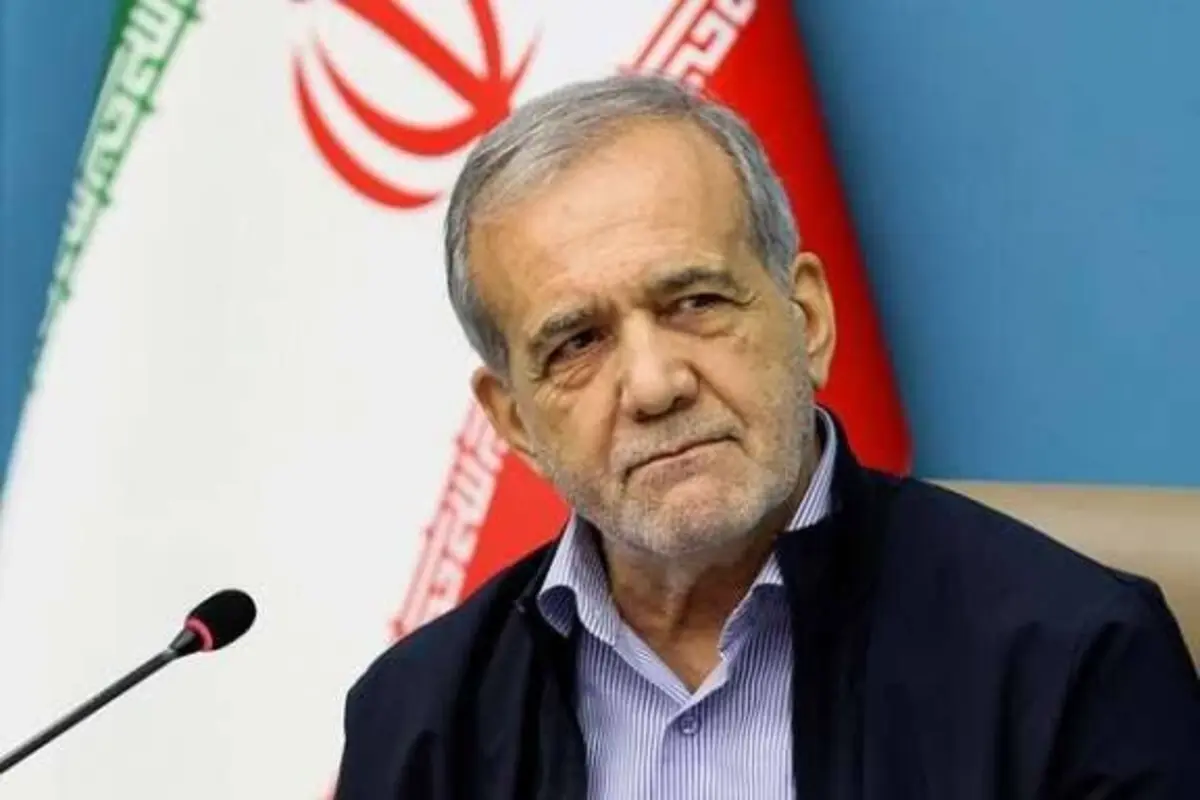
Iranian President Masoud Pezeshkian has congratulated six senior officials following their appointment to key positions within Iran’s military leadership, emphasizing the importance of coordination, preparedness and technological development in strengthening the country’s defense capabilities.
In a message to Major General Ali Abdollahi on Tuesday, Pezeshkian highlighted the strategic importance of the Chief of Staff of the Armed Forces and expressed confidence that Abdollahi’s extensive experience would help him carry out his new responsibilities. The president said protecting Iran’s security, independence and territorial integrity requires constant vigilance, coordination and comprehensive readiness.
Focus on Military Coordination
Masoud Pezeshkian stressed that cooperation among Iran’s armed forces is essential for maintaining national security. He argued that military strength is not determined only by the size or capabilities of individual forces but also by their ability to operate together effectively.
The president’s remarks come as Iran seeks to strengthen coordination among its different military institutions and improve their ability to respond to changing security challenges.
According to Pezeshkian, effective coordination can help ensure that Iran’s defense organizations make better use of their resources and respond more efficiently to emerging threats.
The appointment of senior officials therefore represents more than a routine change in leadership. It also provides an opportunity to improve institutional cooperation and strengthen strategic planning.
Abdollahi Takes Key Role
Major General Ali Abdollahi has been appointed Chief of Staff of Iran’s Armed Forces, one of the country’s most strategically important military positions.
In his message, Masoud Pezeshkian referred to Abdollahi’s previous command responsibilities and his record of service in defending Iran. He said this background would be valuable as Abdollahi assumes responsibility for coordinating the country’s armed forces.
The Chief of Staff plays an important role in military planning and coordination, making the position central to Iran’s broader defense structure.
Pezeshkian’s message also emphasized the need for the country’s military leadership to remain prepared while adapting to developments in modern warfare and defense technology.
Technology and Scientific Expertise
A key element of the president’s message was the importance of scientific knowledge and modern technology.
Masoud Pezeshkian said Iran’s national strength depends not only on traditional military capabilities but also on the effective use of scientific expertise and advanced defense technologies.
Modern militaries increasingly rely on technologies such as artificial intelligence, advanced communications, surveillance systems, cyber capabilities and precision systems. Developing expertise in these areas can influence how countries prepare for future security challenges.
For Iran, technological development is therefore becoming an increasingly important component of its defense strategy.
The president called for scientific capabilities to be integrated into the country’s broader defense efforts, suggesting that researchers, engineers and military institutions all have roles to play in strengthening national security.
Armed Forces as a Pillar of National Security
Masoud Pezeshkian described Iran’s armed forces as a fundamental pillar of the country’s power, security and independence.
His comments underline the importance his administration places on maintaining a capable and coordinated defense establishment.
He also linked national strength with unity and cooperation. From this perspective, military preparedness depends not only on equipment and personnel but also on institutional coordination and a shared understanding of national priorities.
The president’s remarks suggest that Iran intends to maintain a strong focus on readiness while also improving cooperation among its defense institutions.
Broader Significance of the Appointments
The appointment of six senior officials comes at a significant time for Iran’s security establishment. Leadership changes at senior military levels can influence strategic priorities, command structures and institutional coordination.
For the government, maintaining continuity while bringing experienced officials into important positions can help ensure that defense institutions remain prepared to address changing circumstances.
Masoud Pezeshkian has emphasized that these responsibilities require both experience and forward-looking planning. His support for Abdollahi reflects the importance attached to leadership, coordination and professional expertise.
At the same time, the emphasis on technology indicates that Iran views scientific development as an important part of its long-term defense planning.
The president’s message provides an indication of the priorities Iran wants to emphasize under its new military leadership: readiness, coordination, scientific expertise and technological advancement.
Masoud Pezeshkian has made clear that safeguarding Iran’s independence and territorial integrity requires cooperation across the armed forces and continued investment in modern capabilities.
As the newly appointed officials begin their responsibilities, their ability to strengthen coordination and translate these priorities into institutional policies will be closely watched.
For Iran, the challenge will be to combine established military experience with modern technology and scientific expertise while maintaining effective coordination across its defense institutions. The latest appointments are therefore being presented as part of a broader effort to reinforce the country’s security and defense framework.