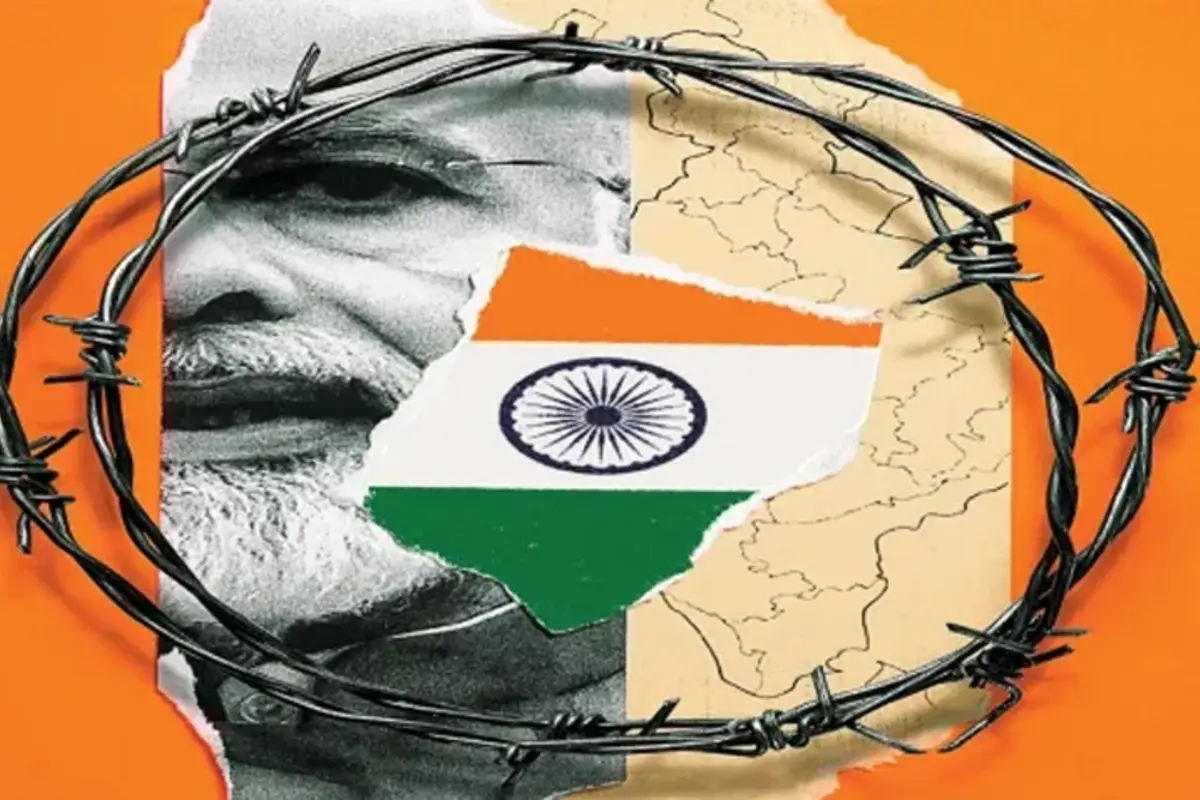
The rise of Hindutva Politics has become one of the most widely discussed aspects of Prime Minister Narendra Modi’s leadership in India. Supporters argue that the current government has strengthened national identity, accelerated economic development, and enhanced India’s global standing. Critics, however, believe that Hindutva Politics has contributed to growing political polarization, concerns over minority rights, and increasing debates about democratic institutions. As India continues to evolve, the discussion surrounding governance, nationalism, and constitutional values remains central to both domestic and international conversations.
Understanding Hindutva Politics
Hindutva is often described as a political and cultural ideology that emphasizes India’s Hindu civilizational heritage. Over the past decade, it has become closely associated with the Bharatiya Janata Party (BJP) under Narendra Modi’s leadership.
Supporters view this ideology as a way to strengthen national unity, preserve cultural traditions, and promote patriotism. They argue that India should celebrate its historical identity while pursuing economic modernization and technological progress.
Critics, on the other hand, argue that the growing influence of Hindutva Politics risks marginalizing religious minorities and changing the country’s secular foundations. They believe nationalism should remain inclusive in a nation known for its religious, cultural, and linguistic diversity.
Economic Growth and Infrastructure Development
One of the strongest arguments made by supporters of the Modi government is its focus on economic reforms and infrastructure.
During Modi’s tenure, India has witnessed major investments in highways, railways, airports, digital governance, and public infrastructure. Programs aimed at expanding financial inclusion, digital payments, manufacturing, and technology have also gained international attention.
Government supporters argue that these initiatives have modernized India’s economy and improved service delivery. India’s growing role in global manufacturing, technology, and foreign investment is frequently highlighted as evidence of these achievements.
However, critics maintain that economic growth has not benefited all sections of society equally. They argue that unemployment, income inequality, and regional disparities remain significant challenges despite impressive macroeconomic indicators.
Minority Rights and Social Polarization
Perhaps the most controversial aspect of Hindutva Politics involves debates surrounding religious minorities.
Various human rights organizations, journalists, and civil society groups have expressed concerns about incidents of communal violence, hate speech, and discrimination targeting minority communities. They argue that stronger institutional responses are necessary to maintain social harmony.
Government representatives reject allegations that such incidents reflect official policy, stating that criminal acts are investigated according to the law and that India remains committed to constitutional principles.
This difference in interpretation has fueled continuous political debate, both within India and internationally.
Democracy and Constitutional Institutions
India’s Constitution guarantees equality before the law, freedom of religion, and protection against discrimination. These constitutional safeguards remain at the center of ongoing legal and political discussions.
Several controversial issues, including citizenship policies, religious conversion laws, freedom of expression, and public protests, have frequently reached India’s courts.
Supporters argue that judicial oversight demonstrates the resilience of India’s democratic institutions.
Critics, however, claim that increasing political influence over public institutions raises questions about institutional independence and democratic accountability. These concerns continue to shape discussions among legal experts, academics, and civil society organizations.
Media Freedom and Public Debate
The media landscape has become another major point of discussion.
Independent journalists and press freedom advocates have raised concerns about pressure on media organizations and shrinking space for investigative journalism. International watchdog groups have also published reports examining press freedom in India.
Meanwhile, government officials and supporters argue that India’s media remains vibrant, diverse, and highly competitive. They frequently accuse sections of international media of presenting biased or selective narratives about developments in the country.
As a result, media credibility itself has become part of the broader political debate.
Civil Society and Public Protests
Public demonstrations have remained an important feature of India’s democracy throughout the Modi era.
Large-scale protests related to agriculture, education, employment, citizenship, and social policies have attracted national and international attention. These movements demonstrate the active participation of citizens in democratic processes.
Supporters of the government argue that maintaining public order is essential during mass protests. Critics counter that authorities should ensure peaceful demonstrations while fully protecting constitutional rights to free expression and assembly.
Balancing security and civil liberties continues to be a difficult challenge for any democratic government.
India’s Growing Global Influence
Despite domestic political debates, India has significantly expanded its international presence.
The country has strengthened strategic partnerships with major global powers, increased its influence within international organizations, and positioned itself as a leading voice for the Global South.
Supporters believe this reflects stronger leadership and a more confident foreign policy.
At the same time, international organizations continue to monitor India’s performance regarding religious freedom, civil liberties, minority protections, and democratic governance. These differing assessments illustrate the complexity of evaluating one of the world’s largest democracies.
The Continuing Debate
The legacy of Narendra Modi’s leadership remains a subject of intense discussion both inside and outside India.
Supporters view the current era as one of national resurgence, economic modernization, stronger governance, and enhanced global influence. Critics argue that concerns regarding political polarization, minority rights, institutional independence, and democratic freedoms deserve continued attention.
Ultimately, Hindutva Politics represents a broader debate about the future direction of India. Questions surrounding nationalism, secularism, constitutional values, and democratic accountability are likely to remain central to political discourse for years to come.
As India continues its development journey, the country’s long-term legacy will be judged not only by economic achievements but also by the strength of its democratic institutions, protection of constitutional rights, social harmony, and the ability of every citizen—regardless of religion, caste, or background—to participate equally in the nation’s future.