Iran Foreign Policy remains centered on the principles of sovereignty, dignity, and national independence, according to a recent statement issued by Iran’s Foreign Ministry. Released during the public funeral ceremonies for the late Supreme Leader Ayatollah Seyyed Ali Khamenei in Tehran, the statement reaffirmed the country’s commitment to preserving its strategic direction and protecting its national interests. Officials emphasized that Iran intends to continue following the policies and diplomatic approach established under Khamenei’s leadership.
The statement comes at a significant moment in Iran’s modern political history, as thousands of mourners gathered in Tehran to pay tribute to the late leader. Government officials described the occasion as both a period of national remembrance and a reaffirmation of the country’s long-term political and diplomatic vision.
Commitment to National Sovereignty
At the heart of Iran Foreign Policy is the principle of safeguarding national sovereignty. The Foreign Ministry stressed that protecting the country’s independence remains a top priority regardless of changing regional or international circumstances.
Iranian officials stated that the country’s diplomatic strategy will continue to emphasize self-reliance, resistance to external pressure, and the protection of national interests. According to the ministry, these principles have shaped Iran’s foreign relations for decades and will continue guiding future diplomatic decisions.
The statement also highlighted the importance of maintaining political independence while strengthening regional partnerships and international engagement based on mutual respect.
Continuing the Leadership Legacy
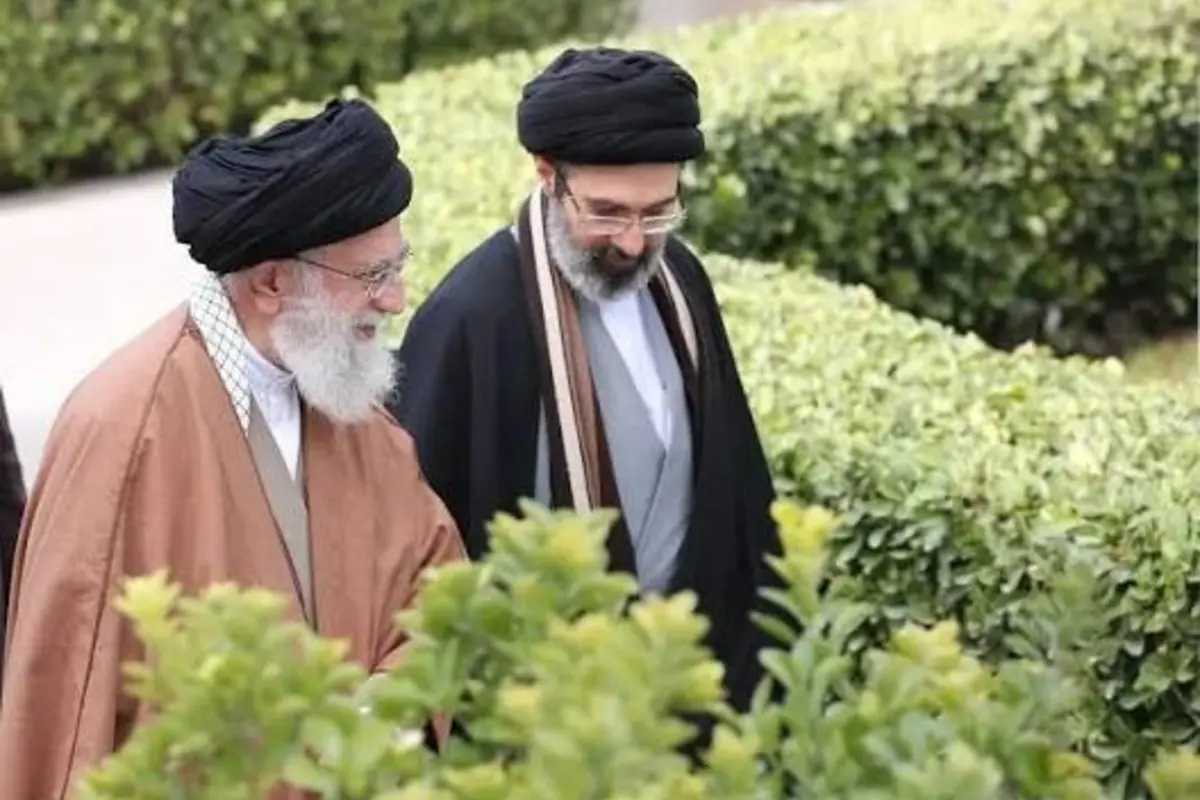
The Foreign Ministry described Ayatollah Seyyed Ali Khamenei’s leadership as a defining influence on the country’s diplomatic and strategic direction.
Officials stated that Iran Foreign Policy will continue along the path established during his tenure, particularly regarding national security, regional stability, and independent decision-making.
Government representatives believe that maintaining consistency in foreign affairs provides stability during periods of political transition. They argued that preserving existing diplomatic principles reflects continuity rather than significant policy changes.
According to the ministry, Iran remains committed to protecting its sovereignty while pursuing constructive engagement with countries that respect its independence.
Funeral Ceremonies Draw Large Crowds
The statement coincided with the beginning of public funeral ceremonies held in Tehran, where thousands of people gathered to honor the late Supreme Leader.
The memorial events attracted religious scholars, government officials, military representatives, and citizens from across Iran. Authorities implemented extensive security and transportation arrangements to accommodate the large number of participants attending the ceremonies.
Officials described the public gatherings as a symbol of national unity during an important period in the country’s history.
Regional and International Attention
Recent developments have drawn considerable international attention as governments and analysts closely monitor Iran’s political transition.
Many observers consider leadership changes in Iran significant because of the country’s influence on regional politics and Middle Eastern diplomacy.
While interpretations of recent events differ among various countries, Iran Foreign Policy continues to receive close attention from neighboring states, international organizations, and global political analysts seeking to understand the country’s future direction.
Diplomatic experts believe that continuity in foreign policy may help maintain stability during the transition period.
Position on External Pressure
The Foreign Ministry’s statement also emphasized Iran’s longstanding position regarding external pressure and foreign influence.
Officials reiterated that the country intends to make independent policy decisions without accepting outside interference. According to the ministry, national strength depends on preserving political independence while remaining prepared to respond to evolving regional developments.
This position has remained a consistent feature of Iran Foreign Policy over many years and continues to shape official government messaging.
Iranian leaders argue that protecting sovereignty requires balancing diplomacy with national security considerations while maintaining dialogue where mutual respect exists.
Accountability and Historical Perspective
The statement also referred to Ayatollah Khamenei’s death, describing it as a major turning point in Iran’s contemporary history.
Iranian officials reiterated their position regarding the circumstances surrounding the incident and stated that they intend to continue seeking accountability through appropriate channels. At the same time, international perspectives on these events differ, and many aspects remain subject to ongoing political discussion.
Government representatives stated that the country’s diplomatic institutions will continue working to protect Iran’s interests while presenting their position to the international community.
Future Diplomatic Priorities
Looking ahead, analysts expect Iran to continue focusing on several key diplomatic priorities.
These include strengthening regional cooperation, expanding economic partnerships, maintaining national security, and protecting strategic interests through diplomatic engagement.
The Foreign Ministry indicated that Iran Foreign Policy would continue emphasizing dialogue where possible while defending national sovereignty whenever necessary.
Observers believe that maintaining consistency in diplomatic strategy could help reduce uncertainty during leadership transitions while preserving long-term policy objectives.
The latest statement from Iran’s Foreign Ministry reinforces the country’s commitment to sovereignty, independence, and continuity in its diplomatic approach. As public funeral ceremonies continue in Tehran, officials have emphasized that Iran Foreign Policy will remain guided by principles they believe protect national interests and preserve political independence.
While international opinions regarding recent regional events continue to differ, Iran’s leadership has made clear that it intends to maintain its established diplomatic direction. As the country enters a new phase of its political history, regional governments and international observers will continue watching closely to see how these policies evolve in the months and years ahead.