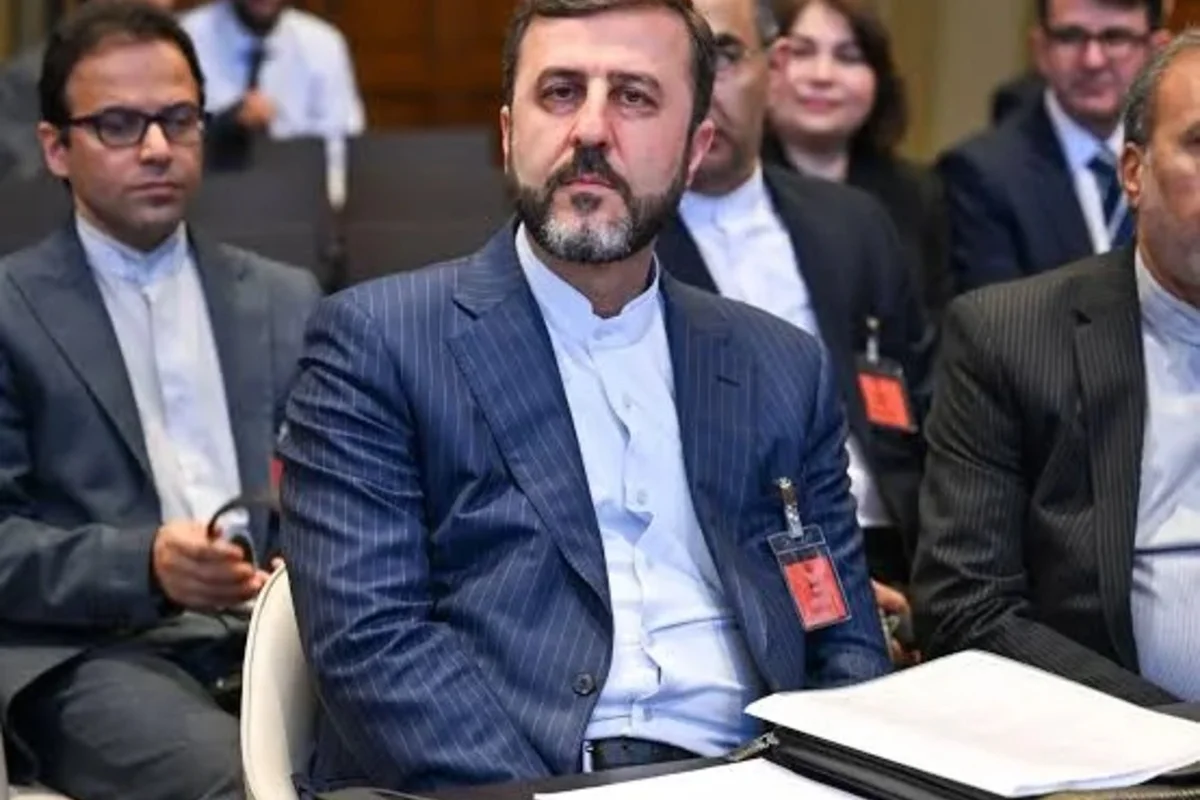
Iran has issued a strong Iran nuclear attack warning, declaring that it would not limit its response to diplomatic protests or legal action if nuclear weapons were used against the Islamic Republic. Deputy Foreign Minister for Legal and International Affairs Kazem Gharibabadi said Tehran’s options would depend on the circumstances and scale of such an attack, emphasizing that Iran’s “hands are not tied.”
The remarks underline growing concerns about nuclear threats and their potential consequences for regional stability and international security. Gharibabadi’s statement also raises questions about the credibility of global agreements designed to prevent the spread and use of nuclear weapons.
Iran Says Its Response Would Go Beyond Legal Measures
Speaking to reporters on Monday, Gharibabadi stressed that Iran would not simply rely on international institutions if it faced a nuclear attack. While diplomatic engagement and legal remedies remain available options, he indicated that they would not necessarily be sufficient in such an extreme situation.
According to the deputy foreign minister, Tehran would take the measures it considered necessary based on the nature of the threat. His comments did not outline specific military or other actions, but made clear that Iran was unwilling to commit itself to a response restricted to international legal channels.
The Iran nuclear attack warning reflects the country’s stated position that the use of nuclear weapons against it would represent an extraordinary threat requiring a response beyond conventional diplomatic procedures.
Gharibabadi’s remarks also serve as a message to countries that possess nuclear weapons, particularly those whose officials might publicly raise the possibility of using them against Iran.
Concerns Over the Nuclear Non-Proliferation Treaty
A central part of Gharibabadi’s statement focused on the Nuclear Non-Proliferation Treaty (NPT), one of the most important international agreements governing nuclear weapons.
The treaty aims to prevent the spread of nuclear weapons, promote cooperation on peaceful nuclear technology and support progress towards nuclear disarmament. It provides the foundation for much of the international community’s efforts to manage nuclear risks.
Gharibabadi argued that an official threat by a nuclear-armed state to use nuclear weapons against Iran would seriously damage the treaty’s credibility.
He suggested that when political, military or government officials from a nuclear-armed NPT member openly threaten another country with nuclear weapons, it could weaken confidence in the international system.
Such statements, he warned, could create doubts about whether existing non-proliferation commitments offer meaningful protection to countries that do not possess nuclear weapons.
Could Nuclear Threats Encourage Other Countries to Change Policies?
The Iranian diplomat also warned that nuclear threats could influence the security calculations of other countries.
If states begin to believe that international agreements cannot protect them from nuclear coercion, they may reconsider their existing defence policies. Gharibabadi suggested that countries could feel compelled to take additional measures they consider necessary for their own security.
This is a significant concern for the international non-proliferation framework. The effectiveness of nuclear agreements depends not only on formal commitments but also on confidence that countries will respect their obligations.
A weakening of that confidence could make diplomatic efforts to prevent nuclear proliferation more difficult. Countries that previously relied on international guarantees and agreements might increasingly focus on independent security arrangements.
However, such developments are not inevitable. Their likelihood would depend on the actions of governments, international institutions and the wider diplomatic environment.
Potential Consequences for Regional and Global Security
The Iran nuclear attack warning comes amid wider concerns about the consequences of nuclear threats in an already sensitive regional environment.
Any actual use of nuclear weapons would have consequences extending far beyond the immediate target. The humanitarian impact, environmental damage and risk of further escalation could affect multiple countries.
Even without an attack, public threats involving nuclear weapons can increase tensions, reduce diplomatic flexibility and make negotiations more difficult.
Gharibabadi warned that such developments could undermine international efforts to prevent nuclear proliferation and create wider instability. His comments reflect Tehran’s concern that nuclear intimidation could weaken established international rules and encourage other countries to reconsider their security strategies.
For the international community, preventing such an outcome requires effective communication, responsible public statements and renewed commitment to nuclear risk reduction.
International Diplomacy Remains Important
Although Gharibabadi emphasized that Iran would not restrict itself to legal and diplomatic responses in the event of a nuclear attack, his remarks also highlight the importance of international agreements.
The NPT and other diplomatic frameworks remain central to efforts to reduce nuclear risks. Maintaining their credibility requires consistent commitments from nuclear-armed states and confidence among countries that rely on the international system.
Iran’s position is that threats of nuclear weapons use could undermine those efforts and create pressure for countries to adopt different security policies.
The Iran nuclear attack warning highlights a wider challenge facing global diplomacy: preventing nuclear threats from becoming a normal part of international relations. Whether through diplomatic engagement, international institutions or broader security arrangements, reducing the risk of nuclear escalation remains a major concern for regional and global stability.