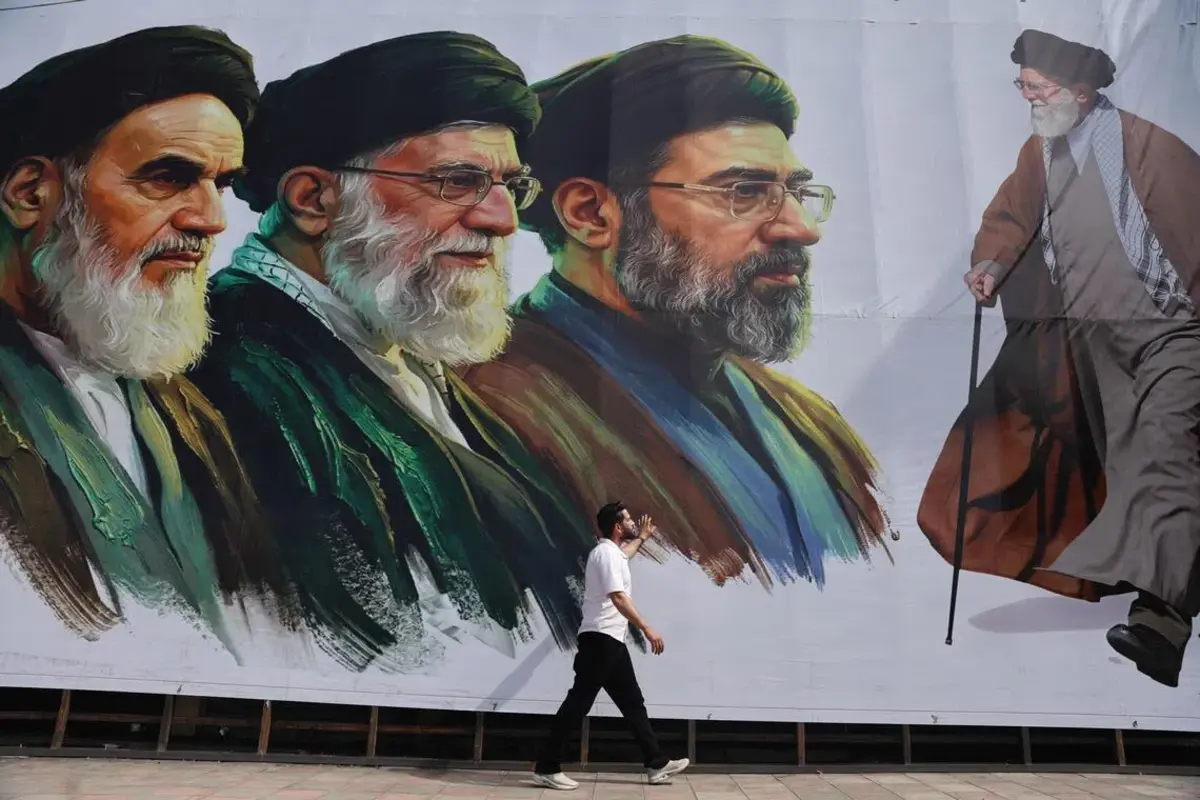
The Ayatollah Khamenei cultural legacy continues to be a topic of discussion among writers, historians, and political observers examining Iran’s modern development. According to Tehran-based writer and critic Sheida Eslami, the cultural influence of Ayatollah Seyyed Ali Khamenei extends beyond politics and governance, encompassing literature, education, science, and artistic expression. She argues that understanding this cultural dimension is essential for anyone seeking a broader perspective on contemporary Iran and its evolving national identity.
Iran’s Rich Cultural Heritage
Iran is recognized as one of the world’s oldest civilizations, with a history spanning thousands of years. Throughout its long history, the country has produced renowned philosophers, scientists, poets, scholars, and artists whose work has influenced cultures across Asia, the Middle East, and beyond.
Persian literature, architecture, philosophy, and scientific discoveries remain important parts of global civilization. Figures such as Ferdowsi, Hafez, Rumi, Avicenna, and Omar Khayyam continue to inspire readers and researchers worldwide.
Sheida Eslami believes this deep historical foundation continues to shape Iran’s cultural identity today.
Cultural Development After the Islamic Revolution
According to Eslami, the period following the Islamic Revolution brought significant developments in various intellectual fields. She highlights growth in education, scientific research, technology, and cultural activities as important milestones during the country’s modern history.
In her view, these developments helped create opportunities for scholars, researchers, and artists to contribute to national progress.
She connects much of this evolution to the leadership vision established by Ayatollah Seyyed Ruhollah Khomeini and later continued under Ayatollah Seyyed Ali Khamenei.
While opinions on Iran’s political history differ internationally, Eslami argues that its cultural progress deserves independent attention.
Understanding the Ayatollah Khamenei Cultural Legacy
The Ayatollah Khamenei cultural legacy is presented by Eslami as an important aspect of his public role that often receives less international attention than political or diplomatic issues.
She believes discussions surrounding leadership frequently emphasize government policies, international relations, or security matters while overlooking cultural initiatives that influence everyday society.
According to her perspective, Ayatollah Khamenei consistently emphasized education, literature, intellectual debate, and cultural preservation alongside broader national development.
This approach, she argues, helped reinforce the importance of knowledge and creativity within Iranian society.
Culture as the Foundation of National Identity
One of Eslami’s central arguments is that culture cannot be separated from politics or economics.
She describes culture as the foundation upon which societies build their collective identity, values, traditions, and long-term aspirations.
Without a strong cultural framework, she believes sustainable development becomes far more difficult.
The Ayatollah Khamenei cultural legacy, in this context, represents an effort to encourage intellectual growth while preserving national traditions and historical identity.
For many observers inside Iran, cultural preservation remains closely connected to education, language, literature, and artistic expression.
The Role of Education and Knowledge
Education has long been considered one of the pillars of national development.
Eslami highlights how scientific research and higher education have expanded significantly over recent decades, contributing to technological advancement and innovation.
Universities, research institutions, and scientific communities continue playing important roles in various sectors, including engineering, medicine, and technology.
She argues that encouraging intellectual growth remains one of the defining features associated with Iran’s long-term development strategy.
Within this broader framework, the Ayatollah Khamenei cultural legacy is often linked to supporting learning, scholarship, and national self-reliance.
Supporting Arts and Intellectual Expression
Beyond science and education, Eslami also discusses the importance of artistic and cultural expression.
Literature, poetry, cinema, visual arts, and traditional Persian culture continue to occupy an important place within Iranian society.
She believes creative expression contributes to preserving historical identity while allowing new generations to engage with contemporary issues.
According to her analysis, cultural investment helps strengthen public awareness, historical understanding, and national confidence.
This perspective views artistic development as an essential component of social progress rather than simply entertainment.
Different Perspectives on Cultural Leadership
Like many public figures with long leadership roles, Ayatollah Khamenei’s influence is interpreted differently by observers across the world.
Supporters often highlight his emphasis on education, cultural preservation, and scientific advancement as important elements of national development.
Critics, meanwhile, may focus more heavily on political and governance-related issues.
Eslami argues that regardless of differing political viewpoints, examining the cultural dimension provides a more complete understanding of Iran’s modern history.
She believes discussions surrounding leadership become more balanced when intellectual and cultural contributions receive equal attention.
Why Culture Remains Important
In today’s rapidly changing world, many countries are investing heavily in preserving cultural identity while embracing technological progress.
Iran is no exception.
Eslami maintains that ideas, creativity, education, and shared values continue shaping national development just as much as economic policies or political institutions.
She believes culture influences how societies respond to challenges, preserve traditions, and prepare future generations for global competition.
For this reason, cultural discussions remain highly relevant in understanding Iran’s future direction.
The Ayatollah Khamenei cultural legacy remains an important topic for those interested in Iran’s intellectual and cultural development. According to Sheida Eslami, leadership should be evaluated not only through political decisions but also through its influence on education, scientific progress, literature, and artistic expression. She argues that culture serves as the foundation of national identity and plays a lasting role in shaping society’s future.
As debates continue about Iran’s political and historical evolution, examining its cultural achievements provides valuable context for understanding the country’s broader vision of development. Whether viewed from a historical, academic, or cultural perspective, the relationship between leadership, knowledge, and national identity continues to be an important subject in discussions about contemporary Iran.