Federal Budget Cooperation has emerged as a central theme in Pakistan’s political and economic discussions as the government works toward securing approval for the fiscal year 2026-27 budget. Prime Minister Shehbaz Sharif recently emphasized the importance of coordination between the federal and provincial governments, highlighting that national development and economic stability depend on collective efforts rather than isolated decision-making.
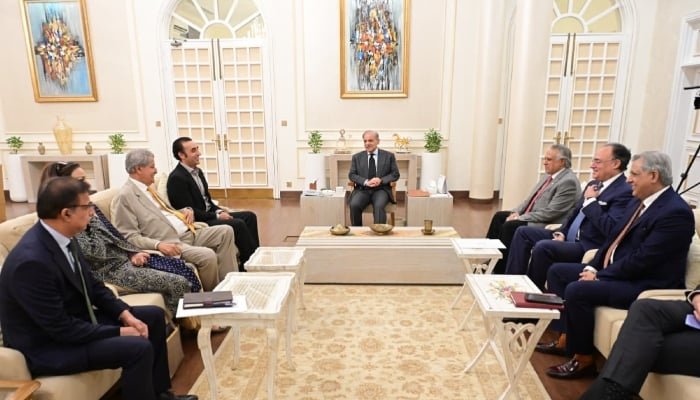
The discussion gained further attention during a meeting between Prime Minister Shehbaz Sharif and Pakistan Peoples Party (PPP) Chairman Bilawal Bhutto-Zardari. The meeting focused on the federal budget, development projects, national priorities, and the broader economic direction of the country.
Why Federal and Provincial Coordination Matters
Pakistan operates under a federal system where both the central government and provincial administrations share responsibilities in governance and development. Major sectors such as education, healthcare, infrastructure, and local development require strong collaboration between all levels of government.
The prime minister stressed that Federal Budget Cooperation is necessary to ensure that public projects are completed on time and that citizens receive improved services. Without effective coordination, development initiatives often face delays, funding challenges, and administrative hurdles.
As Pakistan continues its efforts to strengthen economic growth, policymakers believe that better cooperation can help maximize the impact of public spending while reducing inefficiencies.
PPP’s Concerns Over Budget Allocations
While discussions between the government and its allies remain ongoing, reports indicate that the PPP has raised concerns regarding certain budgetary allocations and financial adjustments.
According to political sources, the party supported grants associated with national defense due to the current security environment. However, concerns were reportedly expressed regarding allocations that could be interpreted as politically motivated.
These discussions reflect the importance of consensus-building during the budget approval process. In democratic systems, budget debates allow political parties to review spending priorities and ensure that public funds are allocated transparently and effectively.
The ongoing dialogue demonstrates that Federal Budget Cooperation involves not only administrative coordination but also political understanding among different stakeholders.
Development Projects Remain a Priority
One of the major topics discussed during the meeting was the progress of development projects across Pakistan, particularly in Sindh. Both leaders reviewed ongoing initiatives and explored ways to improve collaboration between federal and provincial institutions.
Development projects play a critical role in economic growth by creating jobs, improving infrastructure, and enhancing public services. Roads, energy projects, water schemes, and urban development programs often require support from both provincial and federal authorities.
By strengthening Federal Budget Cooperation, the government aims to ensure that these projects receive adequate funding and are completed without unnecessary delays.
Such efforts can have a direct impact on citizens by improving transportation networks, healthcare facilities, educational institutions, and access to essential services.
Economic Challenges and Opportunities
The federal budget for FY2026-27 comes at an important time for Pakistan’s economy. Policymakers are attempting to maintain economic stability while addressing fiscal pressures, managing inflation, and encouraging investment.
Budget decisions influence nearly every aspect of economic activity. Government spending affects infrastructure development, social welfare programs, public sector operations, and private-sector confidence.
Experts believe that successful Federal Budget Cooperation can create a more stable environment for economic planning and help attract domestic and foreign investment. Investors often look for policy consistency and effective governance when making long-term decisions.
A coordinated approach can also improve resource allocation and reduce duplication of efforts between different levels of government.
Strengthening National Unity Through Collaboration
Beyond financial matters, cooperation between political parties and government institutions can contribute to greater national unity. The meeting between Prime Minister Shehbaz Sharif and Bilawal Bhutto-Zardari demonstrated the importance of dialogue in addressing national challenges.
Both leaders agreed that continued collaboration between federal and provincial governments is essential for achieving long-term development goals. Their discussions reflected a shared understanding that economic progress requires cooperation rather than confrontation.
This approach becomes particularly important during periods of economic uncertainty, when governments must work together to implement reforms and maintain public confidence.
Strong Federal Budget Cooperation can help build trust among stakeholders and create a more predictable policy environment for businesses and citizens alike.
As the budget approval process moves forward, attention will remain focused on how the government addresses concerns raised by coalition partners and provincial stakeholders. Constructive discussions and consensus-building will be essential to ensure smooth implementation of budgetary measures.
The coming months will reveal how effectively policymakers can translate their commitments into action. Success will depend on maintaining open communication, resolving differences through dialogue, and prioritizing national interests.
The debate surrounding Pakistan’s fiscal year 2026-27 budget highlights the growing importance of Federal Budget Cooperation in shaping the country’s future. Prime Minister Shehbaz Sharif’s emphasis on coordination reflects a broader recognition that economic growth, infrastructure development, and public welfare require collective effort.
By working together, federal and provincial governments can improve project delivery, strengthen economic stability, and create better opportunities for citizens. As budget discussions continue, effective cooperation may prove to be one of the most important factors in Pakistan’s path toward sustainable development and long-term prosperity.