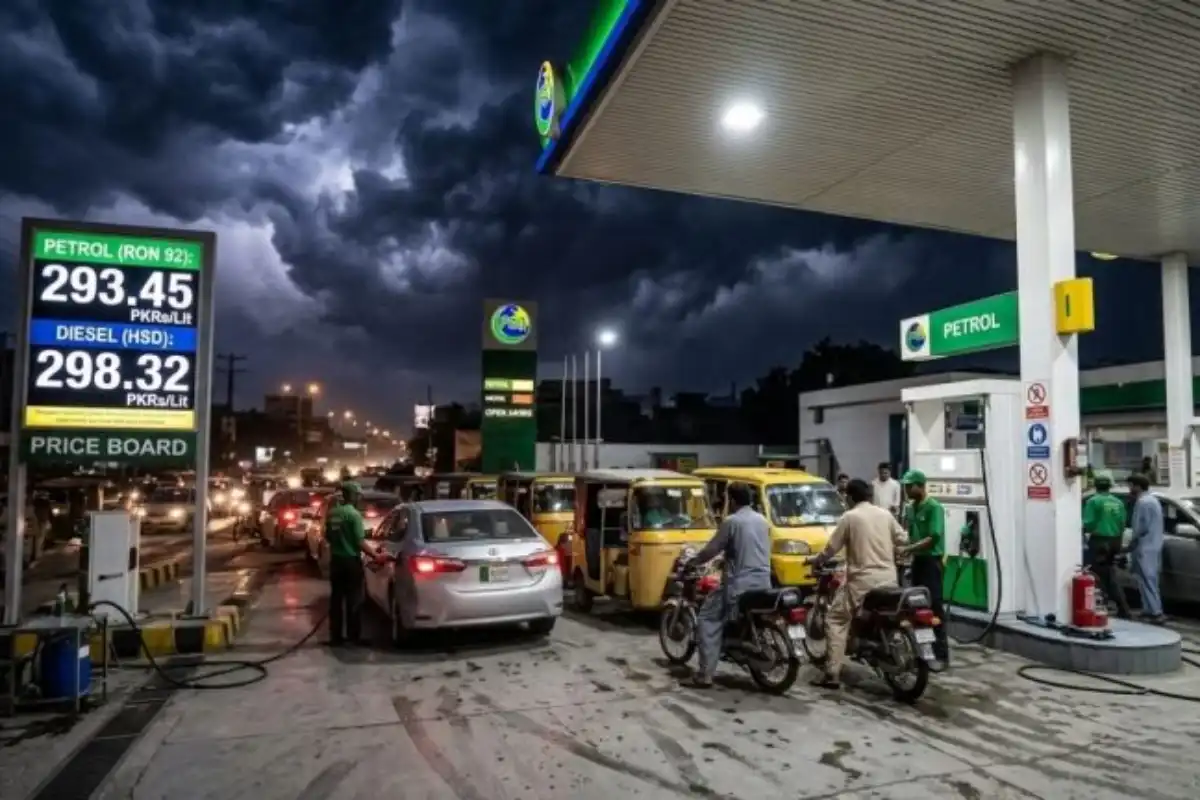
The recent decline in global crude oil prices has sparked optimism among consumers and businesses in Pakistan. The possibility of lower fuel costs has emerged after reports of progress in diplomatic efforts between the United States and Iran, leading to a noticeable drop in international oil markets. This development has brought the focus on Pakistan fuel prices, as many experts believe that local consumers could soon benefit if the downward trend continues.
Global energy markets reacted quickly to reports suggesting a potential peace agreement between Washington and Tehran. Reduced tensions in the Middle East, particularly around the strategically important Strait of Hormuz, have eased concerns about oil supply disruptions. As a result, crude oil prices fell significantly, creating hope for countries that rely heavily on imported energy resources.
Global Oil Prices See Significant Decline
The decline in oil prices was substantial enough to attract the attention of economists and policymakers worldwide. Brent crude, the benchmark used for many international transactions, dropped to around $83.70 per barrel. Meanwhile, West Texas Intermediate (WTI) crude fell to approximately $80.76 per barrel.
For Pakistan, which imports a large portion of its energy requirements, these changes are highly relevant. Lower international oil prices generally reduce the cost of importing petroleum products, which can eventually influence Pakistan fuel prices at the consumer level.
The drop comes after months of uncertainty in global markets due to regional conflicts and concerns about energy security. Investors responded positively to signs that diplomatic negotiations may reduce the risk of further escalation in the Gulf region.
How International Oil Prices Affect Pakistan
Pakistan’s economy remains highly sensitive to fluctuations in global oil prices. Every increase or decrease in crude oil costs has a direct impact on transportation, industrial production, electricity generation, and household expenses.
The Oil and Gas Regulatory Authority (OGRA) reviews petroleum prices every two weeks. During these reviews, authorities consider several factors, including international crude oil prices, exchange rate movements, taxes, and government-imposed levies.
When crude prices decline internationally, there is usually pressure to adjust Pakistan fuel prices downward. However, the extent of the reduction depends on fiscal policies and economic considerations. The government often balances consumer relief with revenue requirements and commitments related to economic reforms.
Potential Relief for Consumers
Energy analysts suggest that if current market trends continue, consumers may witness a significant reduction in fuel costs during upcoming pricing reviews.
Some experts estimate that petrol prices could fall considerably if global crude remains at current levels. Such a reduction would provide much-needed relief to households struggling with inflation and rising living expenses.
Lower Pakistan fuel prices would not only benefit vehicle owners but also help businesses reduce operational costs. Transport companies, logistics providers, and manufacturing industries would experience lower fuel expenses, potentially leading to reduced prices for goods and services.
Impact on Inflation and Economy
Fuel prices influence almost every sector of the economy. Transportation costs affect the movement of food, consumer products, and industrial materials. As a result, changes in fuel costs often have a ripple effect across the market.
If Pakistan fuel prices decrease substantially, inflationary pressure could ease in several sectors. Lower transportation expenses may help stabilize food prices, while manufacturers could benefit from reduced production costs.
Additionally, lower oil import costs would decrease pressure on Pakistan’s foreign exchange reserves. Since energy imports account for a significant portion of the country’s import bill, cheaper crude oil can help reduce the demand for foreign currency and support economic stability.
Economists often view lower energy prices as a positive factor for countries facing fiscal challenges, especially those dependent on imported fuel.
The Role of the US-Iran Negotiations
The current market optimism is closely linked to diplomatic developments between the United States and Iran. Investors believe that a successful agreement could improve regional stability and ensure uninterrupted energy supplies through key shipping routes.
The Strait of Hormuz remains one of the world’s most important oil transit points. Any reduction in tensions surrounding this area immediately influences market sentiment.
However, analysts caution that the situation remains fluid. Oil prices are highly sensitive to geopolitical events, and any setback in negotiations could quickly reverse recent gains.
Because of this uncertainty, predictions regarding future Pakistan fuel prices should be viewed with cautious optimism rather than certainty.
What Consumers Should Expect
While the recent decline in global oil prices is encouraging, local consumers should remember that domestic fuel pricing involves multiple factors beyond international crude rates.
Currency fluctuations, taxation policies, and government revenue needs all play important roles in determining retail fuel costs. Even so, sustained declines in crude oil prices increase the likelihood of meaningful relief at the pump.
For now, many Pakistanis are closely watching upcoming government pricing announcements. If global market conditions remain favorable, consumers could soon see lower fuel costs and some relief from ongoing inflationary pressures.
The recent fall in global crude oil prices has created renewed hope for lower Pakistan fuel prices in the weeks ahead. Improved diplomatic relations between the United States and Iran have eased market concerns and pushed oil prices downward.
If the trend continues, Pakistan could benefit through lower fuel costs, reduced inflation, and a smaller energy import bill. While uncertainties remain, the current developments offer a positive outlook for consumers and businesses alike. The coming weeks will determine whether these international market changes translate into real savings for people across the country.