The Pakistan Russia trade corridor cooperation is entering a new phase as Pakistan moves closer to joining the International North-South Transport Corridor (INSTC), a major multimodal trade route linking Eurasia with South Asia. This development signals a strategic shift in regional connectivity, with Russia supporting a potential extension of the route through Gwadar Port, strengthening both economic and geopolitical ties.
According to federal officials, this initiative is part of a broader partnership framework between Pakistan and Russia that extends toward 2030, focusing on trade expansion, energy cooperation, and regional integration.
Growing Momentum in Pakistan-Russia Economic Ties
Over the past two decades, Pakistan and Russia have gradually transformed their diplomatic relationship from limited engagement to a more structured and cooperative partnership. The latest push for Pakistan Russia trade corridor cooperation reflects this growing trust and shared interest in regional economic development.
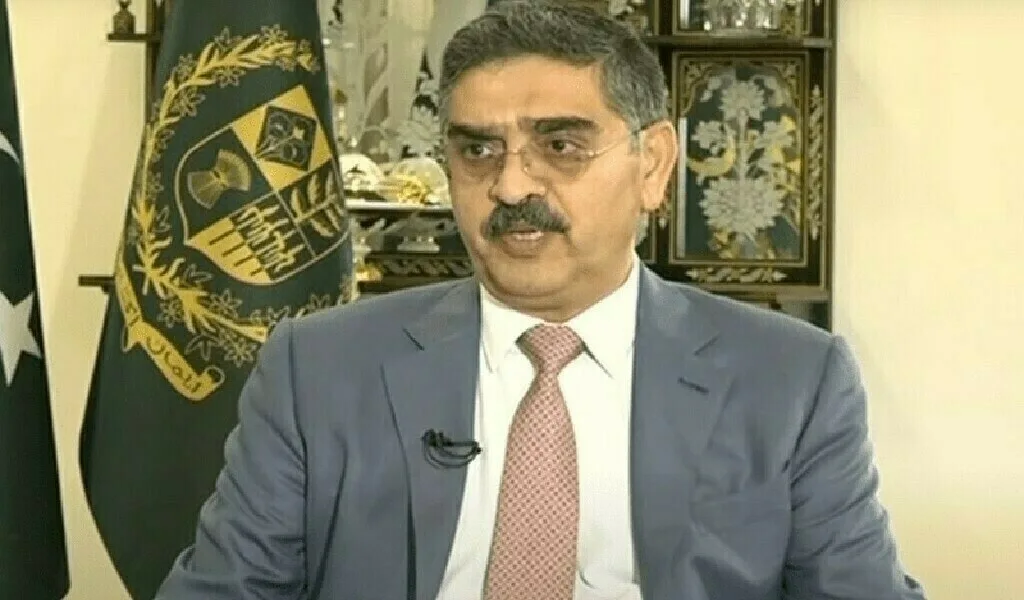
Federal Minister for Energy Sardar Awais Ahmed Khan Leghari highlighted this progress during a webinar titled “Pakistan-Russia Bilateral Relationship at the cusp of shifting global order.” He described the current phase of relations as highly positive and pragmatic, supported by consistent high-level engagements between both countries.
The minister emphasized that economic diplomacy and regional connectivity are now central pillars of bilateral relations.
INSTC and Its Strategic Importance
The International North-South Transport Corridor (INSTC) is a 7,200-kilometer multimodal trade network designed to connect India, Iran, Azerbaijan, Russia, Central Asia, and Northern Europe. It combines sea, rail, and road routes to reduce transport time and cost for cargo movement between Asia and Europe.
Pakistan’s potential entry into this network marks a significant milestone in regional trade integration. By joining the INSTC, Pakistan aims to position itself as a key logistics and transit hub in Eurasia.
The proposed linkage between INSTC and Gwadar Port, supported by Russia, adds another strategic dimension to Pakistan Russia trade corridor cooperation, creating new possibilities for trade expansion across multiple regions.
Gwadar Port’s Emerging Role in Regional Connectivity
Gwadar Port is already a central component of Pakistan’s broader economic vision under regional connectivity projects. If integrated with the INSTC, the port could serve as a vital gateway connecting the Arabian Sea with Central Asia and beyond.
Russian officials have expressed support for this linkage, suggesting that Gwadar could bridge critical gaps in global trade infrastructure. This would not only enhance Pakistan’s role in international logistics but also strengthen the overall efficiency of the INSTC network.
The inclusion of Gwadar in Pakistan Russia trade corridor cooperation discussions highlights the increasing importance of Pakistan in Eurasian trade architecture.
High-Level Diplomatic Engagements Strengthening Ties
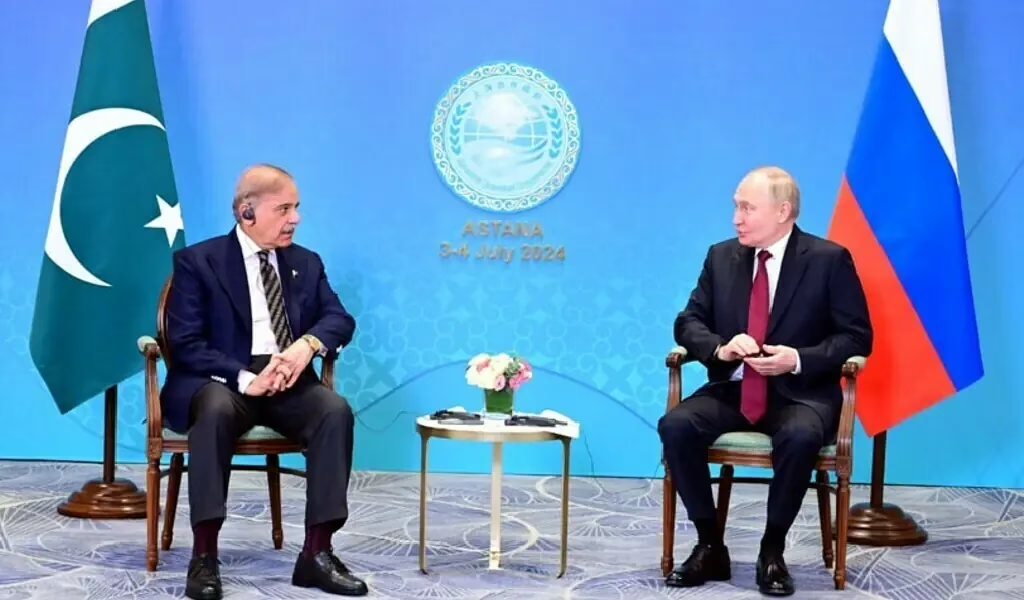
Recent diplomatic activity between Pakistan and Russia has further strengthened momentum toward economic cooperation. According to officials, Prime Minister Shehbaz Sharif and Russian President Vladimir Putin have held multiple meetings in recent years, reflecting deepening political engagement.
In addition, the Russia-Pakistan Intergovernmental Commission (IGC) continues to play a central role in advancing bilateral projects. The IGC serves as a platform for discussions on energy, trade, infrastructure, and strategic cooperation.
These structured engagements are helping translate political goodwill into practical economic outcomes, particularly in the context of Pakistan Russia trade corridor cooperation.
Expanding Cooperation Beyond Trade
Beyond trade routes, Pakistan and Russia are also exploring collaboration in energy, technology, defense, and counter-terrorism. Both countries have expressed alignment at international forums such as the United Nations and the Shanghai Cooperation Organisation (SCO), advocating for a multipolar global order.
To further strengthen economic ties, both sides have agreed to finalize a long-term economic cooperation program extending to 2030. This framework aims to resolve structural challenges such as payment mechanisms and trade facilitation.
Additionally, the recent signing of a readmission agreement between the two countries is expected to simplify visa processes and boost business travel and people-to-people exchanges.
These developments collectively reinforce Pakistan Russia trade corridor cooperation as a long-term strategic priority.
Future Outlook for Regional Integration
The potential inclusion of Pakistan in the INSTC could reshape trade dynamics across Eurasia. By linking South Asia with Central Asia and Europe through efficient transport corridors, the project aims to reduce logistical barriers and enhance economic connectivity.
Pakistan’s strategic location gives it a unique advantage in serving as a bridge between multiple economic regions. With Gwadar Port acting as a key node, the country could emerge as a central hub in global trade flows.
As discussions progress, Pakistan Russia trade corridor cooperation is expected to play a vital role in shaping future regional economic integration, strengthening both bilateral relations and broader Eurasian connectivity.
The coming years will determine how effectively both countries translate this vision into infrastructure development, trade expansion, and long-term economic stability.