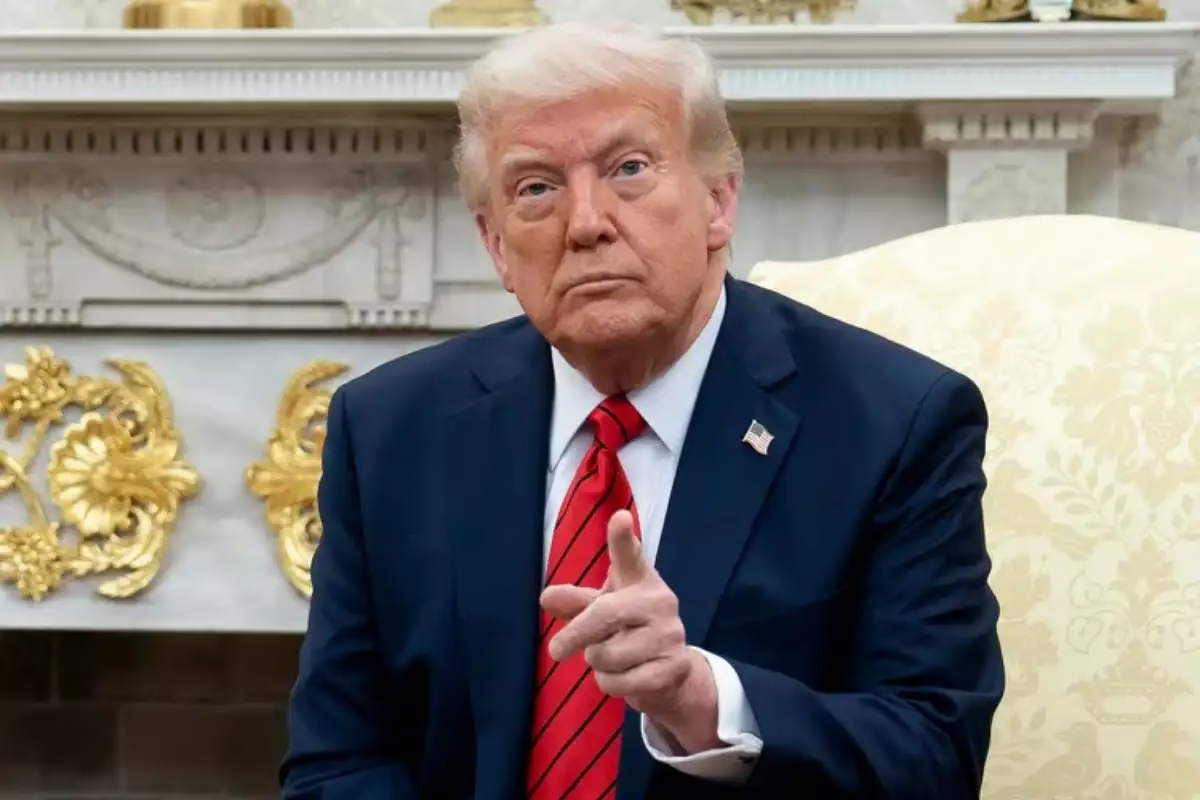
Trump Iran negotiations are once again becoming a major topic in global politics after former US President Donald Trump shared fresh comments about America’s approach toward Iran and regional conflicts. In a recent interview, Trump discussed negotiations, military power, and the long-term impact of war, offering insight into how future relations between Washington and Tehran could unfold.
His remarks come at a time when tensions in the Middle East continue to shape global diplomacy, oil markets, and international security discussions. While Trump stressed that the United States wants agreements that serve its national interests, he also acknowledged Iran as a smart and capable negotiating partner.
Trump’s Position on Iran Talks
During the interview, Trump explained that negotiations are an important part of leadership and said he remains focused on achieving outcomes that benefit the United States. According to him, Iran is not an easy country to negotiate with because its leadership understands diplomacy and strategy well.
The discussion around Trump Iran negotiations has gained attention because of growing concerns over instability in the Middle East. Political analysts believe that any future agreement between the two countries could influence regional peace, global trade routes, and energy prices.
Trump also claimed that the United States currently holds stronger bargaining power due to previous military operations in the region. He argued that America has leverage in negotiations and suggested that Iran’s military capabilities have been weakened over time.
Focus on Military Strength and Diplomacy
One of the key points Trump emphasized was the importance of combining diplomacy with military strength. He stated that strong nations negotiate from a position of power and confidence. At the same time, he warned about the dangers of prolonged wars and unnecessary military involvement.
The topic of Trump Iran negotiations became even more significant when he criticized past US foreign policy decisions, especially the Iraq war. Trump described the Iraq conflict as a major mistake and said wars can destroy countries for generations.
According to Trump, rebuilding after conflict can take decades. He explained that when infrastructure, economies, and institutions collapse during war, recovery becomes extremely difficult. His comments reflected a more cautious approach toward direct military engagement, despite his emphasis on maintaining military strength.
Iran’s Role in Regional Politics
Iran continues to play an important role in Middle Eastern politics, particularly because of its strategic location and influence across the region. Any improvement or deterioration in US-Iran relations can directly affect neighboring countries and international markets.
Observers believe that Trump Iran negotiations could shape future discussions about nuclear programs, sanctions, maritime security, and regional alliances. The Strait of Hormuz, one of the world’s most important oil shipping routes, remains a critical issue whenever tensions rise between Iran and Western powers.
Global investors and policymakers closely monitor these developments because instability in the region often leads to rising oil prices and economic uncertainty. Diplomatic progress, however, can reduce fears of conflict and improve investor confidence worldwide.
Trump’s Criticism of Past Wars
A major part of Trump’s interview focused on the consequences of military intervention. He repeated his long-standing criticism of the Iraq war, calling it a poor strategic decision that harmed both the region and US interests.
Trump argued that countries affected by war often struggle for decades with economic collapse, political instability, and social division. He stressed that leaders must carefully evaluate the long-term consequences before entering conflicts.
This perspective has become an important part of discussions surrounding Trump Iran negotiations, as many analysts believe Trump prefers negotiation and pressure tactics over large-scale military campaigns.
At the same time, he maintained that the United States must remain prepared to respond to threats if necessary. His comments reflected a strategy that combines diplomatic engagement with military readiness.
Global Reactions to Trump’s Remarks
Trump’s statements quickly attracted international attention. Supporters believe his focus on negotiation and avoiding prolonged wars could reduce instability in the Middle East. Critics, however, argue that his aggressive language about military power may complicate diplomatic efforts.
Political experts say future Trump Iran negotiations would likely involve difficult discussions over sanctions, regional security, and nuclear activities. Reaching a comprehensive agreement would require trust-building measures from both sides.
Meanwhile, countries in the Gulf region are also watching developments carefully because regional stability directly impacts trade, investment, and energy exports.
The Future of US-Iran Relations
The future of relations between Washington and Tehran remains uncertain. However, Trump’s latest remarks suggest that negotiations could remain part of the broader strategy if political conditions allow.
The debate surrounding Trump Iran negotiations highlights the complex balance between diplomacy, security, and economic interests. Both countries understand the global importance of their relationship, especially during periods of regional tension.
As international attention remains focused on the Middle East, future talks between the United States and Iran could influence not only regional peace but also global markets and international diplomacy for years to come.