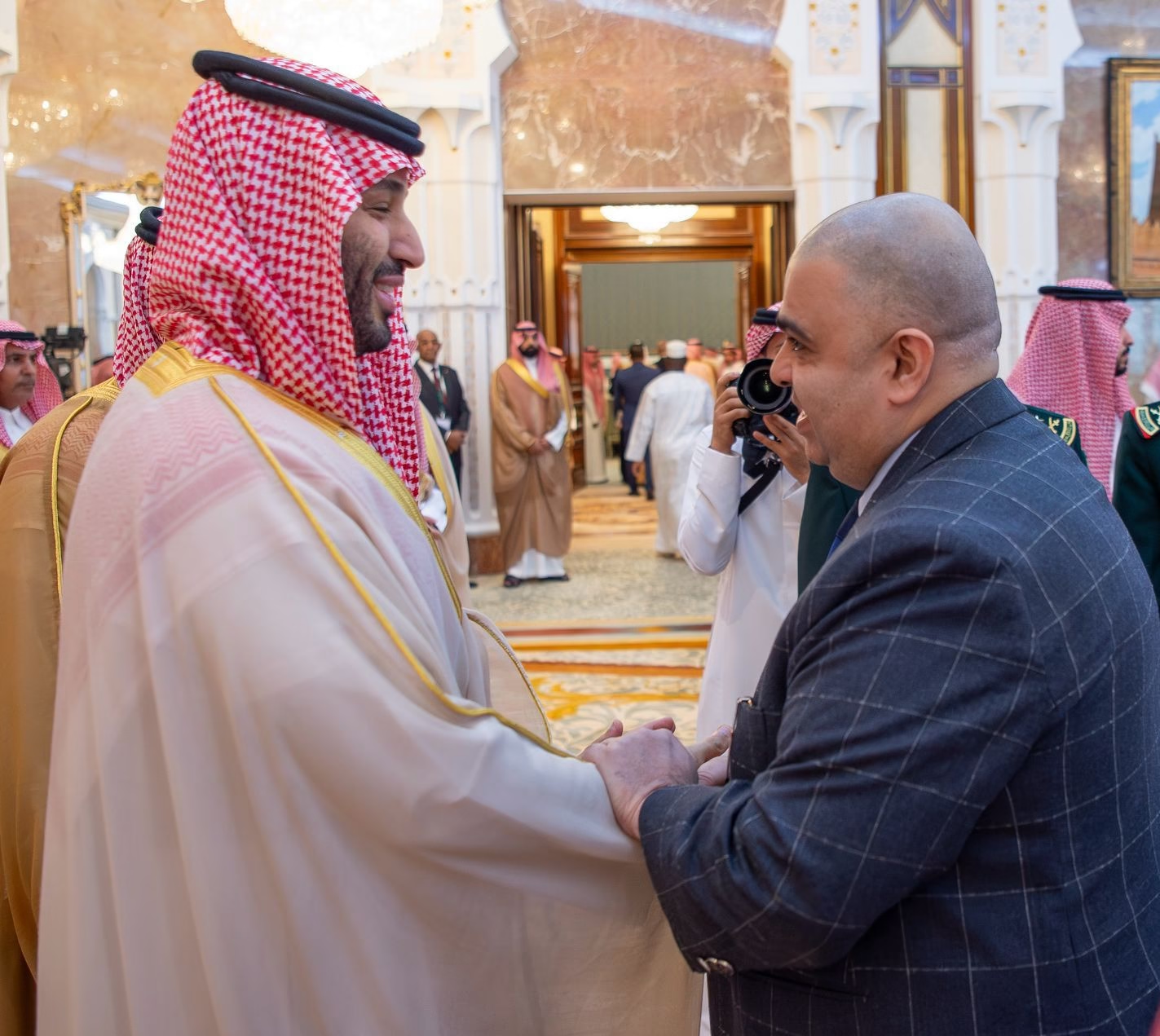
The strong and historic Pakistan Saudi Arabia Relations were once again highlighted during a recent meeting between Pakistan’s Minister of State and Special Assistant to the Prime Minister, Fahd Haroon, and Saudi Crown Prince Mohammed bin Salman in Makkah during the Hajj season.
The meeting took place at Mina Palace, where both sides discussed the longstanding partnership between the two countries and reaffirmed their commitment to further strengthening cooperation in multiple areas. Fahd Haroon conveyed Eid-ul-Adha greetings on behalf of the government and people of Pakistan while also expressing appreciation for Saudi Arabia’s exceptional arrangements for Hajj pilgrims.
The meeting reflected the close diplomatic, religious, and strategic ties that continue to define the relationship between Islamabad and Riyadh.
A Relationship Built on Shared Faith and Respect
The foundation of Pakistan Saudi Arabia Relations goes far beyond politics and diplomacy. The two countries share deep religious, cultural, and historical connections that have remained strong for decades.
Saudi Arabia holds special importance for Pakistan because it is home to Islam’s holiest cities, Makkah and Madinah. Every year, millions of Pakistani Muslims travel to the Kingdom for Hajj and Umrah, strengthening people-to-people ties between the two nations.
At the same time, Saudi Arabia has consistently supported Pakistan during challenging economic and political periods. Pakistan has also maintained strong support for Saudi Arabia on regional and international issues.
This mutual respect and trust continue to shape one of the most important partnerships in the Muslim world.
Fahd Haroon Appreciates Saudi Hajj Arrangements
During the meeting, Fahd Haroon praised the Saudi government for successfully managing Hajj arrangements for millions of pilgrims from around the world.
Organizing Hajj is considered one of the world’s largest logistical operations. Every year, Saudi authorities work to ensure the safety, transportation, accommodation, healthcare, and security of pilgrims visiting the holy cities.
Fahd Haroon acknowledged the Kingdom’s efforts in providing comfort and facilities to pilgrims, including those from Pakistan. He commended the leadership of Crown Prince Mohammed bin Salman for modernizing services and improving the overall Hajj experience.
The appreciation shown during the meeting also highlighted the religious dimension of Pakistan Saudi Arabia Relations, which remains central to the bond between the two countries.
Expanding Economic and Strategic Cooperation
Apart from religious ties, Pakistan and Saudi Arabia continue to strengthen cooperation in economic and strategic sectors.
Saudi Arabia has emerged as one of Pakistan’s key economic partners, with both countries exploring investment opportunities in energy, infrastructure, mining, agriculture, and technology.
Recent years have seen growing discussions regarding Saudi investment projects in Pakistan, especially under broader regional economic cooperation initiatives.
The two countries also coordinate closely on security and regional stability matters. Pakistan and Saudi Arabia have frequently supported each other at international forums and maintained cooperation on issues affecting the Muslim world.
The latest meeting once again reinforced the importance of Pakistan Saudi Arabia Relations in promoting regional peace and long-term collaboration.
Importance of the Hajj Season Diplomacy
Diplomatic meetings during the Hajj season often carry symbolic significance because leaders from across the Muslim world gather in Saudi Arabia during this period.
Such meetings provide opportunities for strengthening diplomatic ties while also emphasizing unity among Muslim nations. The interaction between Fahd Haroon and Crown Prince Mohammed bin Salman reflected not only official diplomacy but also the warmth shared between both countries.
Pakistan has consistently appreciated Saudi Arabia’s hospitality toward Pakistani pilgrims, while Saudi leaders have often acknowledged Pakistan’s role in strengthening cooperation within the Islamic world.
The Hajj season therefore becomes more than just a religious occasion; it also serves as a platform for strengthening international Muslim partnerships.
Saudi Arabia’s Role for Pakistani Workers and Pilgrims
Saudi Arabia is home to a large Pakistani expatriate community. Millions of Pakistanis work in the Kingdom across various sectors and contribute significantly to Pakistan’s economy through remittances.
This human connection further strengthens Pakistan Saudi Arabia Relations and creates deep emotional and economic ties between the populations of both countries.
Pakistani workers have long played an important role in Saudi Arabia’s development, while the Kingdom continues to offer employment opportunities to thousands of Pakistanis every year.
Additionally, Saudi Arabia’s continuous improvements in Hajj and Umrah services directly benefit Pakistani pilgrims who travel to the Kingdom annually.
A Partnership Expected to Grow Further
Analysts believe Pakistan and Saudi Arabia will continue expanding cooperation in the coming years. Economic partnerships, regional diplomacy, energy projects, and cultural exchanges are expected to deepen further as both countries seek stronger strategic collaboration.
The leadership of Crown Prince Mohammed bin Salman has introduced major reforms and economic transformation projects in Saudi Arabia, opening new opportunities for international partnerships. Pakistan is expected to remain an important partner in several of these initiatives.
At the same time, Pakistan values Saudi Arabia’s support in economic stability, regional peace efforts, and Islamic cooperation.
The recent meeting in Makkah once again demonstrated the strength of Pakistan Saudi Arabia Relations and the commitment of both countries to maintaining close and friendly ties.
As both nations continue working together across religious, diplomatic, and economic sectors, their partnership is likely to remain one of the most significant relationships in the Muslim world for years to come.