Pakistan Peoples Party (PPP) Chairman Bilawal Bhutto-Zardari has urged Pakistan Tehreek-e-Insaf (PTI) to abandon what he described as extremist and confrontational politics, calling for dialogue with the federal government amid tensions over Khyber Pakhtunkhwa’s political and security situation. His remarks came as the federal government considered constitutional options, including emergency measures and governor’s rule, while PTI pushed ahead with a protest march demanding the release of its founder, Imran Khan.
Bilawal Calls for a Change in PTI’s Political Approach
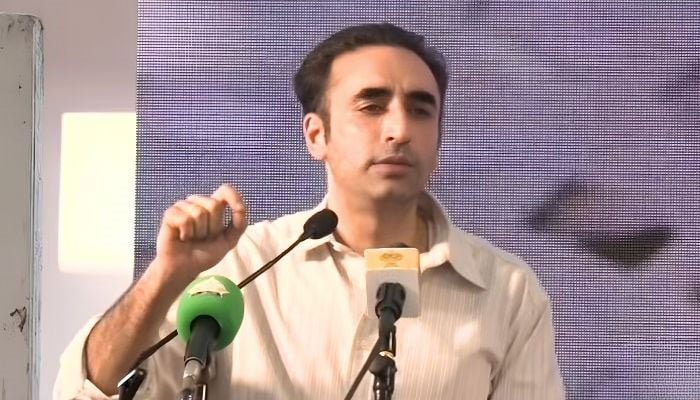
Speaking at an event in Karachi, Bilawal said Pakistan’s political history showed that imprisonment did not necessarily prevent political leaders from returning to positions of power. He stressed, however, that PTI would need to reconsider its current political strategy if it wanted to improve its position and reduce tensions.
Bilawal warned that Imran Khan could face a prolonged period in prison if the party continued along its existing path. Referring to President Asif Ali Zardari’s reported 14 years in prison, he highlighted the long-term consequences political confrontations could have for party leadership.
The PPP chairman criticised Khyber Pakhtunkhwa Chief Minister Sohail Afridi, accusing him of pursuing negative politics instead of focusing on the province’s challenges. He argued that PTI’s confrontational approach was harming the party and making political engagement more difficult.
Bilawal Bhutto-Zardari called on PTI to return to parliamentary committees and participate in discussions with the federal government. He maintained that dialogue and parliamentary engagement offered a more constructive way to resolve disagreements than continued confrontation.
Federal Government Considers Constitutional Options
The political dispute has coincided with discussions in Islamabad about the deteriorating security situation in Khyber Pakhtunkhwa. Federal officials have raised concerns about militancy and the provincial government’s response, while the PTI-led administration remains opposed to measures that could weaken its authority.
On September 30, Parliamentary Affairs Minister Tariq Fazal Chaudhry said the federal government was seriously considering imposing an emergency in the province under Article 232 of the Constitution. The minister linked the proposal to security concerns and what he described as shortcomings in the provincial government’s efforts to contain terrorism.
Reports also indicated that governor’s rule and other constitutional measures were being discussed as possible responses to the political and security situation. However, these proposals should not be treated as a final decision to impose emergency rule.
The constitutional provisions being discussed include Articles 232 and 234, which provide for specific measures under defined circumstances. Any action would need to follow the applicable constitutional requirements.
PTI’s Long March Adds to Political Tensions
PTI’s planned long march towards Islamabad became a major source of friction between the federal and provincial governments. The party said the protest was intended to demand the release of Imran Khan, who has been imprisoned since 2023.
The march began in Khyber Pakhtunkhwa in early October under the leadership of Chief Minister Sohail Afridi. The move followed unsuccessful negotiations between PTI and the federal government, with disagreements over political demands and cooperation on counterterrorism measures contributing to the deadlock.
The federal government opposed the protest and increased security arrangements around the capital, raising concerns about further confrontation. The dispute also placed additional pressure on relations between Islamabad and the PTI-led provincial administration.
Bilawal Bhutto-Zardari urged the party to reconsider its protest strategy and seek a negotiated settlement rather than allowing political disagreements to deepen. His position reflected the PPP’s stated preference for dialogue before resorting to drastic constitutional measures.
PPP Advocates Dialogue Before Emergency Measures
The PPP chairman has argued that the political and security challenges facing Khyber Pakhtunkhwa require cooperation between the federal and provincial governments. He has also maintained that counterterrorism efforts should not be undermined by political rivalries.
In remarks reported on October 3, Bilawal said the federal government had been prepared to impose emergency or governor’s rule but that the PPP had advocated finding a political solution first. He argued that political parties should attempt negotiations before using exceptional constitutional powers.
The PPP’s approach places emphasis on dialogue, although it remains uncertain whether the parties can reach a lasting agreement on security cooperation and PTI’s political demands.
The confrontation presents challenges for both the federal government and PTI. Islamabad must address security concerns while ensuring that any constitutional action complies with the law. PTI, meanwhile, faces pressure to balance its demand for Imran Khan’s release with the need to maintain political engagement.
Bilawal Bhutto-Zardari has made clear that he believes dialogue should remain the preferred route. Whether the parties can move beyond accusations and agree on practical steps will determine whether tensions ease or the dispute escalates further.
The central questions concern the future of political negotiations, the provincial government’s role in counterterrorism efforts and whether constitutional measures will remain a contingency rather than become government policy. A negotiated settlement could help prevent further confrontation and allow authorities to focus on the province’s security challenges.