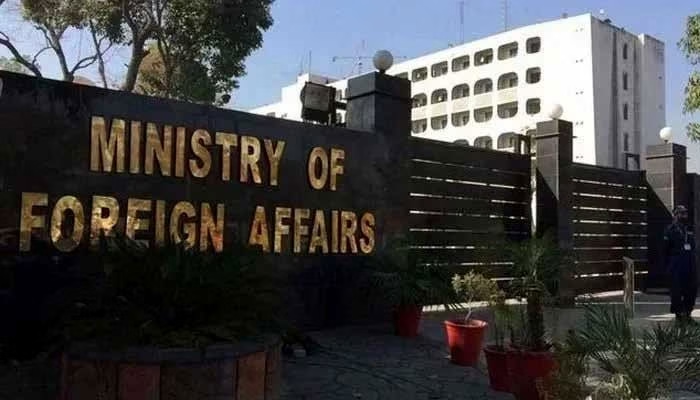
The ongoing Pakistan India tensions have once again come into the spotlight after strong statements from the Foreign Office Pakistan criticizing India’s recent allegations. The dispute revolves around the April 2025 Pahalgam incident, which continues to fuel diplomatic friction between the two neighboring countries.
According to officials, the Pakistan India tensions escalated after remarks made by the Indian Army on the anniversary of the attack. Pakistan has firmly rejected these claims, calling them baseless and politically motivated. The Foreign Office emphasized that such narratives only harm regional peace efforts at a time when diplomatic engagement is crucial.
The Pahalgam incident, which took place in Pahalgam, resulted in the tragic loss of 26 lives. Following the attack, India accused Pakistan of involvement without presenting concrete evidence. Islamabad not only denied the allegations but also called for an independent and neutral investigation. However, the absence of such an inquiry has further deepened Pakistan India tensions.
Matters worsened when India reportedly carried out missile strikes inside Pakistani territory. These actions led to civilian and military casualties, prompting a strong response from Pakistan. In retaliation, Pakistan claimed to have shot down several Indian aircraft and neutralized advanced defense systems. This brief but intense conflict brought the two nuclear-armed nations dangerously close to a full-scale war, significantly increasing Pakistan India tensions.
The situation eventually de-escalated through a ceasefire agreement brokered by the United States. While the ceasefire helped prevent further military escalation, it did not resolve the underlying issues. Even after the agreement, both sides have continued to exchange accusations, keeping Pakistan India tensions at a high level.
In its recent statement, the Foreign Office accused India of using propaganda to divert attention from more pressing issues. It argued that such allegations are part of a broader strategy to shape international opinion while avoiding accountability. This narrative has added another layer to the already complex Pakistan India tensions, making diplomatic progress more challenging.
A key point of contention remains the status of Jammu and Kashmir. Pakistan maintains that the region’s dispute must be resolved in accordance with international resolutions and the wishes of its people. India, on the other hand, considers it an internal matter. This fundamental disagreement continues to be at the heart of Pakistan India tensions and influences nearly every aspect of their bilateral relations.
Another issue highlighted by Pakistan is India’s alleged unilateral actions regarding the Indus Waters Treaty. Islamabad claims that any attempt to suspend or alter the agreement violates international law and threatens regional stability. Such developments further intensify Pakistan India tensions, as water security is a critical concern for both nations.
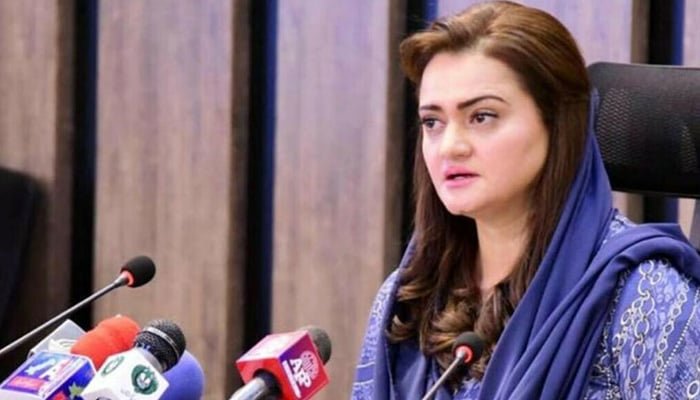
Political rhetoric has also played a significant role in shaping public perception. Leaders and officials on both sides have made strong statements, often accusing each other of destabilizing the region. Pakistan’s Information Minister, Attaullah Tarar, recently criticized India for failing to provide credible evidence regarding the Pahalgam incident. He also questioned the lack of transparency and called for accountability, adding to the ongoing Pakistan India tensions.
From a broader perspective, these tensions have implications beyond the two countries. The international community remains concerned about the potential for conflict between nuclear-armed neighbors. Stability in South Asia is essential not only for regional peace but also for global security. Continued Pakistan India tensions could disrupt economic growth, trade, and diplomatic cooperation in the region.
Despite the challenges, there is still hope for dialogue. Both countries have previously engaged in peace talks and confidence-building measures. However, rebuilding trust requires concrete actions, including transparent investigations and a commitment to reducing hostile rhetoric. Without these steps, Pakistan India tensions are likely to persist.
The recent developments surrounding the Pahalgam incident highlight the fragile nature of relations between Pakistan and India. Accusations, military actions, and political narratives have all contributed to the current situation. Addressing these issues through dialogue and mutual understanding is essential for long-term peace. Until then, Pakistan India tensions will remain a significant concern for the region and the world.