The rising Strait of Hormuz tension has become a major global concern as new developments signal a sharp escalation between the United States and Iran. With strong military statements and increased naval activity, the situation in this critical waterway is now affecting global trade, oil supply, and regional stability.
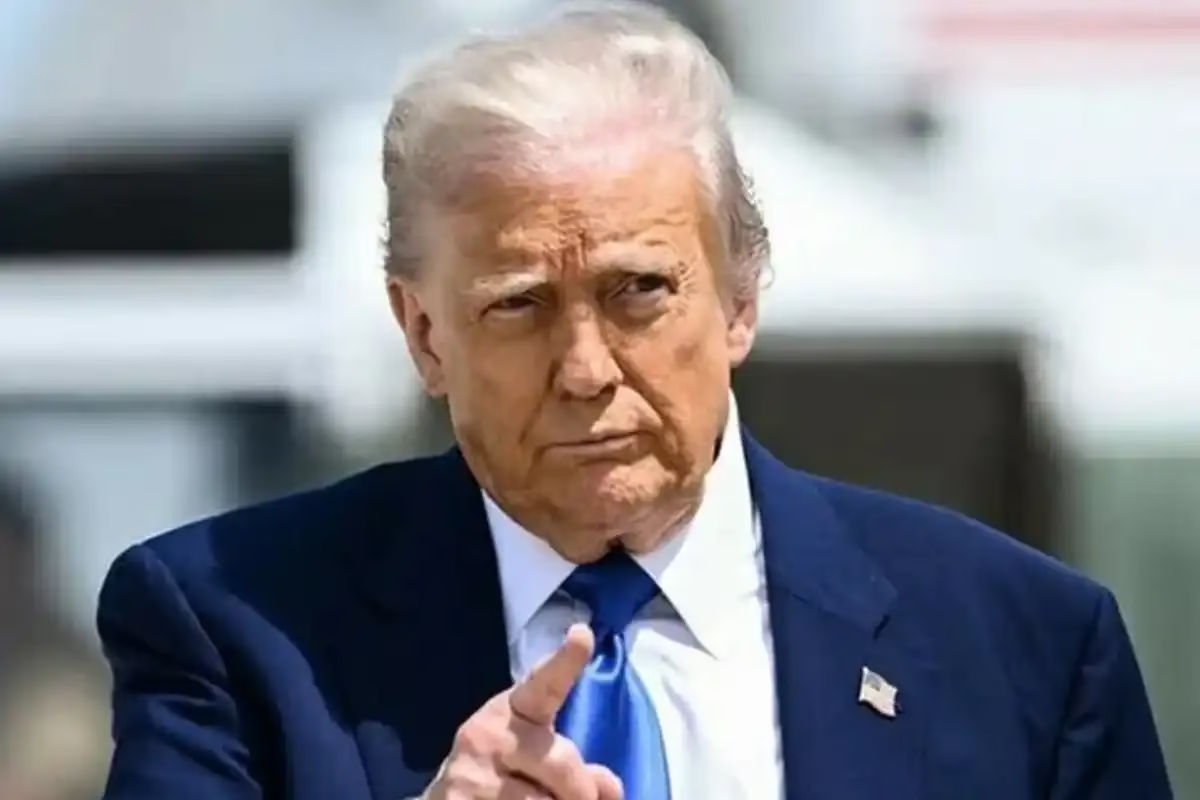
The latest escalation came after Donald Trump announced strict orders to the U.S. Navy regarding any threats in the region. His directive to act decisively against potential mine-laying operations reflects how serious the Strait of Hormuz tension has become. The statement also indicates that the U.S. is willing to take aggressive measures to maintain control over one of the world’s most important shipping routes.
The Strait of Hormuz is a narrow but vital passage connecting the Persian Gulf to the global ocean. Around 20% of the world’s oil supply passes through this route, making it a key lifeline for international energy markets. Any disruption here can lead to immediate economic consequences, which is why the current Strait of Hormuz tension is being closely monitored worldwide.
Reports suggest that the United States has intensified its naval presence in the region, including increasing minesweeping operations. These actions are aimed at ensuring safe passage for commercial vessels while also maintaining strategic control. However, such moves have further heightened the Strait of Hormuz tension, as Iran views them as direct pressure tactics.
Adding to the complexity, the U.S. has reportedly imposed a naval blockade on Iranian ports in the region. This step is intended to push Iran toward negotiations and reopen the strait for normal traffic. According to official statements, dozens of ships have already been instructed to turn back or remain in port. As a result, the Strait of Hormuz tension has directly impacted shipping activity, causing a sharp decline in vessel movement.
Under normal conditions, more than 100 ships pass through the strait daily. However, recent data shows that only a handful of vessels are now making the journey. This dramatic drop highlights the seriousness of the situation and the risks associated with ongoing conflict. The Strait of Hormuz tension is not just a regional issue—it has global implications for trade and energy security.
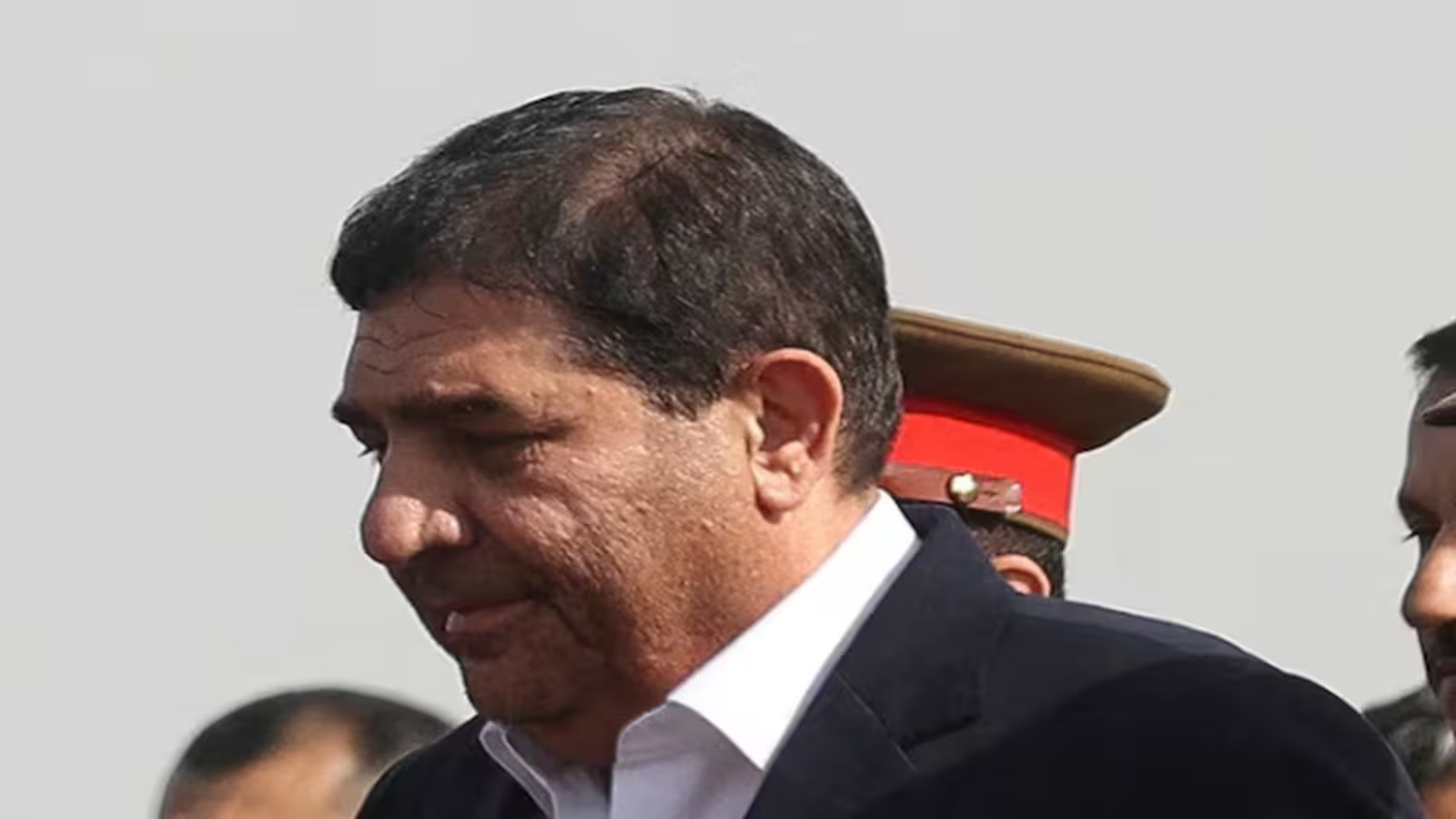
From Iran’s perspective, the blockade is a major obstacle to reopening the waterway. Iranian officials, including parliamentary leaders, have made it clear that normal operations cannot resume while restrictions remain in place. This deadlock has further intensified the Strait of Hormuz tension, with both sides holding firm on their positions.
The economic impact of the situation is already visible. Oil prices have shown signs of volatility as markets react to uncertainty in supply routes. Since a significant portion of global oil shipments relies on this corridor, any prolonged disruption could lead to higher fuel prices worldwide. The Strait of Hormuz tension is therefore directly linked to rising concerns about inflation and economic stability.
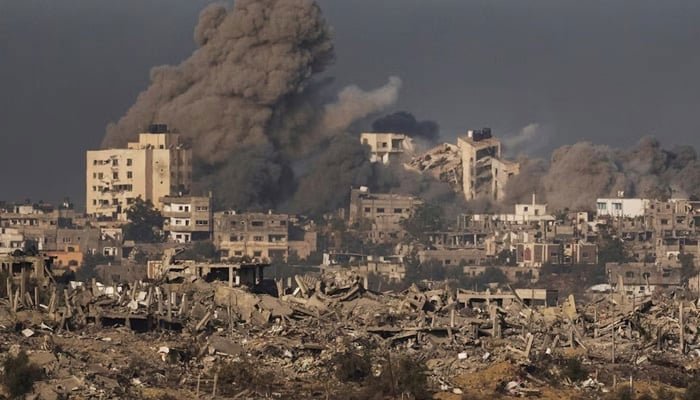
Beyond economics, the situation also raises serious security concerns. Increased military presence, strict naval orders, and reduced communication between the two sides create an environment where misunderstandings could escalate quickly. The ongoing Strait of Hormuz tension underscores the fragile balance in the region and the importance of diplomatic solutions.
Efforts to maintain a ceasefire have so far provided only temporary relief. While there have been attempts to extend agreements and reduce hostilities, the underlying issues remain unresolved. As long as these tensions persist, the risk of further escalation cannot be ruled out. The Strait of Hormuz tension continues to serve as a reminder of how quickly geopolitical conflicts can impact global systems.
For the international community, the priority remains ensuring stability and uninterrupted trade. Countries that depend heavily on oil imports are particularly concerned, as disruptions in supply can have widespread economic consequences. The Strait of Hormuz tension is therefore not just a bilateral issue but a global challenge that requires careful management.
The current Strait of Hormuz tension represents a critical moment in global geopolitics. With strong military actions, reduced shipping activity, and rising economic risks, the situation demands urgent attention. Whether through diplomacy or strategic negotiations, finding a resolution is essential to restoring stability in one of the world’s most trade routes.