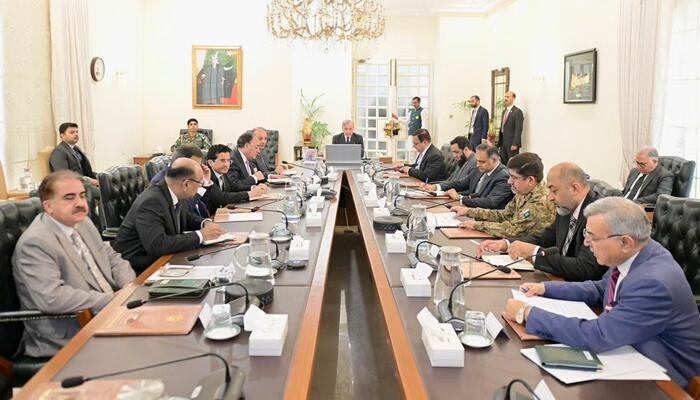
The government’s renewed focus on Pakistan energy security has taken center stage as Prime Minister Shehbaz Sharif outlined key measures to safeguard the country’s energy future. In a high-level meeting, he emphasized that timely decisions and proactive planning have helped Pakistan avoid a potential energy crisis amid rising global uncertainties.
One of the most important aspects of the discussion was the need to strengthen Pakistan energy security through long-term planning. The government is now working on building strategic reserves of crude oil to ensure that the country remains prepared for any future supply disruptions. This move reflects a broader understanding that energy stability is directly linked to economic growth and national resilience.
Another major step in improving Pakistan energy security is the transition toward eco-friendly transportation. The prime minister directed that government departments gradually shift to electric vehicles (EVs), including buses and motorcycles. This initiative is expected to reduce fuel consumption, lower emissions, and decrease reliance on imported petroleum products over time.
To support this transition, authorities have been instructed to accelerate the development of EV charging infrastructure across the country. Expanding charging stations will play a critical role in encouraging the adoption of electric vehicles and strengthening Pakistan energy security by promoting cleaner and more sustainable energy use.
In addition to transportation reforms, the government is also focusing on renewable energy solutions. Solar energy has gained significant attention, particularly among domestic consumers. To make solar power more efficient, the prime minister called for a comprehensive strategy to facilitate battery storage systems. These systems will allow users to store excess solar energy and use it when needed, further enhancing Pakistan energy security.
Local manufacturing of high-quality batteries is another priority. By encouraging domestic production, Pakistan aims to reduce dependency on imports and create new economic opportunities. This approach not only supports industrial growth but also contributes to a more self-reliant energy ecosystem, which is essential for long-term Pakistan energy security.
Officials at the meeting also highlighted the role of the National Coordination and Management Council in monitoring the country’s energy situation on a daily basis. Regular assessments ensure that any potential risks are identified early and addressed promptly. According to the briefing, Pakistan currently has sufficient stocks of petroleum products, providing some level of stability in the short term.
Efforts to increase local production of oil and gas are also underway. With continuous support from energy companies, domestic output is gradually rising. This progress is crucial because higher local production reduces reliance on imports and strengthens Pakistan energy security against global price fluctuations.
The government is also working on innovative solutions such as grid-level battery storage projects. These pilot initiatives aim to store surplus energy at a larger scale, ensuring a consistent and reliable power supply. If successful, such projects could significantly enhance Pakistan energy security and improve the overall efficiency of the energy system.
Recent global developments have made these measures even more urgent. The ongoing conflict involving the United States, Israel, and Iran has disrupted energy supply chains and increased oil prices worldwide. The blockage of the Strait of Hormuz, a critical route for global oil shipments, has further intensified concerns. These external factors highlight why strengthening Pakistan energy security is more important than ever.
In response to rising fuel costs, the government has already introduced several austerity measures. These include a four-day workweek, early market closures, reduced fuel allowances, and a 20% cut in government expenditures. While these steps may seem restrictive, they are designed to manage resources efficiently and protect Pakistan energy security during challenging times.
Moreover, public awareness and participation are essential for the success of these initiatives. Citizens are being encouraged to adopt energy-saving practices and explore renewable energy options. A collective effort can significantly reduce overall consumption and contribute to a more sustainable energy future.
The government’s comprehensive strategy reflects a clear commitment to strengthening Pakistan energy security. From building oil reserves and promoting electric vehicles to investing in renewable energy and local manufacturing, these measures aim to create a resilient and sustainable energy system. While global challenges remain unpredictable, proactive planning and innovation can help Pakistan navigate uncertainties and secure its energy future.