
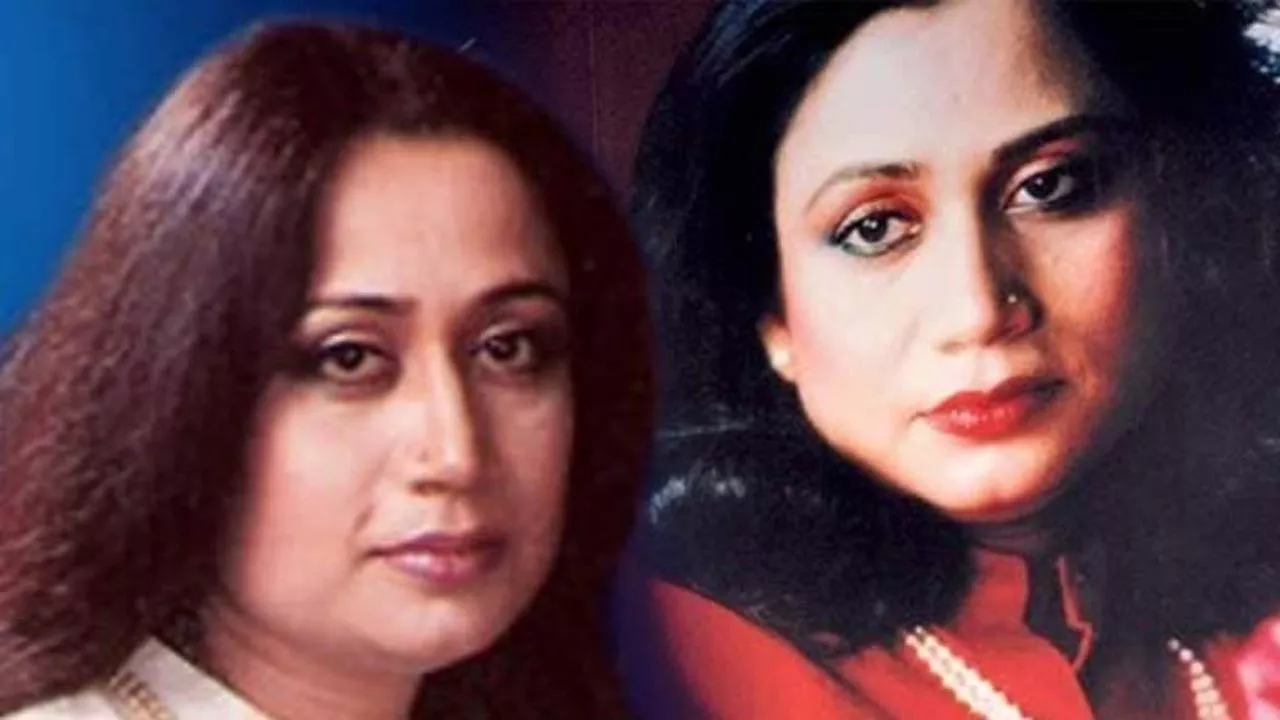
The beauty of Parveen Shakir poetry lies in its ability to express love, emotions and the delicate experiences of everyday life through simple yet powerful words. Known as the poetess of fragrance, Parveen Shakir remains one of the most admired figures in Urdu literature. Her verses about flowers, butterflies, wind and human relationships continue to touch readers, keeping her literary legacy alive decades after her death.
Born on November 4, 1952, in Karachi, Parveen Shakir belonged to a literary family. She developed an interest in literature at an early age and began her literary journey as a teenager. Although she also wrote prose, poetry eventually became the foundation of her fame and established her as a distinctive voice in Urdu literature.
Early Life and Literary Journey
Parveen Shakir was raised in an environment that encouraged literary interests. Her family background helped develop her appreciation for language, reading and creative expression.
She initially used the pen name Bina before becoming widely recognised by her own name. Her early writing reflected a fresh approach to traditional Urdu poetry, particularly in the way she explored emotions, relationships and women’s experiences.
Unlike conventional romantic poetry, her work often presented feelings from a woman’s perspective. She wrote about love, longing, separation, personal identity and the complexities of human relationships.
Her writing connected with readers because it combined emotional depth with accessible language. This distinctive style helped her establish a special place among contemporary Urdu poets.
Khushboo Brought Her Widespread Recognition
A major turning point in Parveen Shakir’s literary career came in 1976, when her first poetry collection, Khushboo, was published.
The collection received considerable appreciation in literary circles and introduced readers to her distinctive poetic voice. Its popularity earned her the title of the poetess of Khushboo, a name closely associated with her literary identity.
The collection explored themes of love, beauty, longing and emotional vulnerability. Its imagery, particularly references to fragrance, flowers and nature, gave her poetry a recognisable character.
Khushboo also helped introduce a new perspective into Urdu romantic poetry. Her verses were not limited to idealised expressions of love; they also reflected disappointment, emotional conflict and the realities of relationships.
The success of her first collection established her as an important literary figure and encouraged her to continue exploring different subjects through poetry.
Famous Poetry Collections by Parveen Shakir
Following the success of Khushboo, Parveen Shakir published several other collections that strengthened her reputation.
Her notable literary works include:
- Sad Barg
- Khud Kalami
- Inkaar
- Maah-e-Tamaam
- Kaf-e-Aaina
- Gosha-e-Chashm
These collections demonstrate the range of her literary expression. While love and relationships remained important themes, her writing also explored loneliness, social expectations, personal struggles and the changing experiences of women.
Her ability to communicate complex emotions through carefully chosen words made her poetry accessible to readers from different generations.
Even today, Parveen Shakir poetry is widely read, shared and appreciated by people who enjoy Urdu literature. Her verses continue to appear in literary discussions, poetry gatherings and online platforms.
Literary Awards and Achievements
Parveen Shakir’s contribution to Urdu literature received recognition through several awards and honours.
She received the Adamjee Literary Award for her literary achievements. In 1990, she was also awarded the Presidential Pride of Performance in recognition of her contribution to literature.
These honours reflected the importance of her work and its influence on Urdu poetry.
Her writing introduced a distinctive female voice into a literary tradition that had often been dominated by male perspectives. She explored subjects that resonated with women while creating poetry that appealed to a much wider audience.
Her influence continues to be recognised by literary enthusiasts, students and Urdu poetry readers.
Death and Lasting Literary Legacy
Parveen Shakir died in a car accident in Islamabad on December 26, 1994, at the age of 42. Her sudden death was a significant loss for Urdu literature and the many readers who admired her work.
Although her life ended relatively early, her poetry continues to preserve her thoughts, emotions and artistic identity.
The lasting appeal of Parveen Shakir poetry comes from its emotional honesty and beautiful imagery. Her words give expression to feelings that many people experience but struggle to communicate.
Decades after her death, she remains an important name in Urdu literature. Her collections continue to be read, and her verses remain popular among both older readers and younger generations.
Parveen Shakir may no longer be physically present, but her literary voice continues to live through the fragrance of her words. Her contribution to Urdu poetry ensures that she will be remembered as one of its most distinctive and beloved poets.