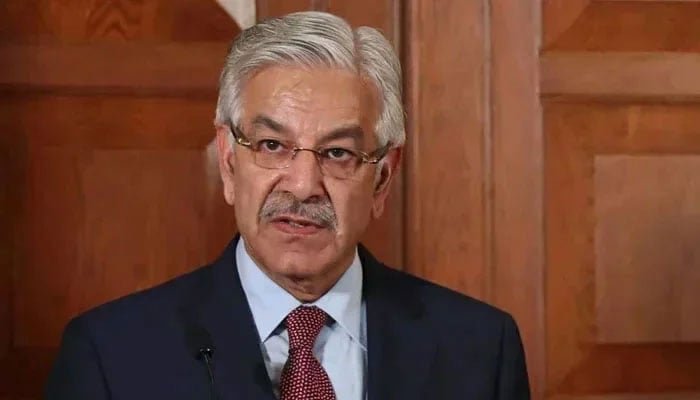
Pakistan’s commitment to the Pakistan Saudi Arabia defence relationship remains firm, with Defence Minister Khawaja Asif declaring that Islamabad will defend the kingdom with full force” if it faces foreign aggression. Speaking on Geo News’ programme Aaj Shahzeb Khanzada Kay Sath, Asif stressed that Saudi Arabia’s security was as important to Pakistan as protecting its own territory. His remarks came amid regional tensions and diplomatic efforts involving Pakistan, Saudi Arabia, Iran and Türkiye to prevent further escalation.
Khawaja Asif Reaffirms Pakistan’s Support for Saudi Arabia
During the television interview, Asif emphasised that Pakistan’s relationship with Saudi Arabia extended beyond formal agreements. He described defending the kingdom as a responsibility for Islamabad and said Pakistan would provide its full support if Saudi territory came under attack.
“It is incumbent upon us that we defend Saudi Arabia,” the minister said, reiterating Pakistan’s commitment to its longstanding partner.
Asif also highlighted the importance of the Pakistan Saudi Arabia defence partnership, saying the security of both countries was closely linked in Islamabad’s strategic outlook.
“Just as the defence of Pakistan is paramount, the defence of Saudi Arabia is equally paramount for us,” he stated.
The defence minister’s comments underline the importance Pakistan places on its relationship with Riyadh, particularly at a time when security concerns across the Middle East have increased.
Mutual Defence Commitment Under Regional Agreement
Asif referred to an agreement under which, according to him, three countries had made a written commitment to support one another when faced with threats covered by the pact.
He said the agreement established a basis for collective action against foreign aggression and reflected a shared commitment to protecting each other’s territory.
“God willing, now that three countries are involved, by agreement also, we will defend each other’s territory against any foreign aggression,” Asif said.
His remarks highlighted the security dimension of the Pakistan Saudi Arabia defence relationship, although the precise circumstances in which the agreement would apply would depend on its terms.
The minister’s statement comes as regional governments consider diplomatic and security options to address threats and prevent tensions from developing into a broader conflict.
Pakistan, Saudi Arabia, Iran and Türkiye Pursue Dialogue
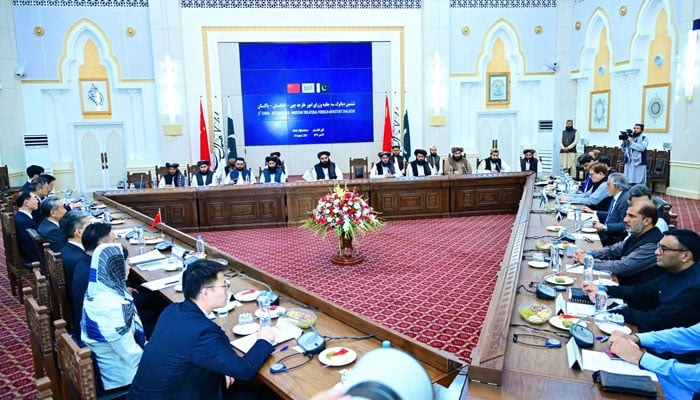
Asif’s comments followed a meeting in Tehran attended by Pakistan’s Chief of Defence Forces and Chief of Army Staff, Field Marshal Syed Asim Munir, alongside senior officials from Iran, Saudi Arabia and Türkiye.
According to the minister, the discussions reflected efforts to strengthen regional cooperation and reduce tensions through continued dialogue.
Asked whether the meeting focused on Houthi attacks or the possibility of wider conflict involving the United States and Israel, Asif said he believed developments concerning Saudi Arabia were a major consideration. However, he acknowledged that the possibility of US action was also likely discussed.
“America, definitely, that would also have been discussed,” he said.
Asif suggested that the participation of senior Saudi and Turkish officials demonstrated the significance of the diplomatic engagement. He also credited efforts by Field Marshal Asim Munir with helping make the initiative possible.
The meeting could provide an opportunity for regional powers to discuss security concerns directly and explore ways to prevent further instability.
Concerns Over Attacks on Saudi Arabia
The defence minister expressed concern over reported attacks targeting Saudi Arabia, including incidents involving Riyadh airport and attempts to target the Haramain Sharifain.
He described such developments as “very unfortunate” and emphasised the need to protect the kingdom from further threats.
These concerns have added urgency to discussions about regional security and the future of the Pakistan Saudi Arabia defence partnership. Islamabad’s position, as outlined by Asif, is that it will stand firmly with Riyadh against aggression covered by its commitments.
At the same time, Pakistan’s participation in diplomatic discussions with Iran and Türkiye suggests that Islamabad is also seeking ways to address regional disputes through engagement rather than relying exclusively on security measures.
Khawaja Asif Hopes for Progress Towards Peace
Despite expressing strong support for Saudi Arabia, Asif indicated that he remained cautious about the outcome of ongoing diplomatic efforts.
He said Pakistan, Saudi Arabia, Iran and other countries involved in the regional security framework had been working to reduce tensions. In his assessment, the discussions had reached a point that could help create conditions for ending the conflict.
“My view is that we have arrived at some sort of conclusion that can fulfil the requirements to stop this war,” he said.
However, the minister added that further clarity would be needed as Iran and other participating countries issued statements about the talks.
He also said diplomatic initiatives led by Pakistan’s leadership were producing results and expressed hope that continued engagement could help ease tensions involving the United States.
What Pakistan’s Statement Means
Asif’s declaration reinforces the strategic importance Islamabad attaches to Riyadh’s security while highlighting Pakistan’s parallel interest in regional stability.
The Pakistan Saudi Arabia defence relationship remains central to the minister’s message, but the broader diplomatic context is equally significant. Discussions involving Pakistan, Saudi Arabia, Iran and Türkiye could help create opportunities for dialogue at a time of heightened uncertainty.
Whether these efforts lead to a lasting reduction in tensions remains to be seen. For now, Pakistan has reiterated its commitment to Saudi Arabia while expressing hope that regional diplomacy can prevent further escalation and move the region towards peace.