The Serbia election has delivered a major political setback for President Aleksandar Vucic, as a student-led protest movement reportedly defeated his Serbian Progressive Party (SNS) in snap parliamentary elections. The result follows nearly two years of demonstrations triggered by a deadly railway station disaster and growing public demands for accountability over alleged corruption and negligence.
According to preliminary figures released by Serbia’s election commission, the student-backed movement secured 52.6% of the vote, compared with 39.2% for the SNS. With 97% of polling stations counted, the movement had received approximately 2.24 million votes, while Vucic’s party secured around 1.67 million.
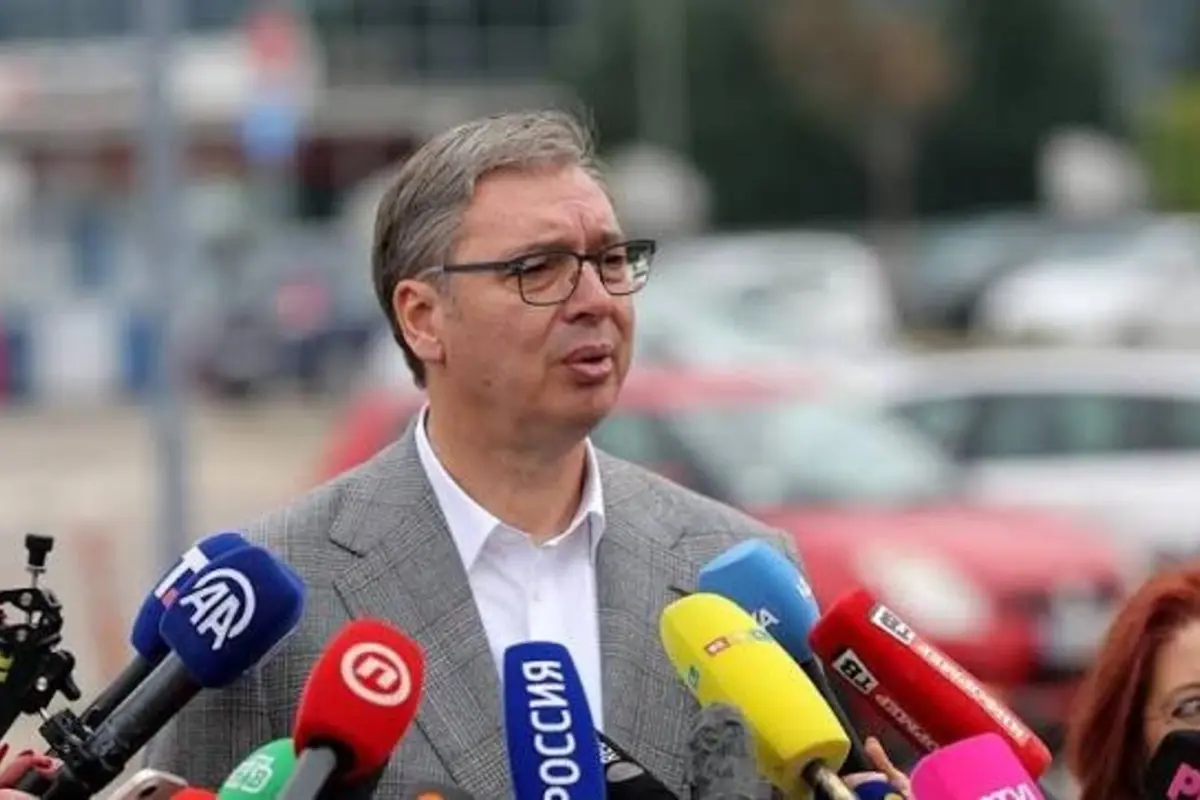
Vucic acknowledged the defeat, saying, “It is clear we have lost these elections.”
The reported outcome represents a significant moment in Serbian politics, demonstrating how a protest movement that emerged from public anger over a national tragedy developed into a major electoral challenge.
Novi Sad Railway Disaster Sparked Nationwide Protests
The student movement emerged following the collapse of a concrete canopy outside the railway station in Novi Sad, Serbia’s second-largest city. The disaster killed 16 people and triggered widespread anger over public infrastructure safety, government accountability and alleged corruption.
Students organised demonstrations demanding transparency and accountability from officials responsible for the disaster. Their campaign gained support from citizens who questioned whether authorities had adequately addressed concerns about construction standards, oversight and public safety.
What began as a response to a specific tragedy gradually developed into a broader political movement.
Protesters called for greater institutional accountability and changes to the way public affairs were managed. Demonstrations spread beyond university campuses, attracting people from different professional and social backgrounds.
The movement’s expansion reflected how public frustration over a single incident can develop into a wider challenge when citizens believe their concerns have not been adequately addressed.
How Students Turned Protests Into Electoral Support
Rather than limiting their activities to street demonstrations, student organisers expanded their campaign into electoral politics. They brought together candidates representing different sections of Serbian society, seeking to translate public support for accountability into parliamentary representation.
The strategy offered voters an alternative to established political parties and allowed the movement to focus its campaign on transparency, public institutions and government responsibility.
The Serbia election results suggest that the movement’s approach resonated with a substantial number of voters. Its reported 52.6% share placed it ahead of the SNS, which had dominated Serbian politics under Vucic’s leadership.
However, the movement’s success also raises questions about how it will operate beyond the campaign. Bringing together people from different backgrounds can help build a broad coalition, but governing requires agreement on policy priorities, leadership arrangements and legislative decisions.
The movement will need to demonstrate that it can convert electoral support into practical measures addressing the concerns that originally brought protesters into the streets.
Vucic Concedes Defeat After Years of Political Dominance
Aleksandar Vucic has been one of Serbia’s most influential political figures for years. A prominent right-wing populist, he served two terms as president and remained a central figure in the SNS’s political strategy.
Because he could not seek a third presidential term, Vucic called snap parliamentary elections and led his party’s campaign in an effort to return to the premiership, a position he left in 2017.
The reported defeat represents a setback for his political ambitions and raises questions about the future direction of the SNS.
His concession also marked an important moment in the election process, as the party faced the prospect of losing its established position in parliament.
Nevertheless, the longer-term implications will depend on the final certified results, the distribution of parliamentary seats and the process of forming a government.
Celebrations Erupt Across Serbian Cities
Celebrations reportedly took place in Belgrade, Novi Sad and other cities after the results were announced. Supporters took to the streets to mark what they viewed as a victory for the movement that had grown out of the student protests.
For many participants, the result represented more than a change in parliamentary representation. It reflected their efforts to turn demands for accountability into electoral action.
The outcome also highlighted the role younger citizens can play in shaping national politics when organised movements gain support beyond their original base.
At the same time, electoral victories bring new responsibilities. The movement will face expectations to maintain public trust, establish clear priorities and respond to the concerns that helped it win support.
What Happens Next for Serbia?
The reported result could reshape Serbia’s political landscape, but the next stage will be crucial. Final election certification, parliamentary arrangements and government formation will determine how the result translates into political power.
The student-led movement will also face the challenge of addressing demands for institutional accountability while managing the practical responsibilities of government.
For the SNS, the defeat may prompt internal discussions about leadership, strategy and its future political direction.
The significance of the Serbia election will depend not only on the reported victory but also on what follows. The movement’s ability to strengthen public institutions, address corruption concerns and deliver meaningful reforms will shape whether its electoral success leads to lasting political change.