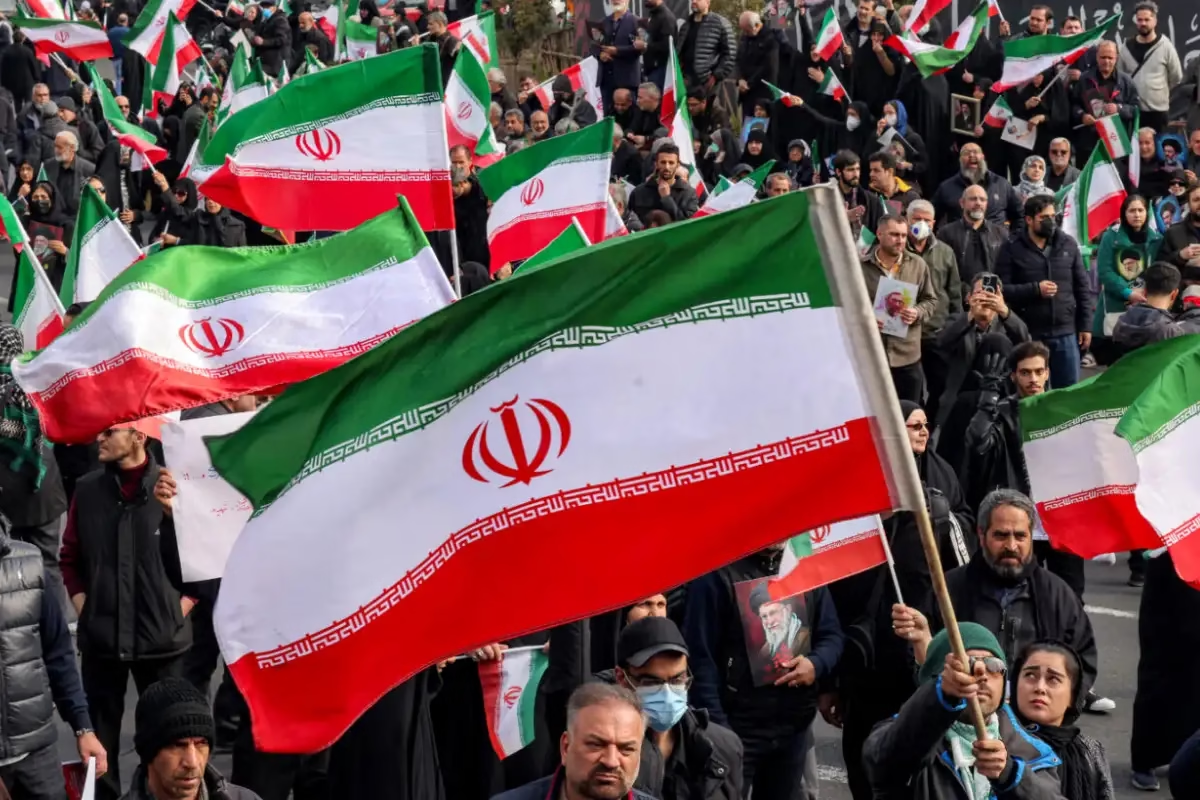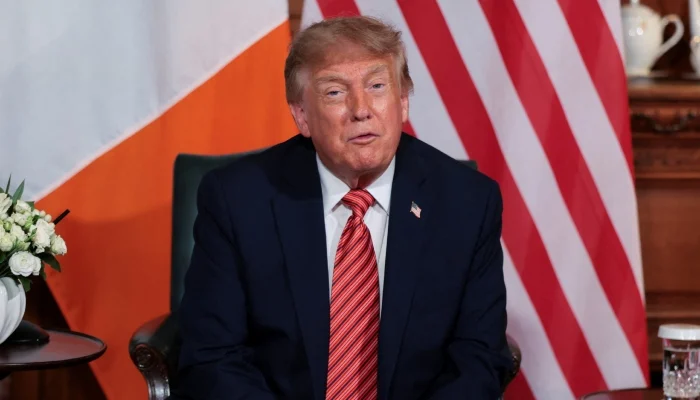
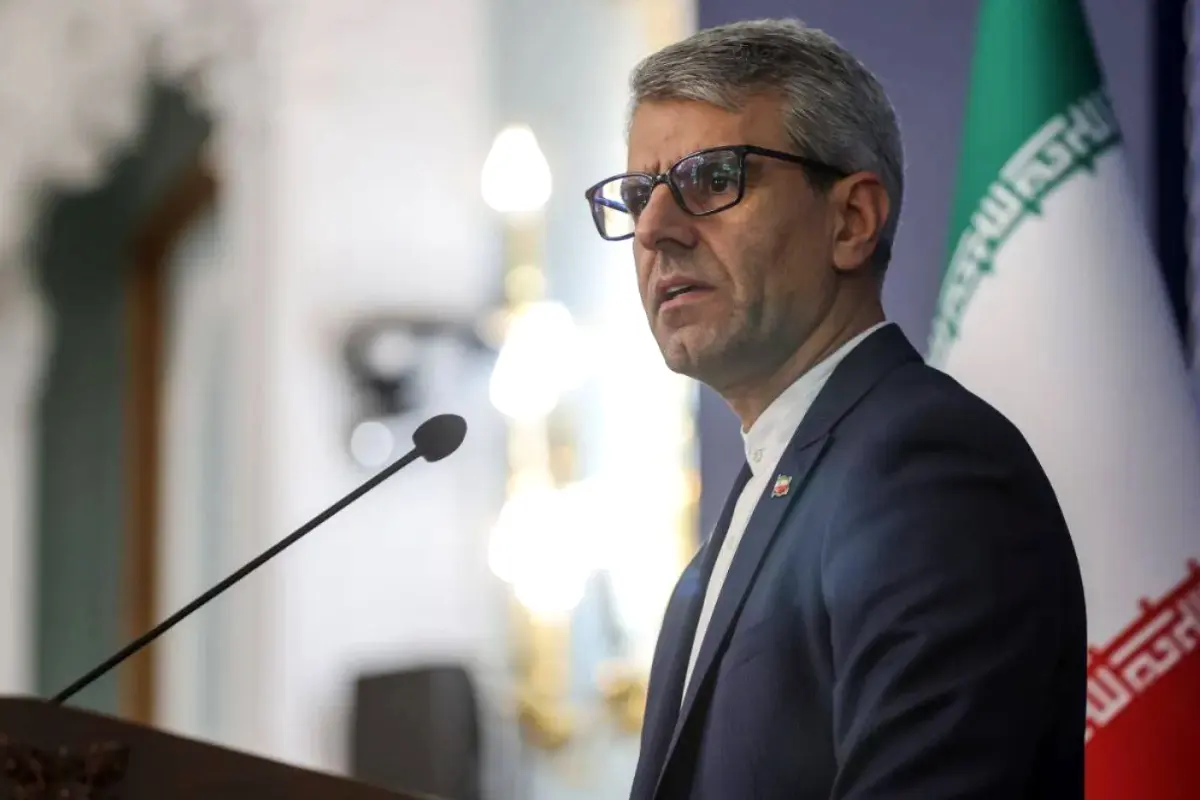
Iran has criticised the phrase “Iran conflict,” arguing that the Iran conflict terminology used in public discussion can obscure responsibility for the military hostilities involving Iran, the United States and Israel. Iranian Foreign Ministry spokesman Esmaeil Baghaei says the wording places too much emphasis on Iran while failing to identify the parties Tehran accuses of initiating military action.
In a statement shared on social media, Baghaei described the US and Israeli military campaign against Iran as an unlawful war of aggression. He argued that the language used to describe the fighting matters because it can influence how audiences understand the events, identify responsibility and assess the positions of the countries involved.
His remarks highlight a wider debate about political language, media reporting and the way international conflicts are presented to the public.
Why Tehran Objects to the Phrase
Baghaei’s main objection is that describing the situation simply as the “Iran conflict” may suggest that Iran is the central source of the violence rather than a country facing military attacks.
According to the spokesman, such wording does not adequately distinguish between the parties involved or explain the sequence of events that led to the hostilities. He maintains that a description which leaves responsibility unclear can create a misleading impression, even when it appears neutral.
Baghaei also rejected the idea that avoiding explicit references to responsibility is necessarily impartial. He characterised such language as a form of moral evasion, arguing that descriptions of a war should not remove accountability from those accused of initiating military action.
The dispute over Iran conflict terminology therefore concerns more than the choice of a headline or a short phrase. It reflects a broader disagreement over how the conflict should be interpreted and presented internationally.
However, Baghaei’s comments represent the Iranian government’s position. His characterisation of the military campaign as unlawful aggression should not be treated as an independent legal determination.
Language and Responsibility in International Conflicts
The words used to describe a war can shape public understanding in several ways. Different labels may draw attention to particular countries, military operations or political disputes while leaving other aspects of an event less visible.
For example, a geographical label may provide a convenient way to identify a conflict, but it may not explain who launched an attack, what events preceded it or how the parties justify their actions.
This is why terminology can become a subject of diplomatic disagreement. Governments may object to descriptions that they believe minimise their suffering, overlook the actions of their opponents or imply a level of responsibility they reject.
The debate surrounding Iran conflict terminology illustrates this challenge. Tehran wants descriptions that explicitly identify what it considers aggression by Washington and Israel. Other observers may use broader labels to refer to the geographical location or the overall confrontation without necessarily intending to assign blame.
The meaning and implications of a phrase therefore depend partly on its context. A short label may identify the subject of a news report, but it cannot replace a detailed account of the events and evidence behind the conflict.
Iran’s Broader Diplomatic Position
Baghaei’s criticism is consistent with Tehran’s wider diplomatic effort to present the US and Israeli military campaign as an act of aggression against Iran. The Iranian government has opposed descriptions that, in its view, place responsibility on the country facing attacks without adequately explaining the circumstances.
The spokesman also warned against what he described as appeasement of aggressors. He argued that lasting peace could not be secured by legitimising military aggression or abandoning fundamental principles.
These remarks suggest that Iran considers the language used in international reporting and diplomacy part of the wider struggle over the legitimacy of the war.
For Tehran, the terminology matters because it can affect how other governments, international institutions and the public interpret the conflict. It can also influence diplomatic discussions about accountability, negotiations and the conditions required for a lasting settlement.
Nevertheless, the competing positions of the parties involved must be distinguished from independently established facts. Determining legal responsibility for the initiation or conduct of military action requires evidence and an assessment under applicable international law.
Implications for Media Reporting
The disagreement also raises questions for journalists and news organisations covering international conflicts. Media outlets must balance concise reporting with the need to explain events accurately and avoid presenting a government’s claims as established conclusions.
A geographical label can be useful for identifying a conflict, but reporting should provide additional context where responsibility for specific military actions is disputed.
Journalists can make this distinction by attributing allegations to the officials who make them, describing verified events clearly and explaining where accounts from the parties differ.
This approach helps readers understand both the political positions involved and the limits of what has been independently established.
Esmaeil Baghaei’s criticism of the phrase “Iran conflict” highlights the importance of language in shaping perceptions of international warfare. Iran argues that the expression fails to identify responsibility for military action and risks presenting the country as the aggressor.
The debate over Iran conflict terminology reflects competing political narratives about the war involving Iran, the United States and Israel. While Tehran wants language that explicitly assigns responsibility to Washington and Israel, a balanced assessment requires careful attribution, reliable evidence and independent legal analysis.
Describing a conflict accurately involves more than selecting a label. It requires explaining the events, distinguishing allegations from established facts and giving readers enough context to understand the competing claims.