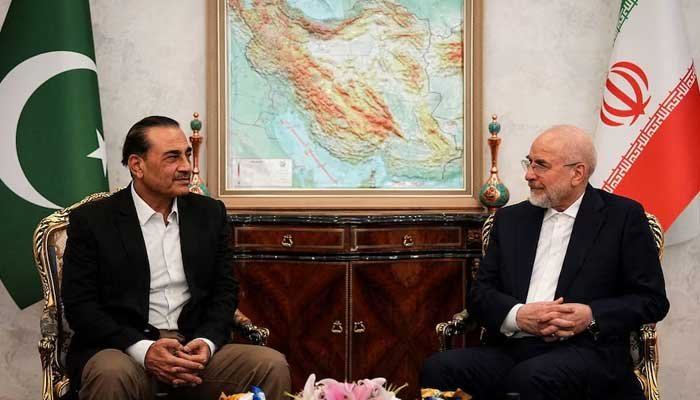
Field Marshal Syed Asim Munir’s Tehran visit comes at a critical moment as Pakistan intensifies efforts to facilitate dialogue between the United States and Iran. According to Reuters, citing a Pakistani official and Iranian media, Pakistan’s Chief of Defence Forces and Chief of Army Staff was scheduled to visit Tehran on Tuesday to discuss regional developments and efforts to prevent further escalation.
Pakistan has played an important mediating role in attempts to bring Washington and Tehran closer to negotiations. The latest diplomatic engagement comes as talks remain stalled, disagreements persist over the conditions for resuming dialogue, and tensions continue to threaten stability across the Middle East.
Pakistan Continues Its Mediation Efforts
Pakistan has sought to encourage communication between the United States and Iran since the conflict began with US and Israeli strikes on Iran in February, according to the report. Islamabad’s involvement reflects its interest in reducing regional tensions and preventing the confrontation from spreading further.
The Asim Munir Tehran visit follows earlier discussions between Pakistani and Iranian leaders during the summer. Those talks reportedly focused on preventing further escalation, reopening the strategically important Strait of Hormuz and bringing the conflict to an end as quickly as possible.
Pakistan’s diplomatic role is significant because prolonged hostilities could affect regional security, international trade and energy supplies. The Strait of Hormuz is a major route for global oil shipments, making its reopening and continued accessibility important to energy markets and economies worldwide.
By maintaining contact with Tehran and Washington, Islamabad hopes to help create conditions in which both sides can resume negotiations. However, progress will depend on whether the two governments can reconcile their competing demands.
Mohsin Naqvi Says Peace Requires Patience
Interior Minister Mohsin Naqvi has stressed that achieving peace between the United States and Iran requires patience, trust and sustained diplomatic engagement.
Speaking at the Global Security Forum in Doha on Monday, Naqvi said Pakistan had made every possible effort to bring the two countries to the negotiating table. He acknowledged that there had been moments when tensions rose sharply but maintained that Islamabad had continued pursuing dialogue.
Naqvi emphasised that lasting peace cannot be achieved through a single meeting. His remarks underline the complexity of negotiations involving military security, economic restrictions and competing strategic interests.
Pakistan has also worked with Qatar on diplomatic efforts aimed at preventing further escalation. Naqvi praised Doha’s role in facilitating communication between Washington and Tehran, highlighting cooperation between the two countries in support of regional stability.
The involvement of multiple regional governments may provide additional channels for communication. Nevertheless, mediation can succeed only if the main parties are willing to engage seriously and consider compromises.
Iran’s Strait of Hormuz Proposal Remains on the Table
Iranian Foreign Minister Abbas Araghchi said on Sunday that Tehran’s proposal to reopen the Strait of Hormuz within seven days remained available. However, he indicated that progress depended on Washington’s response to Iran’s conditions.
Iran’s demands reportedly include lifting the US blockade on its ports, easing sanctions on its oil exports and ending hostilities across regional fronts. These conditions reflect Tehran’s focus on economic pressure and the broader scope of the conflict.
The United States, meanwhile, wants Iran’s nuclear programme to be addressed as a priority. This difference in negotiating priorities remains a major obstacle to restarting formal discussions.
The disagreement illustrates why diplomatic progress has been difficult. While Iran is seeking changes to sanctions and military restrictions, Washington is prioritising concerns about nuclear activities. Any agreement would likely require both sides to address these issues through a negotiated framework.
Regional Tensions Add to Diplomatic Challenges
The planned visit also comes amid wider instability in the Middle East. Yemen’s internationally recognised government forces continue fighting Houthi rebels, who have been targeting Saudi Arabia, adding another dimension to regional security concerns.
Further escalation could threaten civilian infrastructure, disrupt shipping and increase uncertainty across energy markets. These risks give regional governments a strong incentive to support diplomatic solutions, even when negotiations encounter setbacks.
Pakistan’s engagement with Iran, the United States and Qatar demonstrates its effort to maintain communication across different diplomatic channels. Whether these efforts produce a breakthrough remains uncertain, particularly while both Washington and Tehran remain divided over the terms of renewed talks.
The Asim Munir Tehran visit highlights Pakistan’s continuing attempt to support peace between the United States and Iran at a time of heightened regional tensions. Discussions over the Strait of Hormuz, sanctions, Iran’s nuclear programme and the future of the conflict remain central to the diplomatic challenge.
Although no immediate breakthrough is guaranteed, continued engagement by Pakistan and regional partners could help keep negotiations possible. A lasting settlement will ultimately depend on sustained dialogue, mutual trust and the willingness of both sides to address their differences through diplomacy.