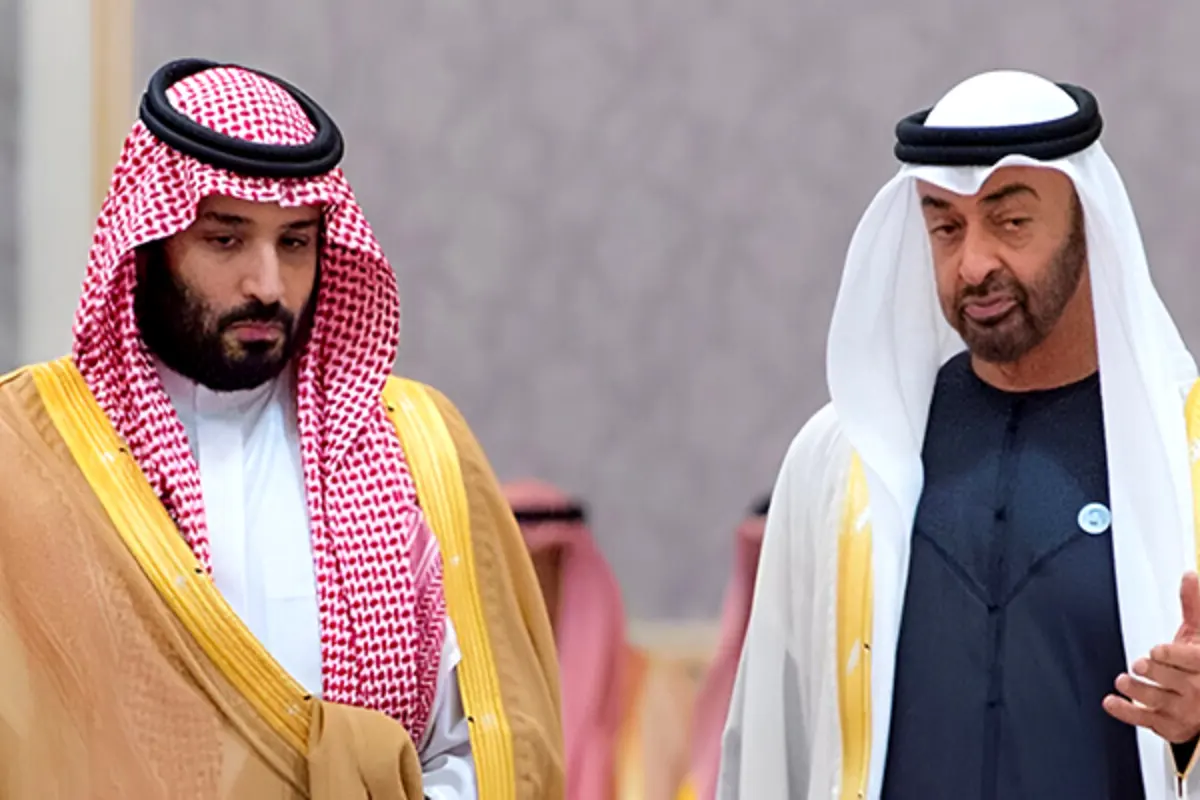
Saudi Arabia and UAE cooperation has taken on renewed importance as Gulf countries seek a coordinated response to regional security threats following attacks attributed to the Houthi militia. Saudi Foreign Minister Prince Faisal bin Farhan and UAE Foreign Minister Sheikh Abdullah bin Zayed Al Nahyan discussed the regional situation during a telephone conversation, condemning attacks targeting civilian infrastructure and calling for diplomatic efforts to prevent further escalation.
The discussions reflect growing concerns about the potential consequences of continued hostilities across the Gulf. Regional governments are increasingly focused on protecting civilians, safeguarding critical infrastructure and maintaining stability amid the threat of a wider conflict.
Saudi Arabia and UAE Condemn Attacks
During their telephone conversation, the Saudi and Emirati foreign ministers reviewed developments affecting regional security. Both sides condemned attacks targeting civilian infrastructure in Saudi Arabia and emphasised the need for closer coordination to address emerging threats.
The call highlights the importance of communication between Riyadh and Abu Dhabi, two influential Gulf capitals with shared interests in regional stability. Their cooperation can help align diplomatic positions, improve the exchange of information and support efforts to prevent further deterioration in the security situation.
Concerns have intensified following reports of attacks involving Saudi airports, energy facilities and civilian areas. Such incidents can threaten public safety and disrupt essential services, while also raising concerns about the security of infrastructure that supports regional economies.
Although diplomatic coordination can strengthen a common response, the risk of further attacks remains a significant challenge. Governments must balance security measures with efforts to prevent retaliatory actions from triggering a broader confrontation.
GCC Countries Reaffirm Joint Defence
The Gulf Cooperation Council (GCC) has also reaffirmed solidarity among its member states and emphasised the importance of joint defence. The regional organisation brings together Saudi Arabia, the United Arab Emirates, Kuwait, Qatar, Bahrain and Oman.
Cooperation among these countries is particularly important because security threats can cross national borders. An attack on one Gulf state may affect neighbouring countries through disrupted transport networks, heightened military tensions or uncertainty in regional energy markets.
Stronger coordination can help governments share assessments, improve preparedness and communicate more effectively during security emergencies. It can also reinforce diplomatic efforts aimed at discouraging further attacks and protecting civilian infrastructure.
However, the six GCC members may have different diplomatic approaches to particular regional disputes. Maintaining a common position therefore requires ongoing consultation and agreement on practical measures that support collective security.
The renewed emphasis on solidarity signals that Gulf governments view regional stability as a shared responsibility rather than an issue that can be addressed by individual countries alone.
Saudi Arabia and Türkiye Discuss Regional Developments
Saudi Arabia has also engaged Türkiye in discussions about the evolving regional situation. The two countries’ foreign ministers reviewed security concerns and the importance of continued coordination to support stability across the Middle East.
These diplomatic contacts indicate that efforts to contain regional tensions extend beyond the Gulf Cooperation Council. Engagement with other influential regional powers can help broaden diplomatic communication and create opportunities for cooperation on shared security concerns.
Türkiye’s involvement in regional discussions is significant because developments in the Middle East can affect trade, transportation, energy security and wider diplomatic relations. Continued dialogue between Ankara and Riyadh may contribute to efforts to reduce tensions, although the effectiveness of such engagement will depend on the positions adopted by the parties involved.
Protecting Energy Supplies and Civilian Infrastructure
The latest diplomatic efforts come as Gulf governments remain concerned about the potential economic consequences of further escalation. Energy facilities, airports, ports and commercial transport routes are essential to regional economic activity.
Damage to these facilities could disrupt supply chains, increase operating costs and create uncertainty for businesses and international markets. Threats to shipping routes may also affect the movement of goods and energy resources beyond the Middle East.
Saudi Arabia and UAE cooperation can contribute to a more coordinated approach to these challenges by strengthening diplomatic engagement and supporting regional security discussions. Nevertheless, cooperation between the two countries alone cannot eliminate the risks associated with a wider conflict.
Long-term stability will require sustained communication, measures to protect civilians and meaningful efforts to address the sources of regional tensions.
Saudi Arabia and UAE cooperation is an important part of the Gulf’s response to growing security concerns following attacks attributed to the Houthi militia. Their latest diplomatic contact, alongside GCC solidarity and discussions with Türkiye, demonstrates a wider effort to strengthen coordination and prevent further instability.
The challenge now is to translate diplomatic statements into practical steps that protect civilian infrastructure, safeguard energy supplies and reduce the risk of escalation. Whether these efforts succeed will depend on developments on the ground and the willingness of regional actors to pursue restraint and dialogue.