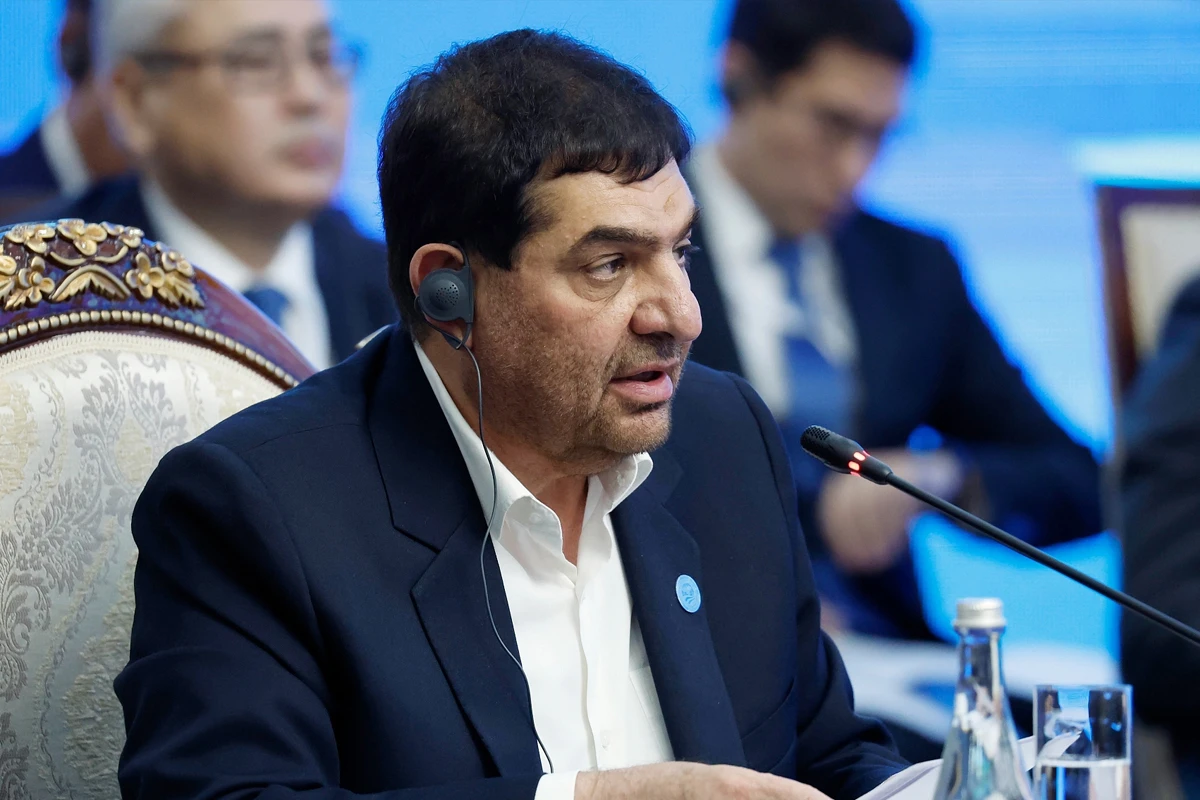
Mohammad Mokhber, an adviser to Iran’s Supreme Leader, has warned that renewed fighting could trigger a wider regional war, drawing additional countries into an already dangerous confrontation. He argued that the financial and military costs of the conflict have undermined the expectations of Iran’s adversaries, while stressing that further escalation could threaten regional stability and complicate diplomatic efforts.
Mokhber’s remarks reflect Tehran’s position that its response to the conflict has prevented the United States and Israel from achieving their intended objectives. His warning comes as uncertainty continues over the war’s future and the possibility of reaching a lasting settlement.
Iran Claims Adversaries Misjudged the Conflict
According to Mokhber, the United States, European countries and NATO expected the conflict to conclude within three to four days. He maintained that Iran’s opponents had failed to accomplish even 10 per cent of their objectives, presenting the country’s defensive response as a significant obstacle to their military plans.
These figures and assessments represent Mokhber’s account of the conflict and should not be treated as independently verified conclusions. Different parties involved in the confrontation have offered competing interpretations of military developments, strategic goals and the overall costs of the war.
Iranian officials have repeatedly described their country’s response as evidence that foreign powers underestimated its defensive capabilities. Such statements also serve a political purpose, reinforcing the government’s message that Iran can withstand external pressure despite the challenges created by prolonged hostilities.
The disagreement over the war’s progress illustrates how military confrontations are often accompanied by competing narratives. Governments seek to demonstrate strength to domestic audiences while influencing international perceptions of the conflict.
Warning of a Wider Regional War
One of the central points in Mokhber’s statement was the danger of renewed fighting. He warned that another round of hostilities could extend beyond the current confrontation and involve additional countries, increasing the risk of a broader regional war.
Such an escalation could have consequences far beyond the countries directly involved. The Middle East occupies a critical position in global energy markets and international shipping networks. Disruptions to oil and gas infrastructure, commercial ports or major maritime routes could affect energy supplies, transportation costs and international trade.
Civilian populations would also face increased risks if the conflict spread. Expanding military operations could damage essential infrastructure, disrupt public services and increase pressure on communities already affected by insecurity.
A wider confrontation could make diplomatic negotiations more difficult, particularly if additional governments became directly involved. As the number of participants grows, reaching agreements on security arrangements, ceasefires and political objectives may become more complicated.
Mokhber’s warning therefore highlights the importance of preventing further escalation, even as the parties continue to disagree over the conflict’s causes, progress and intended outcomes.
Mokhber Cites US Public Opposition
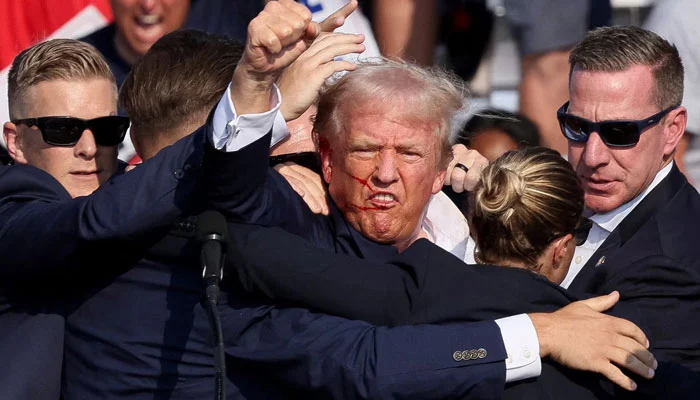
Mokhber also referred to public opinion in the United States, claiming that 70 per cent of Americans opposed the war and that President Donald Trump’s popularity had declined significantly.
These claims were included in his remarks and have not been independently verified in the information available for this report. Reliable polling, including details about when surveys were conducted and how questions were phrased, would be necessary to assess the accuracy of the figures.
Public opinion can influence how governments approach overseas military operations. Concerns about casualties, spending, economic uncertainty and the possibility of a prolonged conflict can increase pressure on political leaders to explain their objectives and consider diplomatic alternatives.
However, public attitudes alone do not determine foreign policy. Decisions also depend on security assessments, strategic partnerships, domestic political considerations and developments on the ground.
Diplomatic Efforts Face Continued Uncertainty
The exchange of statements demonstrates the continuing political struggle over how the conflict is understood internationally. Iran presents its response as a setback for its adversaries, while Washington and its partners have their own assessments of military objectives and outcomes.
Despite the strong rhetoric, the future direction of the confrontation remains uncertain. A reduction in tensions would require decisions by the parties involved and meaningful efforts to prevent another cycle of attacks and retaliation.
Diplomatic channels could provide a way to address immediate security concerns, reduce the risk of miscalculation and establish conditions for a more durable settlement. However, negotiations may face significant obstacles if mistrust deepens or military operations resume.
Mokhber warns of wider regional war at a time when renewed hostilities could carry serious security, economic and humanitarian consequences. His remarks challenge the assessments of Iran’s adversaries while drawing attention to the potential costs of further escalation.
Although his claims about military objectives and American public opinion require independent verification, the underlying concern remains significant: an expanded conflict could affect countries well beyond the current confrontation. Preventing that outcome will depend on restraint, credible diplomacy and efforts to avoid further deterioration in regional security.