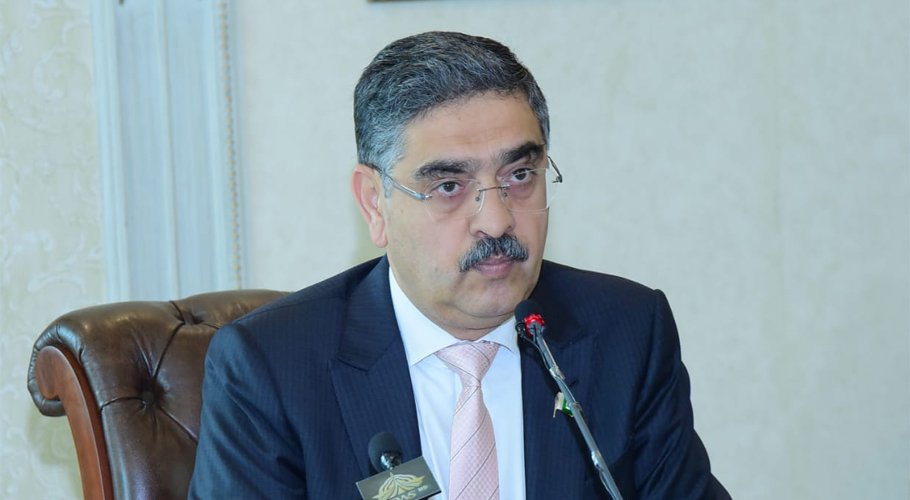
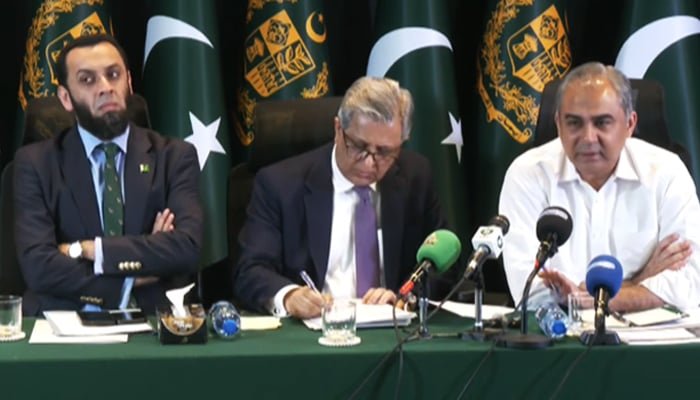
Interior Minister Mohsin Naqvi has defended the imposition of a KP emergency, saying the federal government had to make a difficult decision amid growing security concerns and repeated terrorist attacks in Khyber Pakhtunkhwa. Speaking at a press conference in Islamabad on Sunday, Naqvi said the government had attempted for more than a month to secure the cooperation of the Pakistan Tehreek-e-Insaf (PTI)-led provincial administration before proceeding with the move.
We had two options: either we witness martyrdoms on a daily basis or take a difficult decision, Naqvi said, explaining the federal government’s position.
The announcement followed the federal government’s decision to impose emergency and governor’s rule in the province, transferring key administrative powers to the governor under Articles 232 and 234 of the Constitution. The move has intensified tensions between the federal government and PTI, which governs Khyber Pakhtunkhwa.
Naqvi Says Terrorism Was the Main Concern
Naqvi maintained that the decision was driven by security concerns rather than the PTI’s political activities or its planned sit-in. He said the federal government had no difficulty dealing with protests but considered terrorism the province’s most urgent challenge.
According to the interior minister, he remained in contact with provincial representatives behind the scenes in an effort to develop a joint strategy against militant violence. He said discussions continued until approximately 11:45pm, with the federal government seeking a response from the provincial side on proposed changes to a draft agreement.
Naqvi claimed the draft had been revised several times at the PTI’s request, including a fourth revision, but the provincial side ultimately withdrew from the proposed arrangement.
He also said Prime Minister Shehbaz Sharif met Jamiat Ulema-e-Islam-Fazl chief Maulana Fazlur Rehman as part of efforts to reach an understanding. However, according to Naqvi, the government did not receive the response it had been seeking.
The minister added that he had held several meetings with KP Chief Minister Sohail Afridi. He said those discussions focused on counterterrorism and did not involve political issues.
Federal Government Cites 196% Rise in Terrorism
Law Minister Azam Nazeer Tarar described the security situation as a major reason behind the KP emergency, claiming that terrorist incidents in the province had increased by 196%.
Tarar called the reported rise alarming and accused the provincial government of failing to give public safety sufficient priority. He also said the KP governor had conveyed serious concerns about developments in the province to the federal authorities.
The 196% figure was presented by the minister during the press conference. It should be understood as the government’s stated assessment, rather than an independently verified statistic within the announcement itself. citeturn866379search1
Tarar said the federal cabinet had considered the circumstances before approving the measure. He maintained that the president acted under the constitutional provisions governing emergency powers and the administration of a province when its government is deemed unable to function in accordance with the Constitution.
Under the new arrangement, the governor will oversee provincial affairs with the assistance of an 11-member advisory council. A separate secretariat has also been established to administer 12 districts identified by the federal government as particularly affected by terrorism. citeturn866379search0turn866379search2
Advisory Council to Assist Provincial Administration
Information Minister Attaullah Tarar announced the names of the 11 members selected for the advisory council. The group includes technocrats and professionals assigned responsibilities across several departments.
Among the members are retired Lieutenant General Nigar Johar, Kifayatullah Khan, Tariq Mahmood Pasha, Aamir Javed, Dr Aamir Abdullah, Dr Sarfaraz Ali Shah, Dr Muhammad Irshad, Asif Rafiq Afridi, Tayyab Qureshi, Usman Saifullah Khan and Samar Haroon Bilour.
The federal government says the council will assist the governor in managing provincial affairs during the emergency arrangement. The move places the province’s administration under a different structure at a time of heightened security and political uncertainty.
Political Tensions Deepen Between Centre and PTI
Attaullah Tarar also accused the former provincial administration of having links with terrorist groups and alleged that it had effectively surrendered control of certain districts to militants. He claimed the government possessed evidence supporting its allegations.
These statements remain allegations made by the federal minister and should not be treated as independently established findings.
The PTI and the federal government have been at odds over security policy, provincial authority and political protests. PTI has criticised the imposition of emergency rule, describing it as an attack on its elected provincial government. The party has also argued that political and administrative pressure cannot replace an effective counterterrorism strategy. citeturn866379news25turn866379news24
The dispute raises questions about how security responsibilities should be shared between the federation and the provinces, particularly in areas facing persistent militant threats.
Security and Constitutional Questions Ahead
The federal government maintains that the KP emergency is necessary to improve coordination and address the worsening security situation. Naqvi has insisted that counterterrorism, rather than political rivalry, is the central issue behind the decision.
However, the measure has significant implications for provincial governance and the relationship between elected administrations and federal authorities. Its effectiveness will ultimately depend on whether the new administrative arrangement improves security, protects civilians and strengthens the capacity of law enforcement agencies.
As the situation develops, the government will face pressure to demonstrate that the emergency delivers measurable improvements rather than deepening political divisions. The challenge will be to address terrorism while ensuring that constitutional procedures, public accountability and the rights of citizens remain protected.